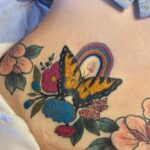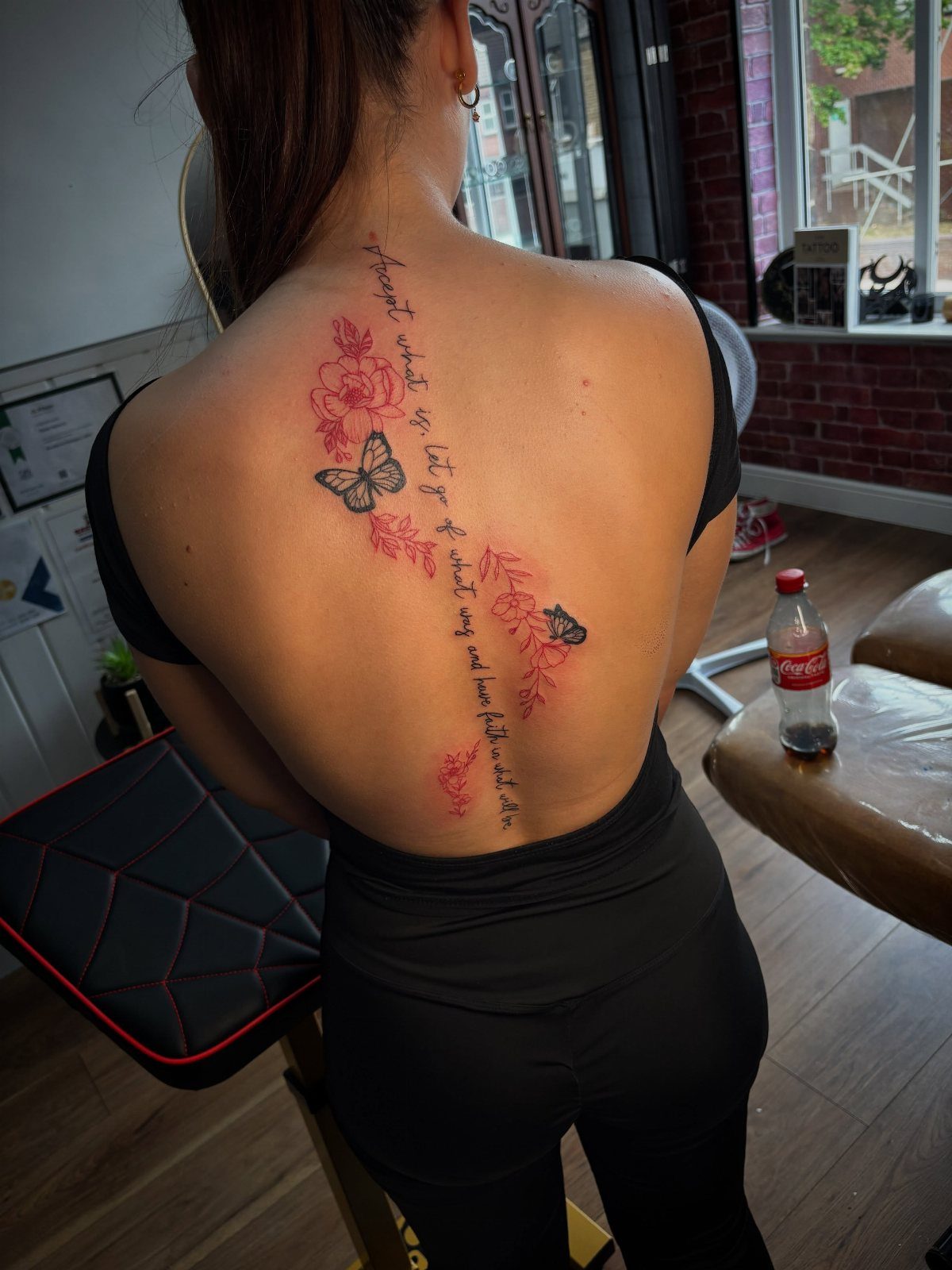
Back tattoos run from a $200 shoulder blade piece to thousands for a full back spanning shoulders to waist, and the list below covers the zones, the artists, the costs, and how to handle the pain.
Your pain tolerance and how much skin you want to commit decide which zone is yours: the flat shoulder blade for first-timers, the spine for those who have already tested their limits, the full back only for someone ready to book months of sessions, and the sections below walk through each choice plus what to budget and how to manage the pain.
The median hourly rate I see sits near $150, so budget and endurance both shape the choice as much as the design itself.
1. Shoulder Blade
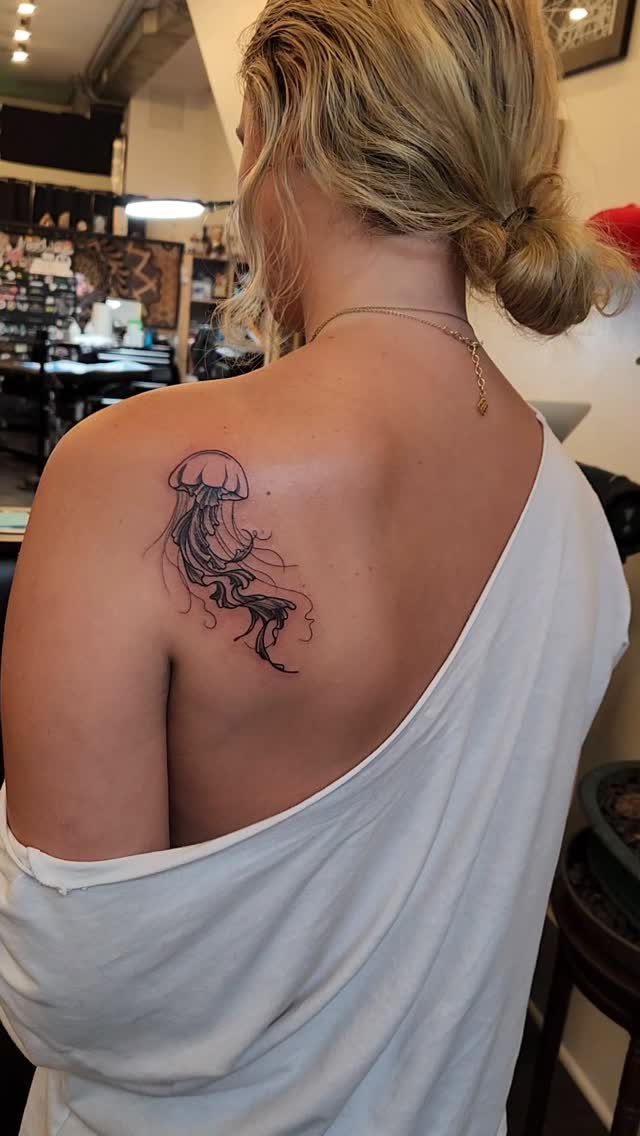
The shoulder blade sits flat and still, which means fine lines stay clean and small details do not blur over time.
I like this spot for a first back piece because the pain stays low to moderate, and a tank top or standard tee covers it completely when work requires.
Medium portraits, single flowers, or personal symbols all read clearly here. Larger designs that drape across both blades have become more common lately; angel wings or spreading florals work well if you want something bolder.
Keep the design within the flat plane of the blade itself. Once ink curves over onto the shoulder or too far toward the spine, the skin moves more and the lines age faster.

Upgraded Design, Easy to Use --- Tattoo aftercare balm comes in a tube,this container allows you to glide on the butter easily,Rolls on smoothly and evenly on your skin,No more mess or residue on your finger,convenient to use

🌿 VIBRANT COLOR & DEEP MOISTURE - Crafted with nutrient-rich a&d ointment, our balm deeply hydrates freshly inked skin. It supports your natural moisture barrier, keeping body art and microblading looking bold and beautifully vibrant.

TATTOO AFTERCARE ESSENTIAL: Hustle Butter is the original tattoo aftercare balm for new and older tattoos. With over 10 years in the market, we are a pioneer of the tattoo aftercare category.
2. Upper Back Tattoos
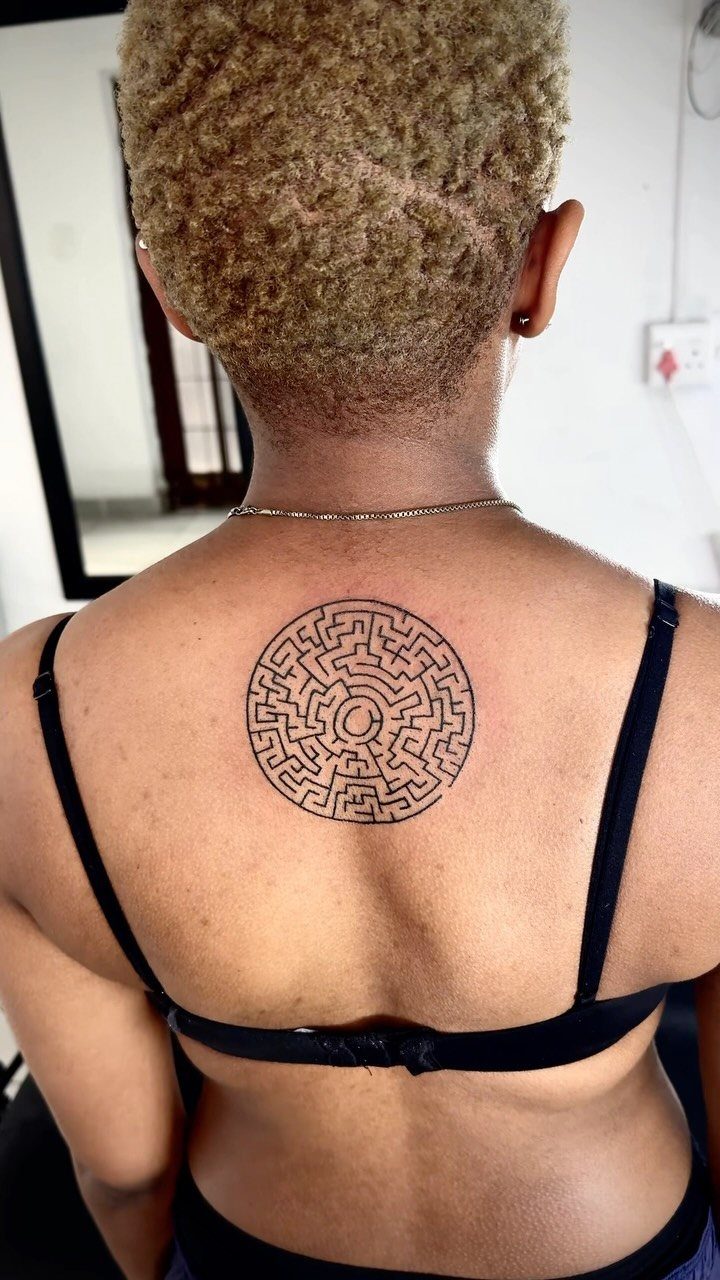
This is the natural home for anything symmetrical. The broad, even surface between your shoulder blades frames mandalas, wings, or bold script the way a wall frames a painting.
Pain stays low to moderate across most of the area, and everyday clothing hides it without thought.
I think of this placement when someone wants impact without constant visibility; the reveal happens on their terms, with a backless top or a swimsuit.
Designs that span shoulder to shoulder draw the eye to your frame rather than the ink itself, which flatters most builds. Animal portraits and geometric work both gain presence from the scale this spot allows.

Long-Lasting Relief, Maximum Comfort: This numbing cream delivers prolonged analgesic effects, quickly relieving itching, pain, burning sensations, and significantly reducing swelling. It effectively desensitizes the skin for a comfortable experience.

Numbing Effect Lasts Up to 8 Hours: Our tattoo numbing cream before tattoo is specially formulated to provide up to 8 hours of pain relief, itching, soreness, and burning while reducing tattoo swelling. With our cream, you can complete your tattoo session in one step, without the need to pause or slow down. it is numbing cream for tattoos extra strength.

FRAGRANCE FREE TATTOO AFTERCARE FOR SENSITIVE SKIN - The same #1 artist recommended Hustle Butter formula, now with no added fragrance, dyes, or parabens. The unscented tattoo lotion of choice for sensitive or easily irritated skin.
3. Full Back Tattoos
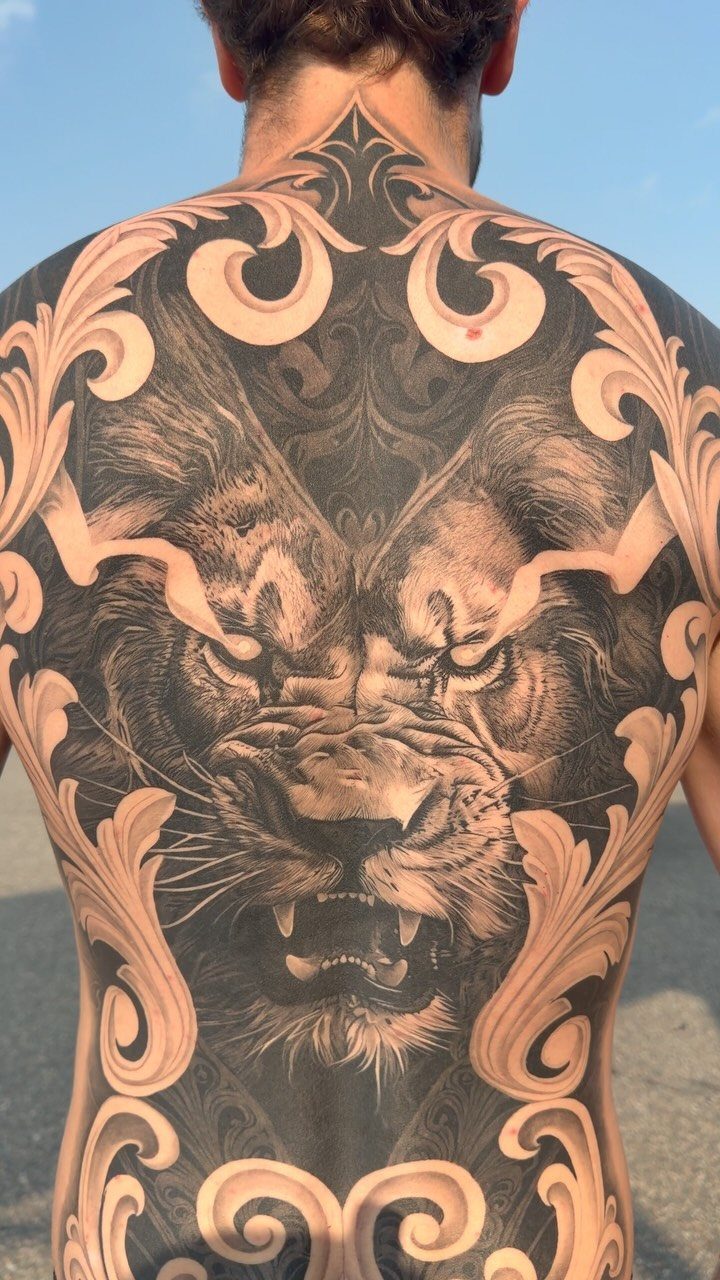
A full back piece is less a tattoo than a long-term project. The entire surface from shoulders to waist becomes one continuous canvas, which suits Japanese bodysuit traditions, mythological scenes, or biomechanical work that needs room to breathe.
The pain shifts across the territory.
Fleshy areas rate moderate; bone near the spine and hips pushes higher. Budget and endurance both matter here, since sessions stretch across months and the result is permanent in a way smaller work is not.
This is for the serious collector, not the weekend decision. A full back piece stays hidden under a shirt until you decide to pull it out, and that moment of showing it lands harder for the wait.

Phomemo Tattoo Transfer Paper Kit: Paper size: 8.27" 11.69" (210 297 mm). Quantity: 1 box (100 sheets). Color: Blue. This Tattoo Stencil Paper features a dotted line design, allowing for easy tearing without tools. Tear off the master design and yellow backing sheet effortlessly for a smooth tattooing experience. This product is suitable for tattoo enthusiasts, artists, and professional tattoo artists, offering reliability and consistency in tattoo stencil creation

4-layer Design: The 4-layer design ensures a crisp, clean transfer with sharp lines and fine details. Each layer has a specific function — such as holding the stencil ink, releasing it evenly, and protecting the tattoo paper during storage — which minimizes smudging, prevents distortion, and makes application easier on different skin surfaces.
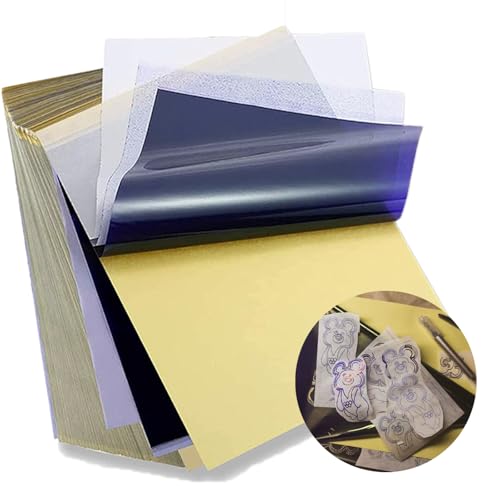
Standard size: Tattoo Transfer Paper is standard A4 paper size, each measures 8.27 in X 11.69 in. There are 4 levels in total. The thickness of the paper is very light and smooth to the touch.
4. Lower Back Tattoos
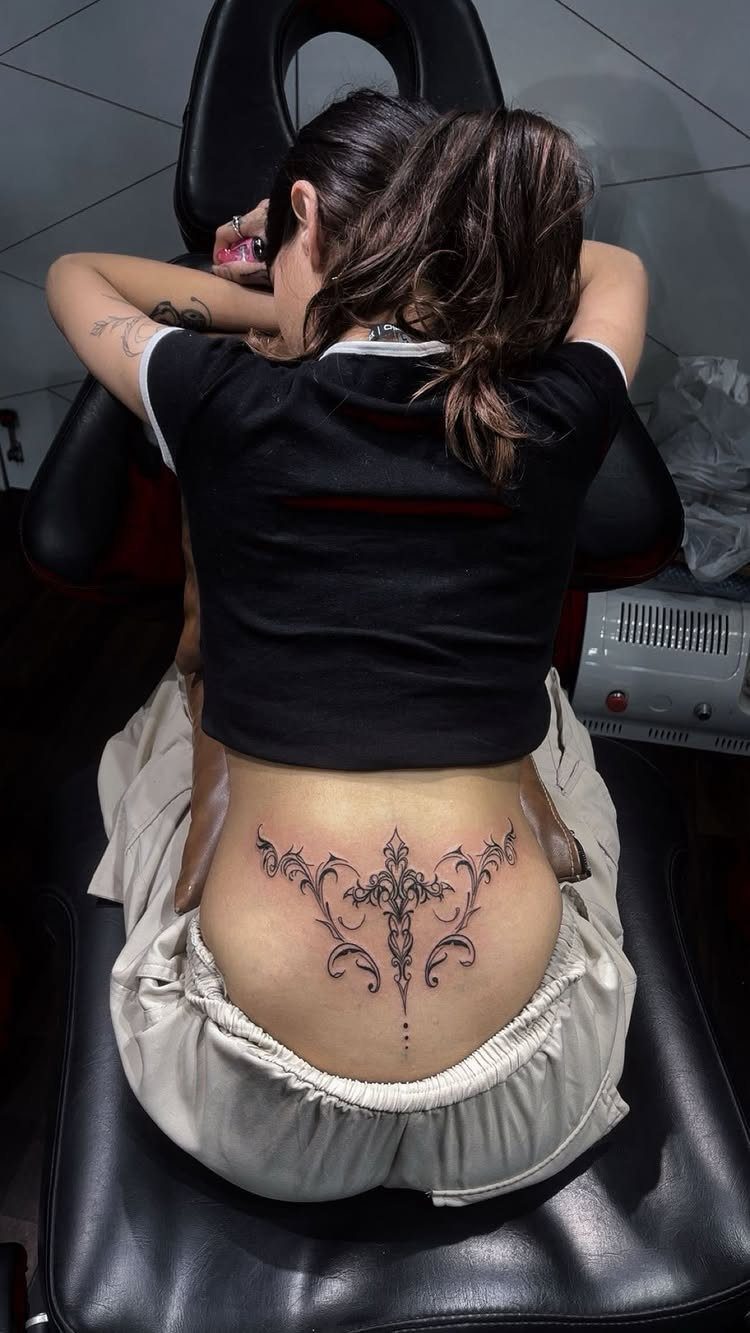
Horizontal designs flow naturally with the body’s curve here, which is why ornamental patterns and symmetrical florals settle in so well.
The spot has shaken off its old reputation and now reads as elegant rather than dated, at least when the design suits the shape.
Pain sits in the middle range here, not the worst spot on the body but not a walk either.
The skin sits close to bone in places, though nothing like the spine itself. Most clothing covers it; certain cuts of denim or swimwear draw attention to it instead.
Tribal work, blackwork, and watercolor all show up in this zone. I would avoid anything too vertical; the lower back rewards designs that spread wide and follow the horizontal axis.

✡Various Purpose - Care for all types of wounds; Waterproof cover; Fixed dressing; Tattoo aftercare. It can help lock in the color, protect your tattooed skin, and reduce scabbing when you wash or moisturize your tattoo, quickly form a protective film then accelerate your recovery
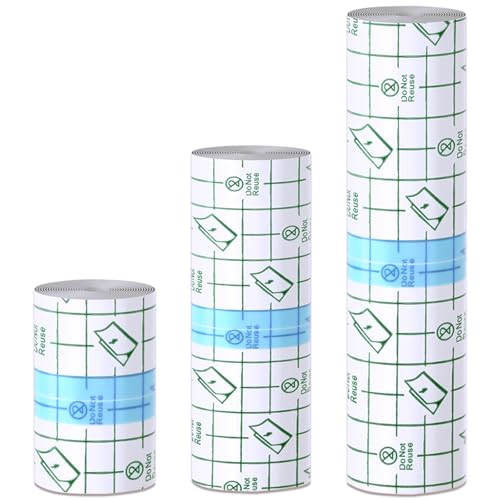
Triple-Size Value Pack for Every Tattoo Style - Get 3 full rolls of premium tattoo aftercare film (2" x 2.2 Yd, 4" x 2.2 Yd, 6" x 2.2 Yd) - sized for wrist art, back pieces, or sleeve designs. The tattoo aftercare bandage can be cut freely to match any ink!

What You Get - The tattoo aftercare bandage totall 4.4 yard (6" x 4.4 Yard), you will get tattoo aftercare bandage, the size is 6" x 4.4 Yard. You will the tattoo supplies is best combination of with guaranteed quality. According to the size of the tattoo area, the shape can be freely cut, and it is suitable for all kinds of large-area new tattoos
5. Spine Tattoos
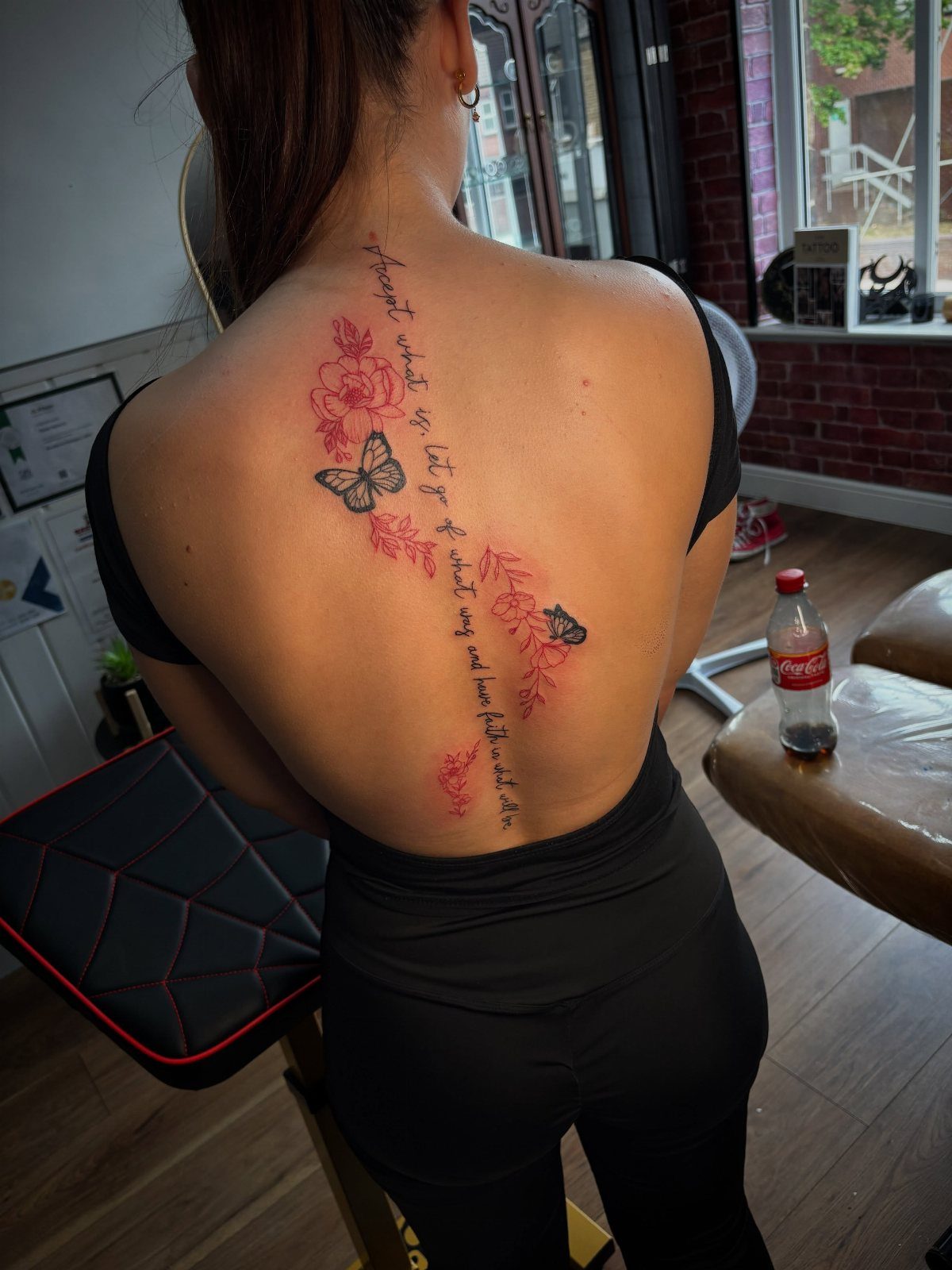
The spine collects more nerve traffic than anywhere else on the back, so the needle hits harder there than on the shoulder blades or the flat of the lower back.
The needle passes directly over bone with little padding, and the skin shifts with every breath, so the artist must work with precision and patience.
What you gain is drama.
A vertical line of script, a trailing vine, or geometric work draws the eye straight down the center of the body in a way no other placement matches. Quotes and chakra symbols both suit the linear format.
The spine conceals under any shirt and commands attention when the back is bare.
I would not start here; this is for someone who already knows their pain tolerance and has found an artist with steady line work in their portfolio.

MAXIMUM STRENGTH RELIEF — Provides temporary relief of minor aches and pains of muscles and joints associated with arthritis, simple backaches, strains, sprains and bruises; apply directly to the skin

Fast-acting 4% Lidocaine delivers targeted numbing relief right where you need it most

CLEAN INGREDIENTS FOR NEW TATTOOS - Our Soothing Gel skips the skin-suffocators and instead focuses on lightweight botanical oils like Sweet Almond and Argan which are naturally rich in fatty acids antioxidants to help nourish and offset environmental stressors that can further aggravate your ink.
6. Lower Back/Hips
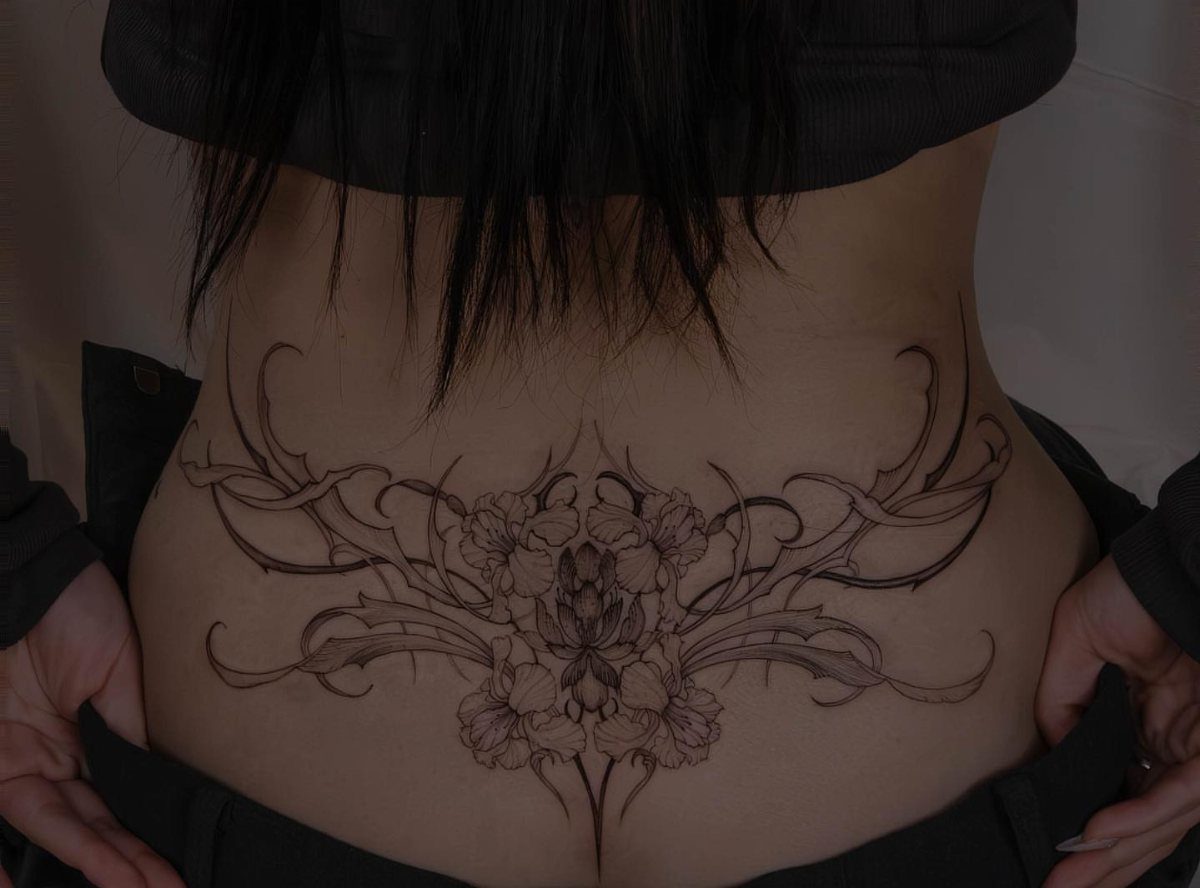
The cluster of nerves near the hip bones and tailbone makes this one of the sharper placements, though the visual result can justify it.
A symmetrical piece that spans from hip to hip, anchored at the lower back, follows the body’s architecture rather than fighting it.
Fine-line florals and scrollwork suit the scale, but the pain means you should plan shorter sessions and accept that the work may take longer than the same design on a softer area.
Before committing, I would ask the artist specifically about their experience with hip bone proximity; not every portfolio proves comfort with this territory.
Check whether your design needs to flex with sitting and standing, and adjust placement upward if the lower edge would distort across the tailbone.

COMPLETE AFTERCARE KIT FOR NEW & EXISTING TATTOOS: This Tattoo Aftercare Kit brings together 3 essentials, Antimicrobial Soap, Tattoo Balm, and Tattoo Lotion, to help cleanse, protect, and moisturize fresh ink. Useful after tattoo sessions and throughout healing, it supports vibrant color and skin comfort for dedicated ink enthusiasts and artists

FRAGRANCE FREE TATTOO AFTERCARE FOR SENSITIVE SKIN - The same #1 artist recommended Hustle Butter formula, now with no added fragrance, dyes, or parabens. The unscented tattoo lotion of choice for sensitive or easily irritated skin.
Honest, Accurate Care – This protective ointment comes in 50 hygienic single-serve packets for mess-free, on-the-go convenience. Easy to apply for tattoo protection anytime.
Choosing a Tattoo Artist
A back tattoo is not the place to test an artist’s first attempt at the style you want. The surface is large, the skin varies across it, and mistakes scale with the canvas.
I look for portfolios that show healed back pieces, not just fresh photos; skin settles differently over the shoulder blades than it does beside the spine, and an artist who has worked that territory knows where the line weight needs to change.
The consultation matters more for back work than for a forearm or ankle piece.
You will not see the area yourself without mirrors and flexibility, so the artist’s eye for how the design sits when you stand, sit, and move becomes your only check.
Ask them to mark the placement with a transfer and live with it for a day if you are unsure. A good artist expects this and builds it into their process.
Long-Lasting Relief, Maximum Comfort: This numbing cream delivers prolonged analgesic effects, quickly relieving itching, pain, burning sensations, and significantly reducing swelling. It effectively desensitizes the skin for a comfortable experience.


3-Tube Set:Includes three , suitable for keeping one at home and having additional tubes available when needed.
Tattoo Costs
A small back piece that fits inside one zone, upper or lower, starts around $200. That buys simple linework or limited color from a professional shop, not a bargain hunt.
The price climbs with size and with how crowded the design gets; a shoulder blade portrait with realistic shading runs higher than a single symbol in black ink.
Large work is priced by the hour, and the median rate I see sits near $150.
Top artists charge $500 or more, which turns a full back piece into thousands across many sessions. Some shops run closer to $80 for the smallest work, though that is not the norm I would expect in most cities.
You get what you pay for with ink. Removal or cover-up costs more than doing it right the first time, so I would rather wait and save than shrink the design to fit a tight budget.
ADVANCED MATERIAL: Tattoo transfer paper is made with the high quality dyes and stencil paper. Transfer marks are very clear, clean and smooth. Tattoo transfer paper kit come with 35 sheets. Great for tattooing, trace and transfer images onto the body.<br>

Warm Tips: The tattoo transfer paper need to work with transfer medias.You will need to purchase the stencil ointment separately. Apply the design made on the master paper. Please pay attention to press the back side of the pattern to the skin for at least 3 seconds

Precision Transfer Performance - It’s professional-grade tattoo stencil paper delivers vibrant, high-definition transfers even for intricate designs. The carbon layer ensures sharp outlines without smudging or fading, ensuring crisp lines that stay true to your original artwork.
Pain Management Options
Numbing cream is the option most artists will discuss if you ask, though not all shops allow it and not all skin reacts the same.
It dulls the surface pain without removing it entirely, which for some people is enough to stop the mental spiral that makes the session worse than the needle itself.
I would raise the question during consultation, not after the needle starts. The artist needs to know what is on your skin, and some creams change how the ink takes or how the stencil holds.
If your pain tolerance is genuinely low, the spine and hip bone placements are probably not your starting points regardless of what you apply beforehand.
Shorter sessions help more than chemistry for some people. Breaking a large piece into chunks lets the endorphins recover, and the hourly rate stays the same whether you sit a short session or a long one.

Widely Used: Our tattoo film has grid lines on the backing paper, which can be cut into different sizes according to requirements. The size of the film is 6 inches x 8 yards, including 3 layers, namely PET backing, PU film and release paper. Soft and stretchable, which makes it fit perfectly anywhere in the body

THE ORIGINAL TATTOO AFTERCARE BANDAGE – Saniderm’s Original Gloss Bandage is the tried-and-true, industry-defining tattoo aftercare bandage. Dermatologist-recommended and trusted by expert tattoo artists worldwide, this medical-grade bandage ensures your tattoo heals quickly, safely, and more vibrantly. With over a decade of experience and millions of tattoos healed, it’s the perfect way to heal your ink.

Transparent Matte Film Protection - This breathable tattoo bandage is a must-have in your tattoo supplies, offering latex-free protection that supports gentle healing for new ink.
Frequently Asked Questions
Where is the best position for a back tattoo?
The upper back is the most versatile starting point for most people.
A shoulder blade works well too if you want something smaller and easier to cover with a standard tee. The spine and hip bones are sharper territory, better saved for someone who already knows their tolerance.
What is the hottest tattoo placement?
The upper back has become the most requested spot for bold, symmetrical work: wings, mandalas, and animal portraits that span shoulder to shoulder. The reveal carries weight because everyday clothing hides it completely.
Are back tattoos the worst pain?
Not the whole back. But the shoulder blades and the fleshy upper back rate low to moderate, gentler than ribs or kneecaps for most people.
What is the pain level for back tattoos?
It depends on the exact spot.
The lower back sits in the middle range. Your own tolerance matters too; if it is low, the spine is probably not your first back piece.
Can you hide a back tattoo easily?
Yes. The reveal happens only when you choose it: a backless top, a swimsuit, or simply taking your shirt off.