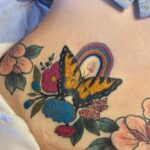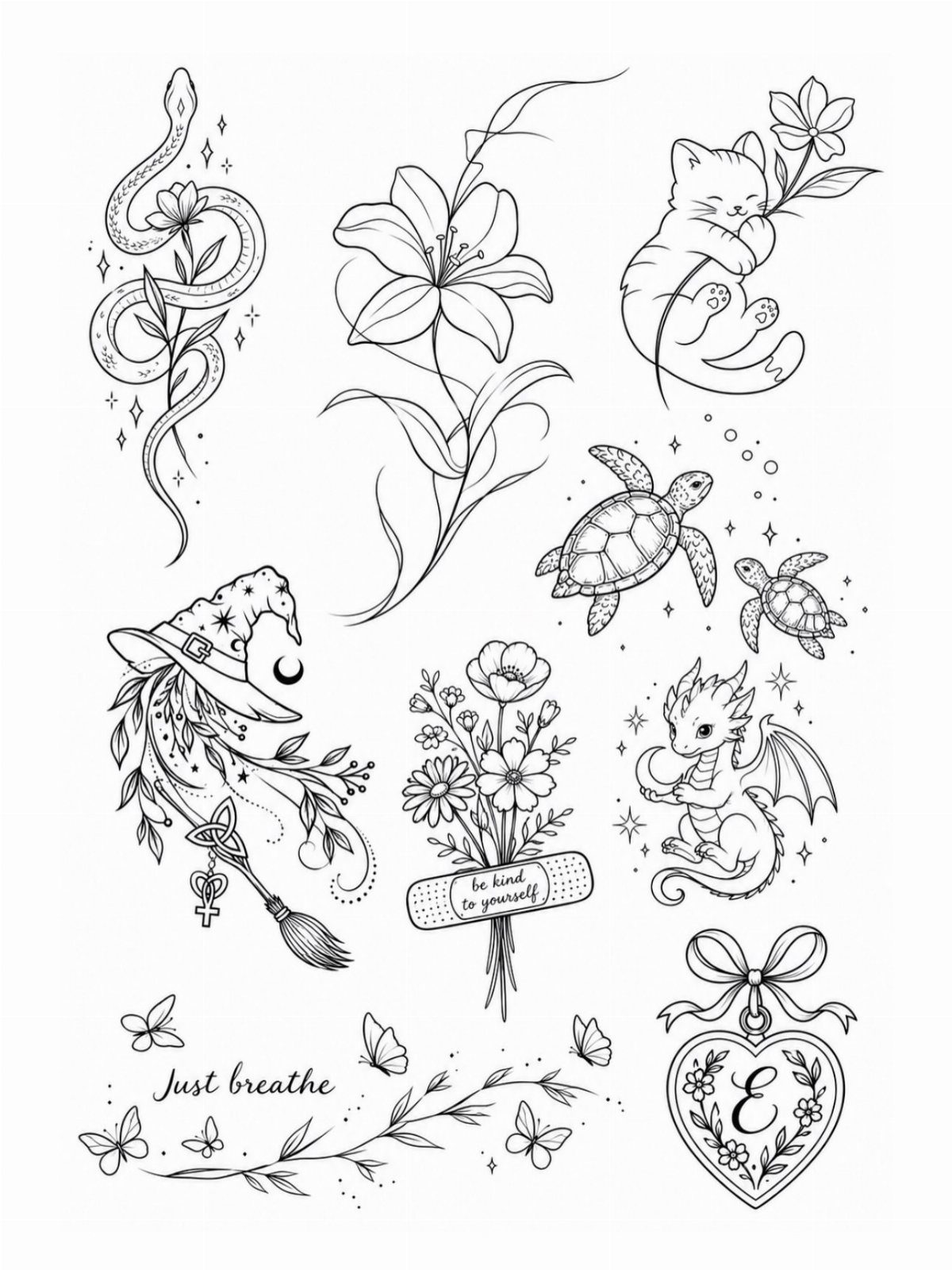
The list below runs from single-session script to a two-pass skull and roses, with leaves, hourglasses, and dreamcatchers in between; each needs its own vertical or horizontal room to avoid looking squeezed.
Placement sits at the end of the list for a reason: a forearm curves and compresses what a shoulder holds flat, so the order of choosing matters.
A paper cutout held against the skin shows how a curve changes the read: the same stencil opens wider on a shoulder than on a forearm where the cylinder tightens the composition.
1. Floral Patterns
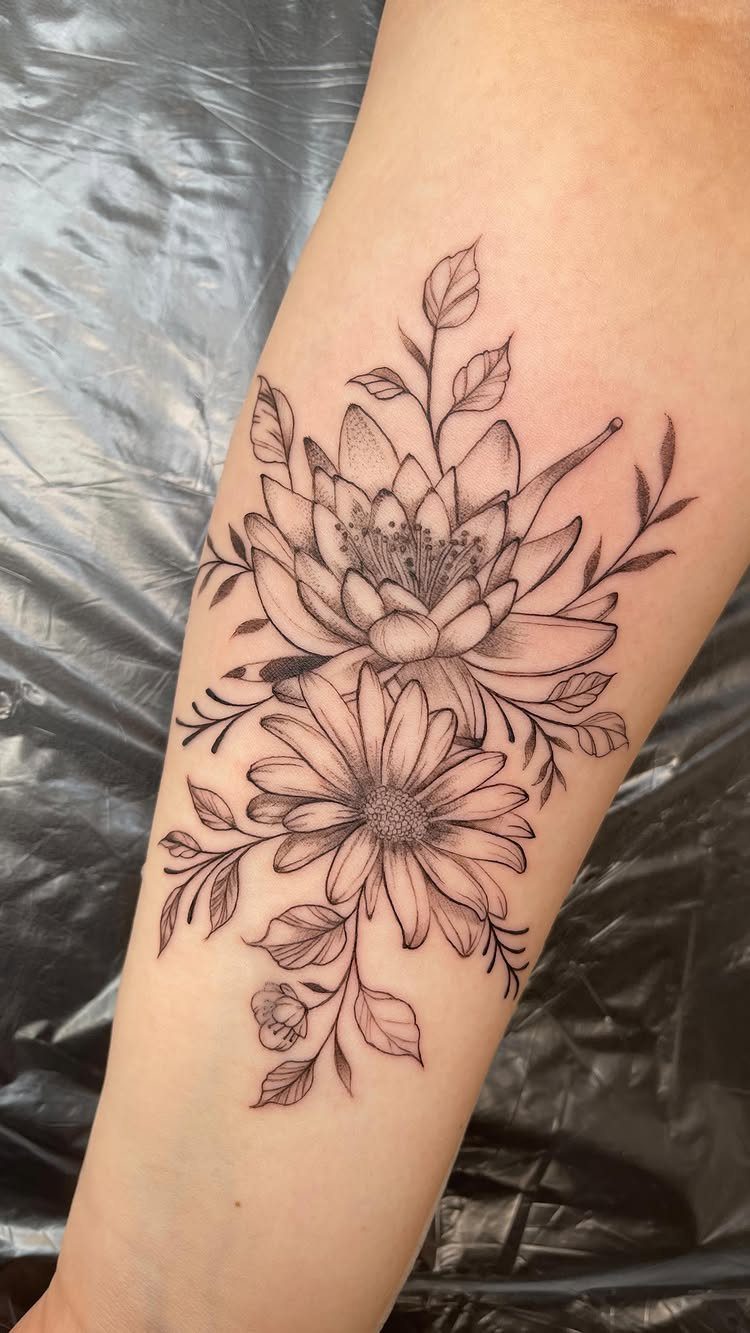
A floral stencil gives you the structure to place petals and leaves without guessing where the weight falls.
I like black and grey for this size because the dotwork shading builds depth without the color sessions that stretch a weekend plan into 3 trips.
Pick one main bloom and let the rest support it.
Mandala-style symmetry works on flatter areas like the outer arm, while flowing clusters suit curves better. A single peony or lotus carries enough detail to read clearly from a distance.
If your artist freehands leaves around a stencil center, ask to see the transfer on your skin before the needle starts. Leaves that looked balanced on paper can bunch up once the body curves.

1 Set = 12 Sheets Henna Tattoo Stencils, 6 Pairs Right and Left hands stencils. Pasting position: Hand, Finger,Forearm, etc. Suitable for Henna tattoo, Airbrush Painting, Glitter tattoo, and so on;

142+ Nature-Inspired Tattoos Stencil Designs in 12 Sheets: This temporay tattoo template set features over 142 unique, delicate designs centered on enchanting botanical and natural elements. Discover a vast collection of flowers (daisies, roses, sunflowers, lavender), intricate leaves, winding stems, complete bouquets, elegant wreaths, crowns, bees, and butterflies. Perfect for creating floral temporary tattoos, henna-inspired patterns, and nature-themed body art.

What's included: 1 Set = 9 sheets henna tattoo stencils, template size: 21 cm x 12 cm/8.2" x 4.7" (Only Templates,No Tattoo Ink); Paste location: hand, finger, forearm, legs and other parts of the body
2. Geometric Shapes
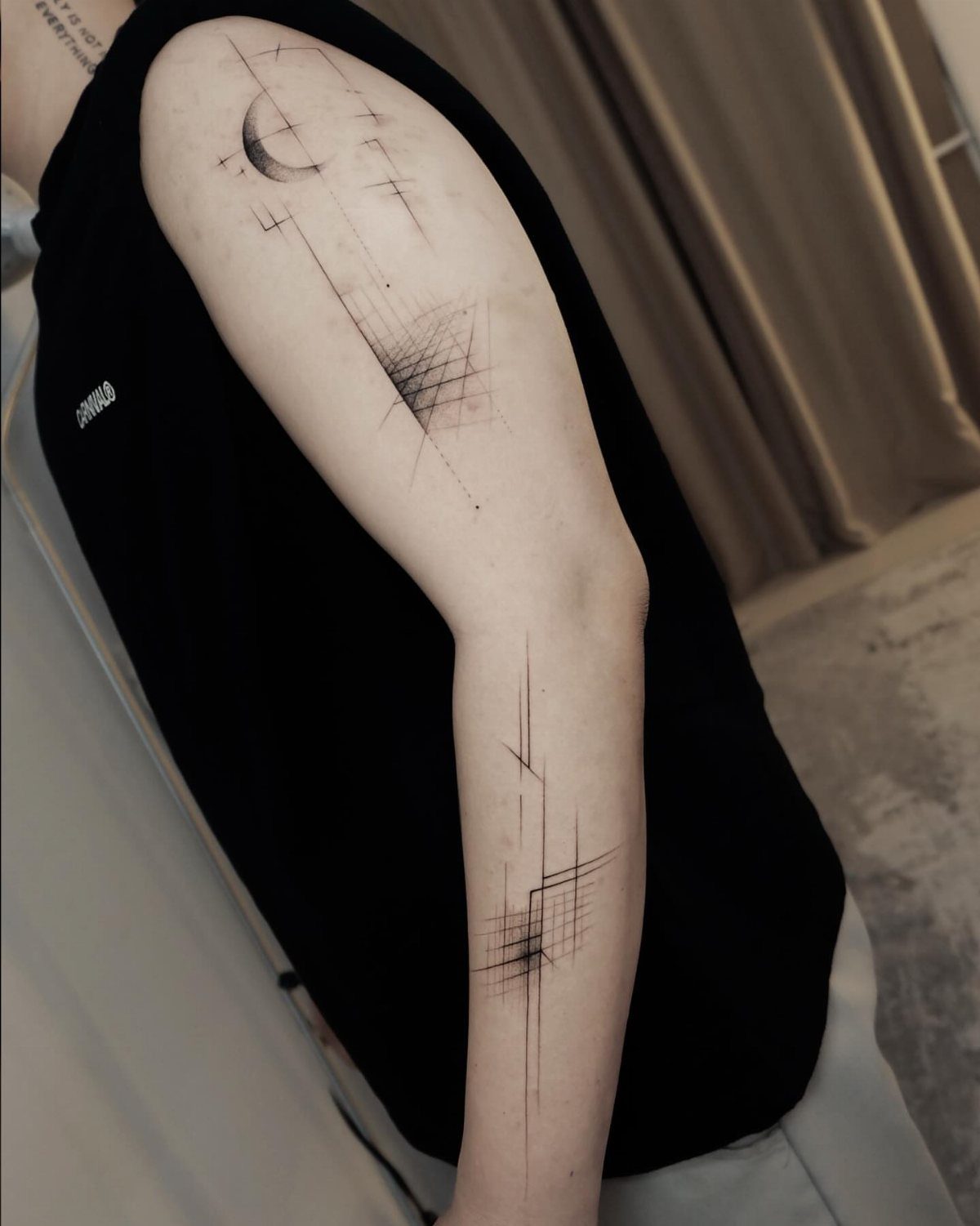
Fine-line grids and crescent moons suit the medium size because the lines stay crisp without the heavy fill that blows out over time. Dotwork and symmetrical petals anchor a geometric piece so it does not float on the skin.
I would put the denser pattern toward the elbow or shoulder where the surface stays flatter. Forearm twists can stretch thin lines into wavering ones after healing.
Black ink only keeps the cost down and the session short.
If you want a floral overlap, stencil the geometry first and let the artist add organic shapes around it. That order matters: hard lines first, soft shapes second.

TRUSTED FAMILY-OWNED BUSINESS: We are a USA trademarked brand dedicated to providing high quality stencils and our promise of satisfaction. If you are not satisfied for any reason, we will refund your order. Thank you for considering our stencils.

Blooming Lily Pattern Stencils: Can meet your different needs, well made and fun to creat craft projects for families and friends, offers endless possibilities for transforming your home decor

Saintly Lotus Pattern: These 9pcs stencils with different patterns are all based on the lotus flower as an element, the holy lotus flower not only represents the gentleman style, but also symbolizes the elegance of Buddhism, both in terms of pattern design and cultural content are awesome!
3. Skulls Integrated with Roses
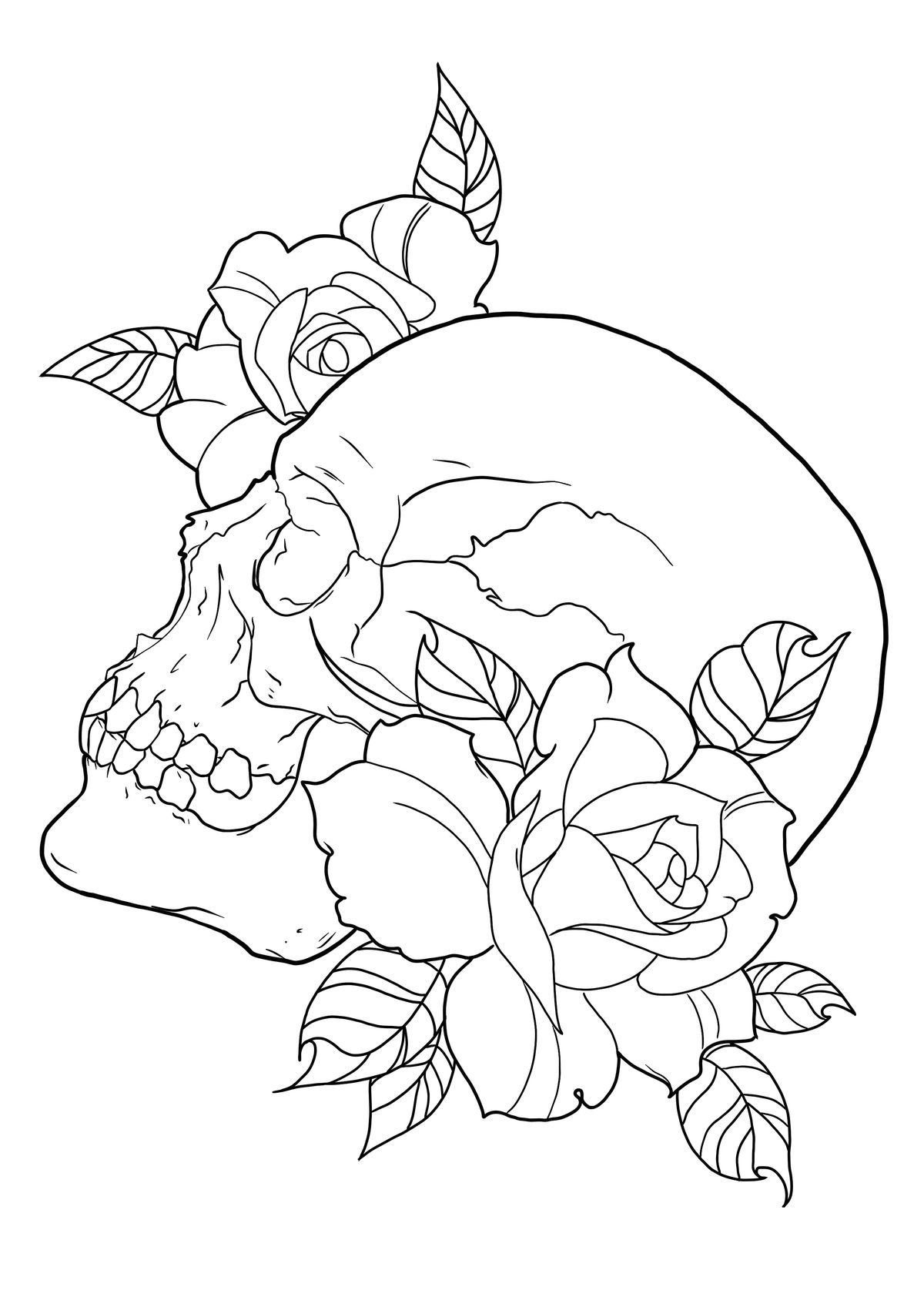
A skull with roses reads as one image when the cranium profile faces the same direction the flowers grow. The stencil keeps the jawline and teeth proportional, which freehanding tends to shrink or swell once skin tension kicks in.
Red in the rose and yellowed teeth takes a second pass.
For a single-session piece, stick to black and grey and let the linework carry the contrast. The boldness comes from the pairing, not the palette.
This one works best where you want vertical length: outer thigh, ribs, or the full upper arm. The skull needs height to avoid looking compressed.

Premium Quality 1.5mm Silicone Material – Crafted from premium 1.5mm thick silicone, this tattoo skin offers a true-to-life feel with excellent durability and a smooth surface for effortless needle movement during practice.

Precise Writing Alignment: This line drawing stencil template is engineered to create consistently straight and evenly spaced guidelines. With 30 parallel lines featuring a 9mm (0.35 inch) spacing, it ensures your handwriting, calligraphy, or lettering remains centered and aligned

【Packing List】You will receive a journal stencils set, including 1 straight line template and 1 wooden marker, which you can use to draw lines and mark. This set can basically meet your basic needs
4. Leaves and Vines
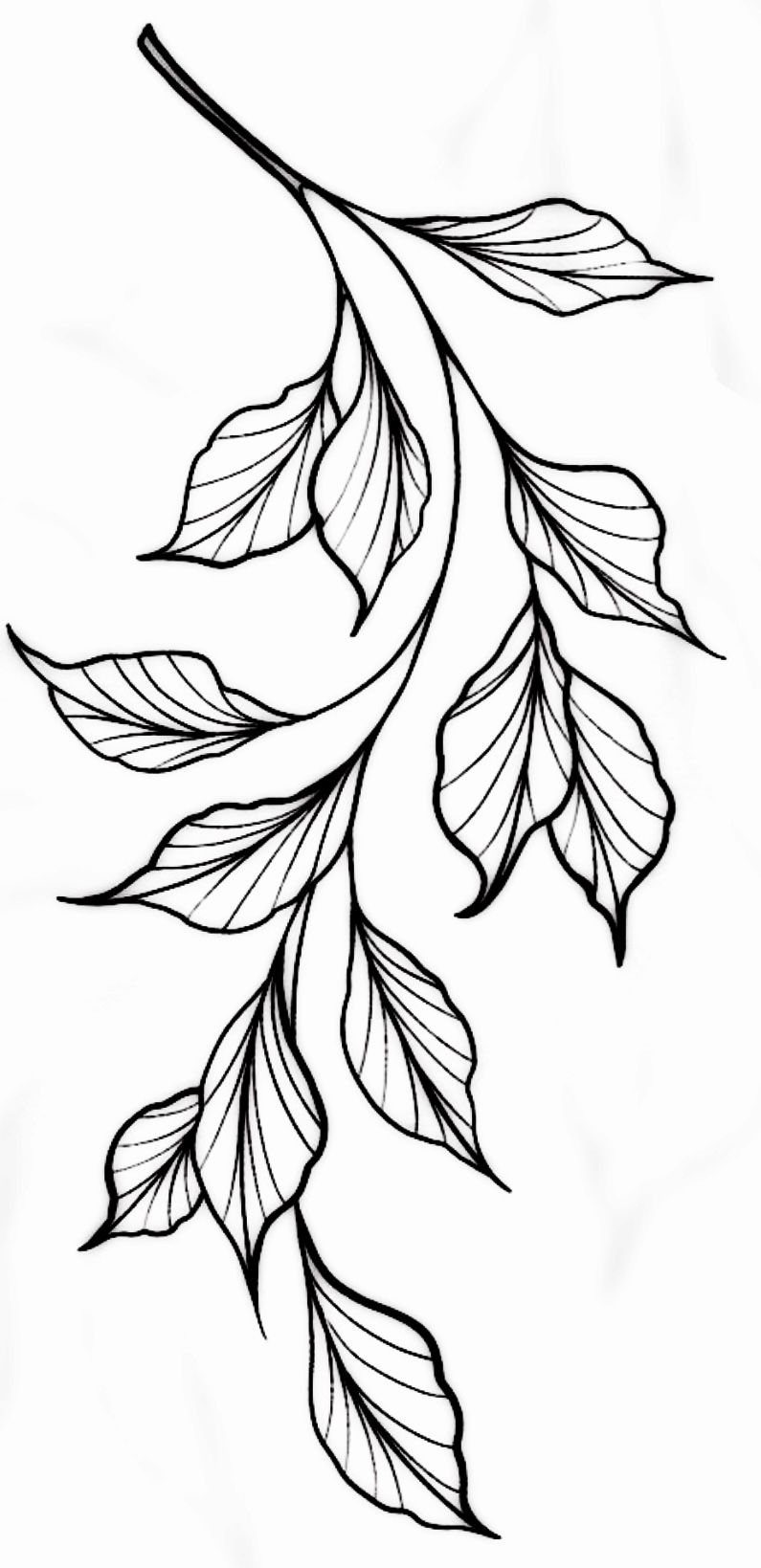
Vines flow with the body better than most designs because the eye follows the line naturally.
A single curving stem with serrated leaves, like the peony notes show, can climb from shoulder to elbow or wrap an ankle without fighting the joint.
I would keep the leaf size consistent. One oversized leaf near the bend of an arm or knee draws attention to the movement there, which most people do not want.
Stenciling helps most with the spacing between clusters.
Too tight and the vine looks like a solid band; too loose and it reads as separate stamps. Hold the transfer up and move the limb before committing.

value How to Remove: Soak with baby oil, cleansing oil or warm water for about 30 seconds, then wipe gently. Avoid rubbing hard or using alcohol. Great for Día de los Muertos, Halloween, masquerade, cosplay and themed parties.

ABUNDANT QUANTITY: Our Day of the Dead sugar skull tattoos costume,Halloween sugar skull temporary face tattoos, include 20 sheets, 2 different styles, Including 8 large sheets halloween temporary face tattoos, measures 21*15cm(8.3*5.9inch), and 12 sheets sugar skull tattoo, measures 6*6cm/(2.4*2.4inch), sugar skull makeup kit, day of the dead skeleton face temporary tattoo, enough to share with friends

5. Script Tattoos
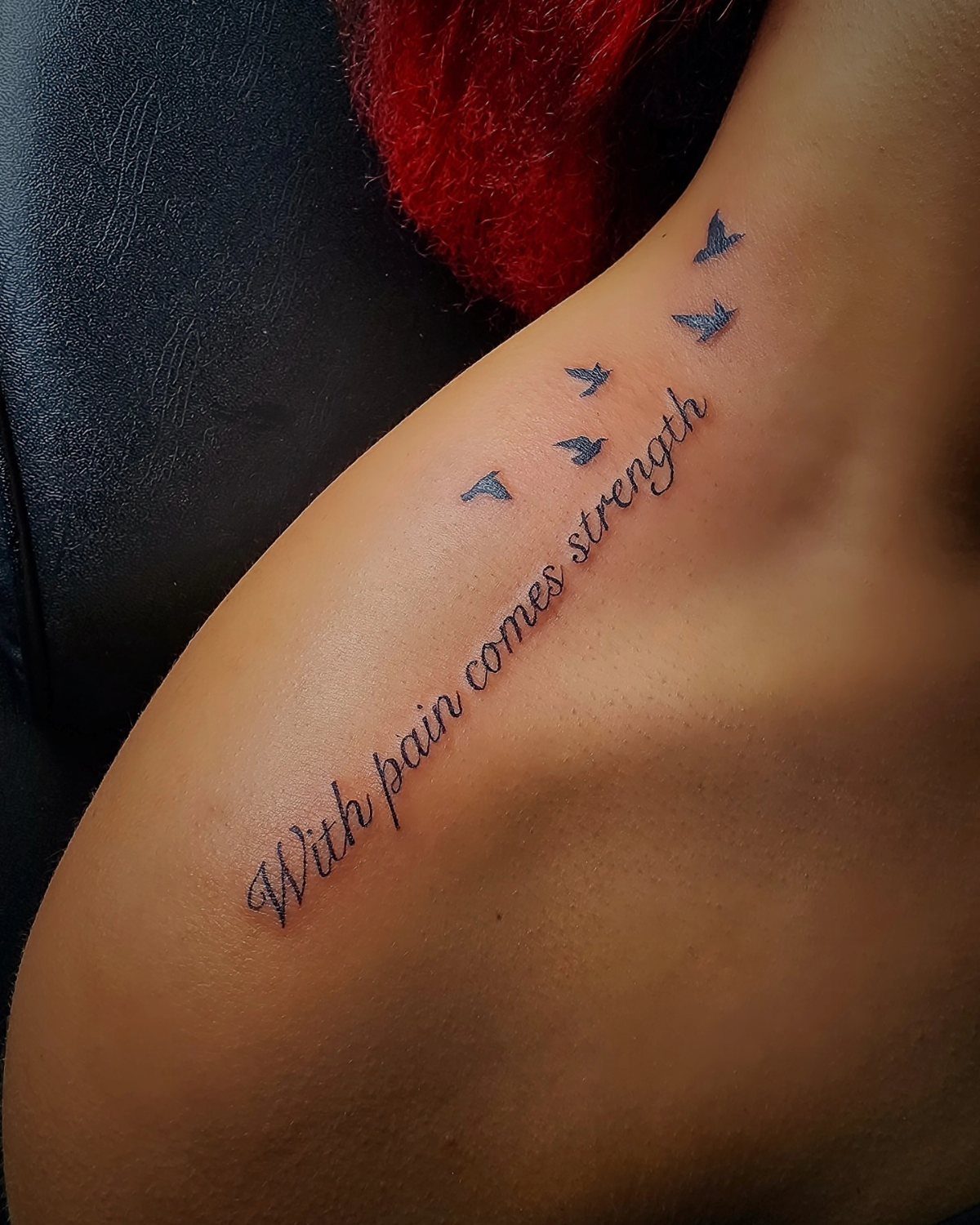
Script at medium size means choosing a phrase short enough to letter large.
A longer phrase like "With pain comes strength" needs careful kerning or the letters crush together. I would pick a short phrase for a first piece.
Cursive hides small wobbles better than block letters, but it also bleeds faster if the line weight varies. Ask your artist to keep line weight consistent.
Bird accents work when they break the line and give the eye somewhere to land.
Without them, long quotes can feel like reading a label. If you want birds or florals, stencil the text first and place the additions around it, never through it.

The packaging includes; You will receive 12 different Leaf Vine Stencils, with a wide range of styles and sufficient quantities. The Reusable Leaf Stencil for Craft can meet your daily use and replacement needs

【Large Vine Stencils】:This wall stencil set includes 1 leaf stencil for drawing, featuring 2 distinct leaf styles to cater to your daily creative needs.

【Package Includes】: This wall stencil set includes 1 leaf stencil for drawing, featuring 2 distinct leaf styles to cater to your daily creative needs. Perfect for sharing with friends and family, this stencil set is a must-have for any DIY enthusiast
6. Animal Designs
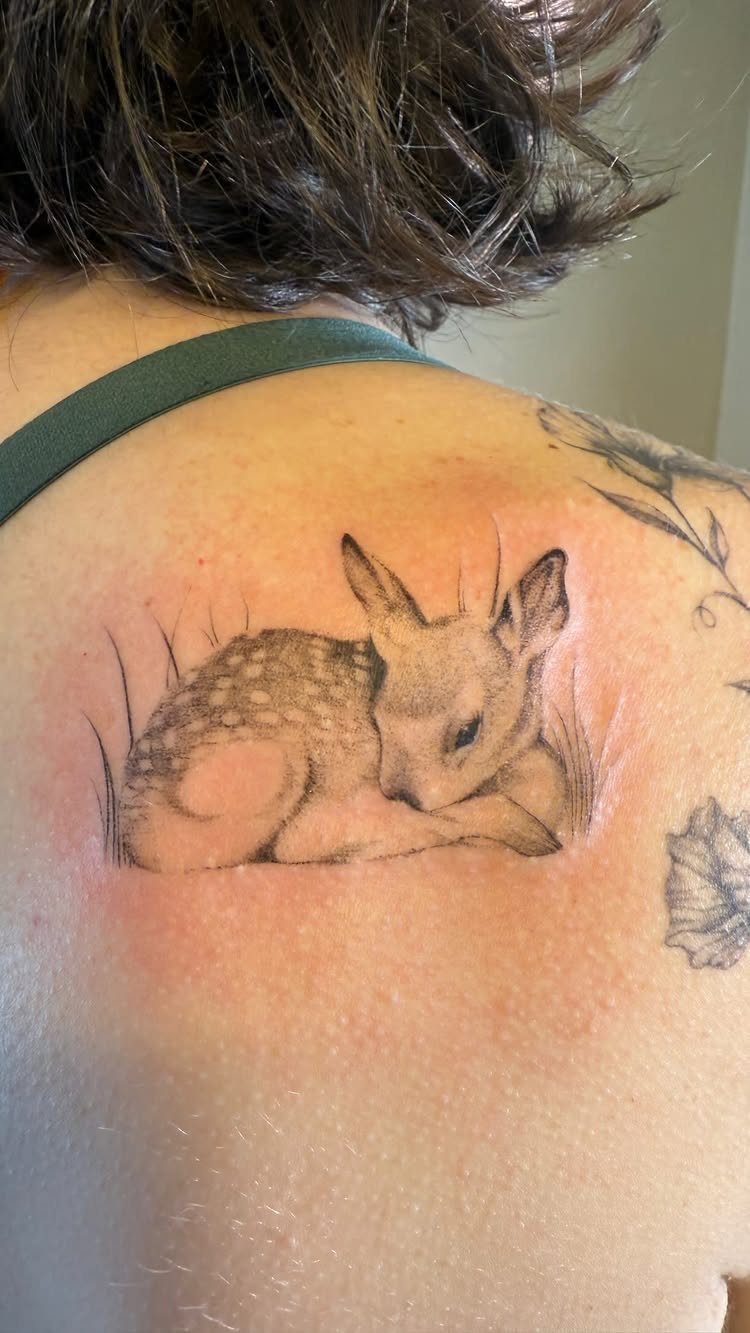
Limiting the subject to one animal lets you fit more texture at medium scale. Turtles, owls, or foxes work the same way: one creature, a small botanical tie-in, and enough background to ground it without crowding.
A small four leaf clover worked into a turtle shell turns a common shape personal.
That integration is harder than it looks; the stencil must account for the shell’s geometry or the clover reads as stuck on. I would check the transfer from 3 angles before starting.
Black and grey realism needs an artist who builds tone with needle groupings, not just shade washes.
Ask to see healed photos of their animal work. Fresh tattoos always look sharper than they stay.

Package Includes: You will receive 20 sheets reusable tattoo stencils, enough quantity to meet your daily requirements. The mehndi stencils are suitable for airbrush painting, glitter tattoo, and so on.

18000 Unisex Heavy Blend Crewneck Sweatshirt

Package: Only 14 Sheets 3 layers PVC henna hand stencils, Washable and Non-Toxic. Ink is not included
7. Hourglasses with Floral Accents
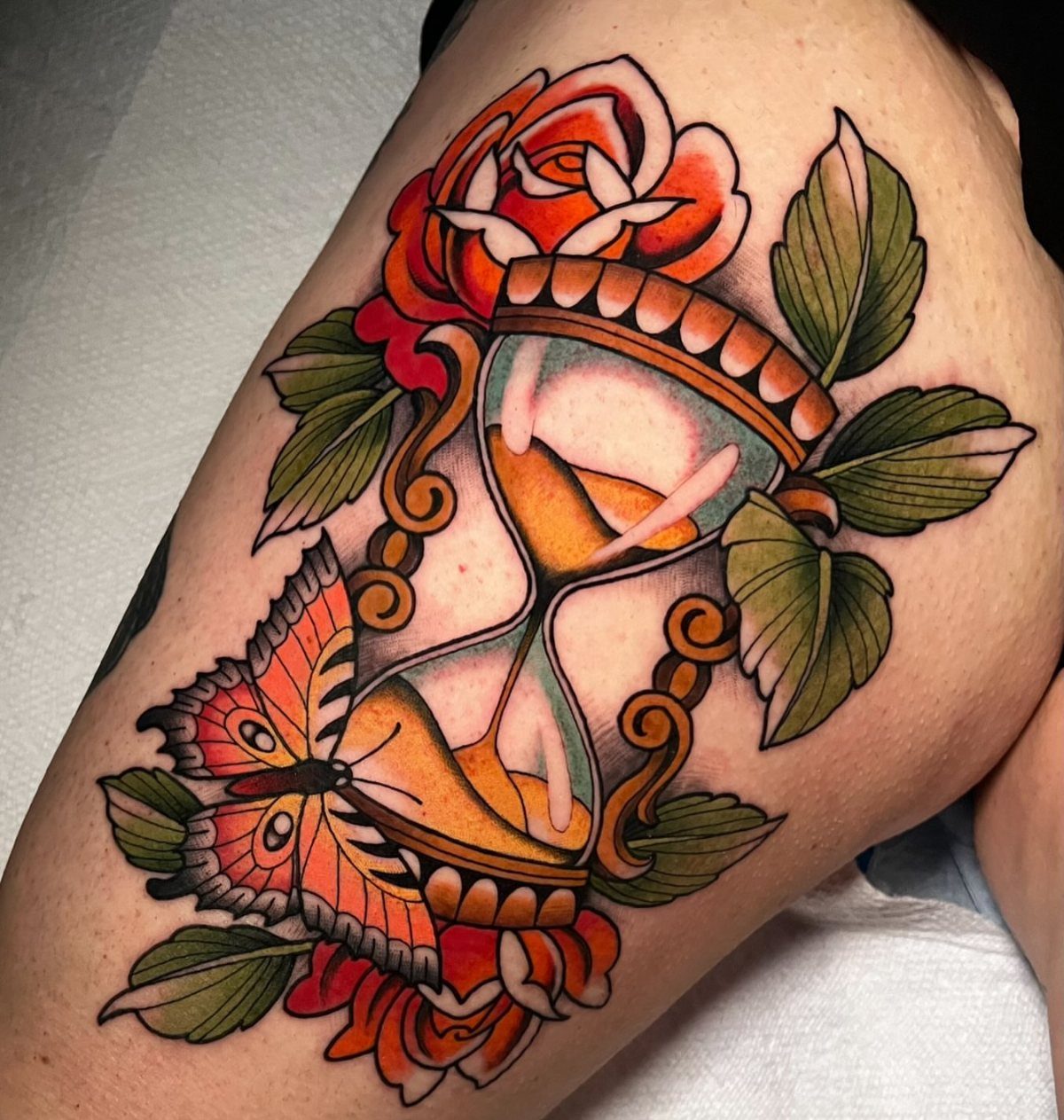
An hourglass with roses or leaves wrapped around the glass gives you 2 subjects that both need vertical space.
The frame and the florals compete for the same area, so I would keep the metalwork simple, maybe just the top and bottom caps, and let the flowers own the middle.
Color in the blooms against black and grey metal reads faster than full color on both.
The butterfly from some stencil sets works as a single accent near the base, not scattered around; too many flying shapes and the eye loses the timepiece entirely.
Thigh or outer calf handles the height best.
Upper arm can work if you accept a slightly compressed proportion. Ask your artist to stencil the glass curves first, then place the botanicals around them, not through them.

TRUSTED FAMILY-OWNED BUSINESS: We are a USA trademarked brand dedicated to providing high quality stencils and our promise of satisfaction. If you are not satisfied for any reason, we will refund your order. Thank you for considering our stencils.

Stenciling is one of the simplest and most budget-friendly ways to breathe new life into your home. With stencils, you can easily experiment with various colors, designs, and patterns to completely transform the look and feel of any room.

Package Comes with: you will receive 1 piece reusable painting stencil, which is A4 size 8.3 x 11.7 inches / 21 x 29.7 cm
8. Dreamcatchers
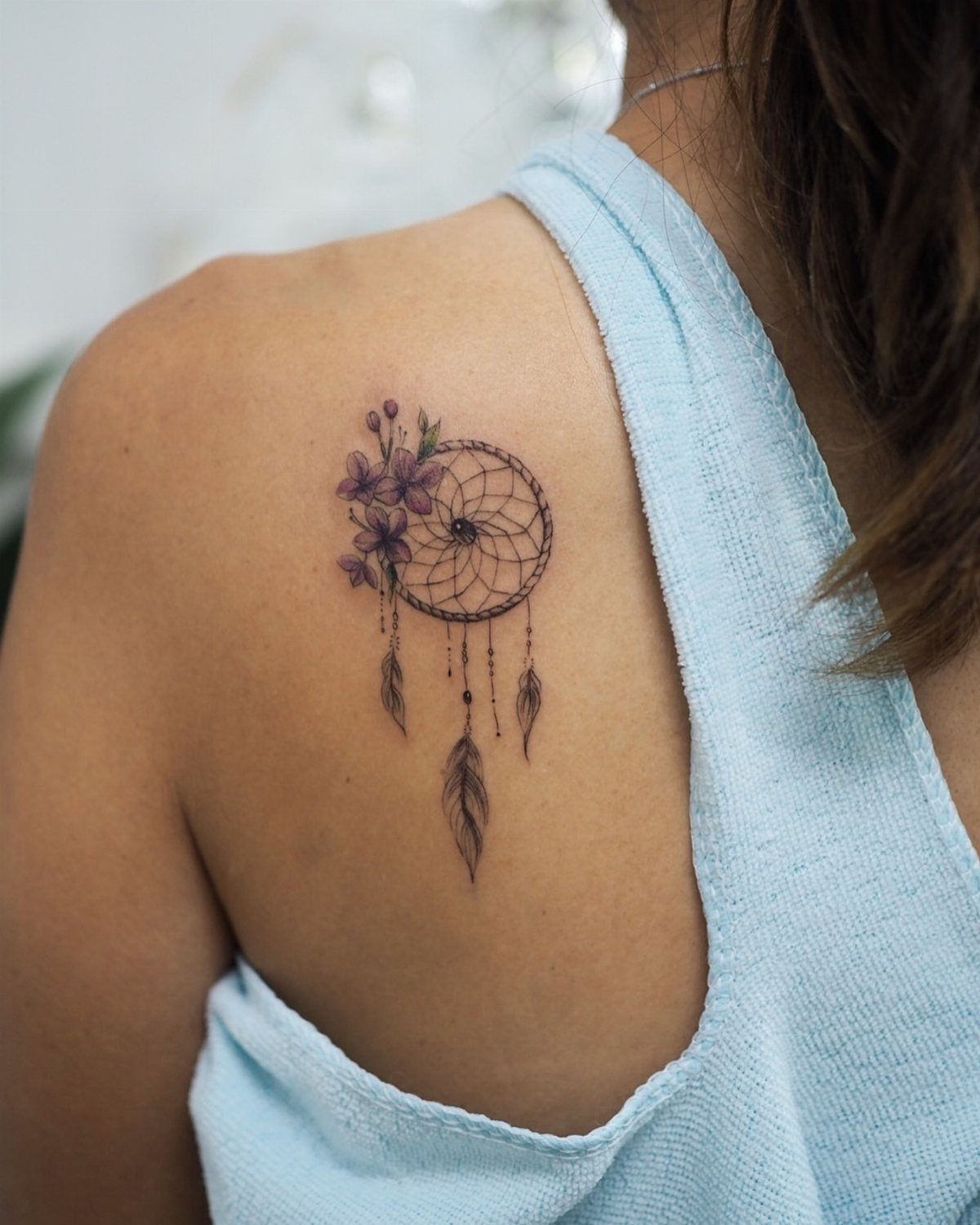
A dreamcatcher at medium size needs the web detail tight enough to read but open enough not to blur together after healing.
The ring, web, hanging feathers, and any beads already crowd the space; adding flowers means shrinking one of those elements.
I would keep the web minimal and put the floral work on the ring itself or clustered where 2 feathers hang. Purple blooms against black line work give color without requiring a second session for saturation.
The upper back and shoulder placement lets the feathers drop along the blade line, which looks natural when you move.
Lower back or thigh works too, but the curve there can distort the ring into an oval. Check the stencil standing up, not just lying flat.

Mr. Pen geometric drawing template is an essential tool for precise and creative design work, ideal for students, architects, and engineers.

Double Sided Tattoo Practice Skin: easy wipe, 2 sides designed fine line tattoo practice skins feature over 20 different stencil designs.

Package Comes with: you will receive 1 piece reusable painting stencil, which is A4 size 8.3 x 11.7 inches / 21 x 29.7 cm
Placement Suggestions
The forearm gives you the easiest self-check during healing because you can rotate it into view without a mirror. That matters more than people expect; a spot you cannot see clearly gets ignored, and ignored tattoos heal unevenly.
The shoulder and outer upper arm hide well under a short sleeve but show in a tank top.
The skin there moves less with daily motion, so lines stay where they were placed. Sleeping is the hard part: you will roll onto a fresh shoulder or upper back piece until it settles.
Upper back placement needs a friend to photograph the stencil transfer.
The area between the shoulder blades looks flat when you face a mirror, but the skin stretches differently when you reach forward. I would move both arms through a full range before the artist starts.
Ribs and thighs handle larger medium pieces, but both areas swell more during healing and rub against clothing. Plan looser fabric for the first week.

Ten Times The Fun: Our sugar skull makeup kit contains ten sheets of face tattoos of different personalized elements. Each day of the dead skull face temporary tattoo can be cut out individually, with simple base makeup, you will create unknown horror atmosphere. Matched the tattoos with different dia de Los Muertos costumes, and you will get more Halloween role-playing fun. With these days of the dead face paintings, you will transform into the ambient highlight of a Halloween party above.
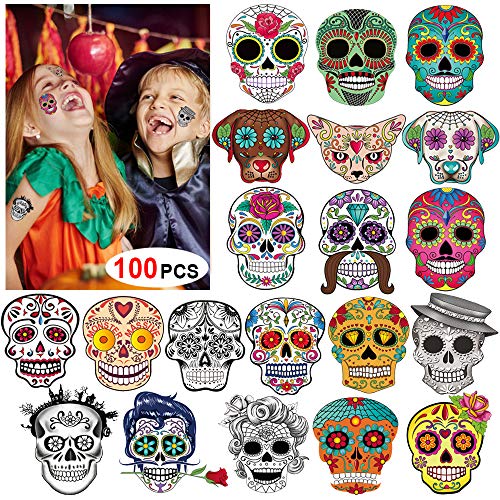
You will receive 25 sheets totally 100pcs in 20 different designs day of the dead skeleton face temporary tattoo face kit, black white blue pink brown gold silver fluorescence multicolor apply in to create more interesting experiences and celebrate life! each pattern measures 4.6*4.6cm/ 1.82*1.82inch , one size fit all girls boys kids Women Men Adult and Kids

BEAUTIFUL AND REALISTIC: The halloween face stickers designed with unique and creative patterns, features bright red roses, petal eye circles, green leaves, sugar skeleton and more, beautiful and cool. And sugar skull makeup kit include numerous individual tattoo components for precise and creative placement on the face make you feel mysterious and realistic. Great for Halloween, Day of the Dead, Day of the Dead costumes and family gatherings.
Color Options
The fine-line botanical references show how much variation one ink can produce: stippling for texture, weight variation for depth, open skin for highlights. No second color needed.
Color in most floral work takes a second pass for saturation. The eye reads the color faster against the grey.
Yellows and light greens fade fastest on skin that sees sun.
If your placement is forearm or calf, expect to refresh those tones in a few years. Black and grey ages more evenly and needs less maintenance over time.

Large vine stencils: Leaf stencils include 3pcs 16 X 8 inch extra large stencils for painting on wood fence, and small 3pcs 12x6 inch stencils for wall canvas reusable.

🌊【9 SHEETS Vine Leaf Temporary Tattoos For Women Adults】GOROMON Unique Design Waterproof Realistic Tattoos Including 9 Sheets Floral Vine Leaf Flowers Plants Leaves Tattoos For Hands And Tattoos For Fingers Tattoo Sticker Design.

【Package Content】You will receive one large vine stencils for painting on wood wall, measuring 26x17.8cm/10.2x7inch. The design is exquisite, and the size is universally suitable for wall painting, meeting your various needs.
Size Considerations
Most artists can finish a medium piece in a single session if it fits the body part without pushing into wrap-around territory.
Too small and detail crowds; too large and the piece starts needing multiple sittings or a higher hourly rate.
At the small end of medium, script and single animals read clearly.
Vertical subjects like a skull with roses or an hourglass need room to breathe, which is why placement matters as much as design.
The hourglass notes mention thigh or outer calf for that reason; the upper arm compresses slightly at this scale.
I would measure the intended spot with a paper cutout before committing. A design on a curved forearm wraps more than the same design on a flat shoulder, which changes how the composition reads from straight ahead.
Frequently Asked Questions
How big is a medium-size tattoo?
Medium tattoos typically run 3 to 6 inches in their longest dimension. At the small end, a single animal or short script stays readable without crowding.
Vertical subjects like skulls with roses or hourglasses need the upper half of that range to avoid looking compressed, especially on curved areas like the upper arm.
What are the trendy tattoos for women in 2026?
Peonies and lotus flowers with mandala symmetry, fine-line crescent moons, skull-and-rose pairings, and dreamcatchers with minimal web detail are what I see people actually booking right now.
Black and grey work keeps the session affordable and finished in one weekend, which matters more to most people I talk to than chasing whatever a celebrity posted last month.