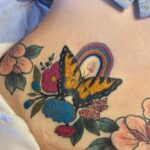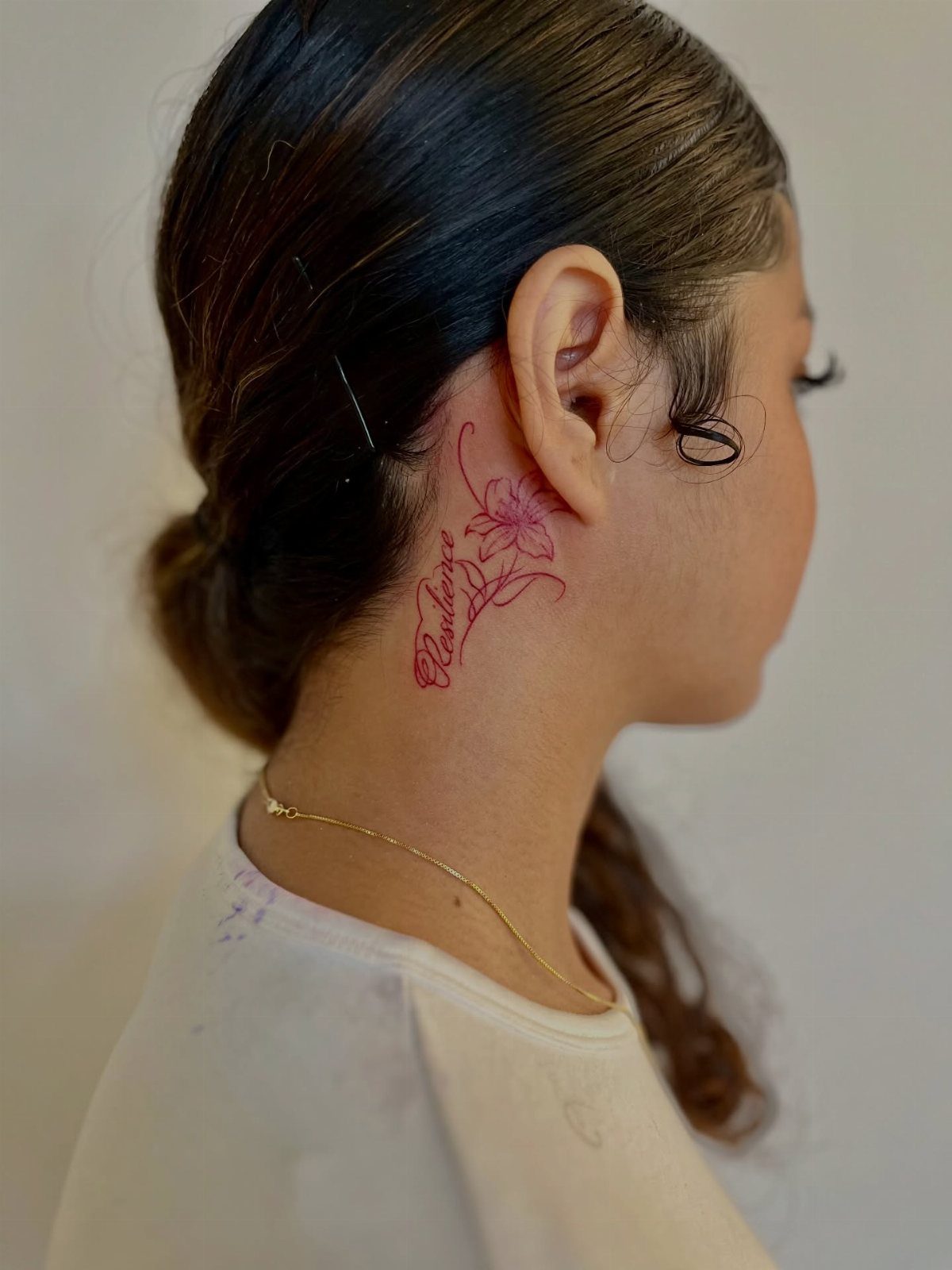
A placement can stay hidden under a work shirt or sit where it shows the second you roll up a sleeve, and the deciding factor is how much control you need over who sees it and when.
1. Shoulder Tattoos
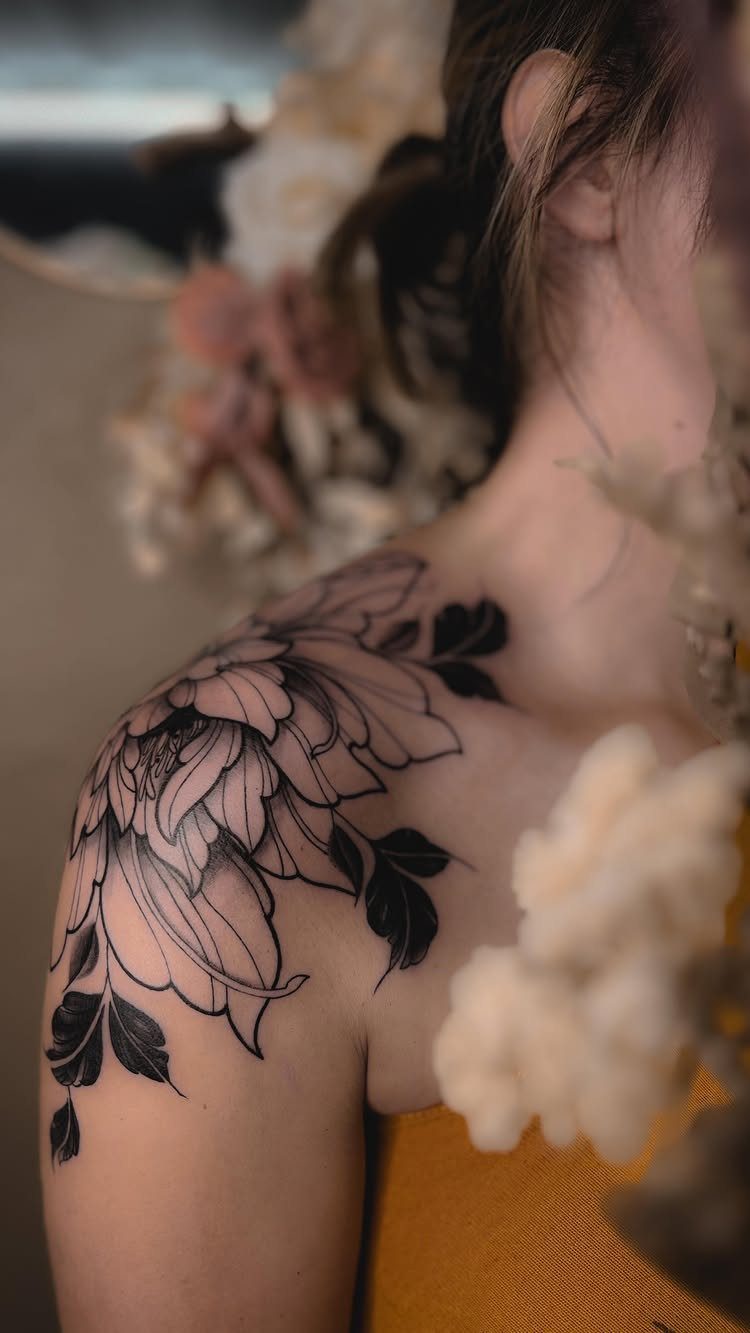
The shoulder gives you room to grow. A small sprig of flowers can sit on the cap, or work down toward the blade and become something larger later.
Muscle curves there hold mandalas and tribal shapes well, and the skin stays flat enough for clean lines. A short sleeve hides it for work; a tank top shows it off on Saturday.
Healing takes attention.
The spot rubs against bra straps and backpack loops, so you will be adjusting bandages more than with a forearm piece. Sleep on your other side while it heals.
I would start small and leave the door open. The shoulder rewards patience, and most women who choose it end up adding on.

142+ Nature-Inspired Tattoos Stencil Designs in 12 Sheets: This temporay tattoo template set features over 142 unique, delicate designs centered on enchanting botanical and natural elements. Discover a vast collection of flowers (daisies, roses, sunflowers, lavender), intricate leaves, winding stems, complete bouquets, elegant wreaths, crowns, bees, and butterflies. Perfect for creating floral temporary tattoos, henna-inspired patterns, and nature-themed body art.

Package Includes: You will receive 20 sheets reusable tattoo stencils, enough quantity to meet your daily requirements. The mehndi stencils are suitable for airbrush painting, glitter tattoo, and so on.

COMPLETE KIT: Set includes 18 sheets of self-adhesive henna stencils featuring traditional Indian Mehndi designs for hands and body art
2. Behind the Ear
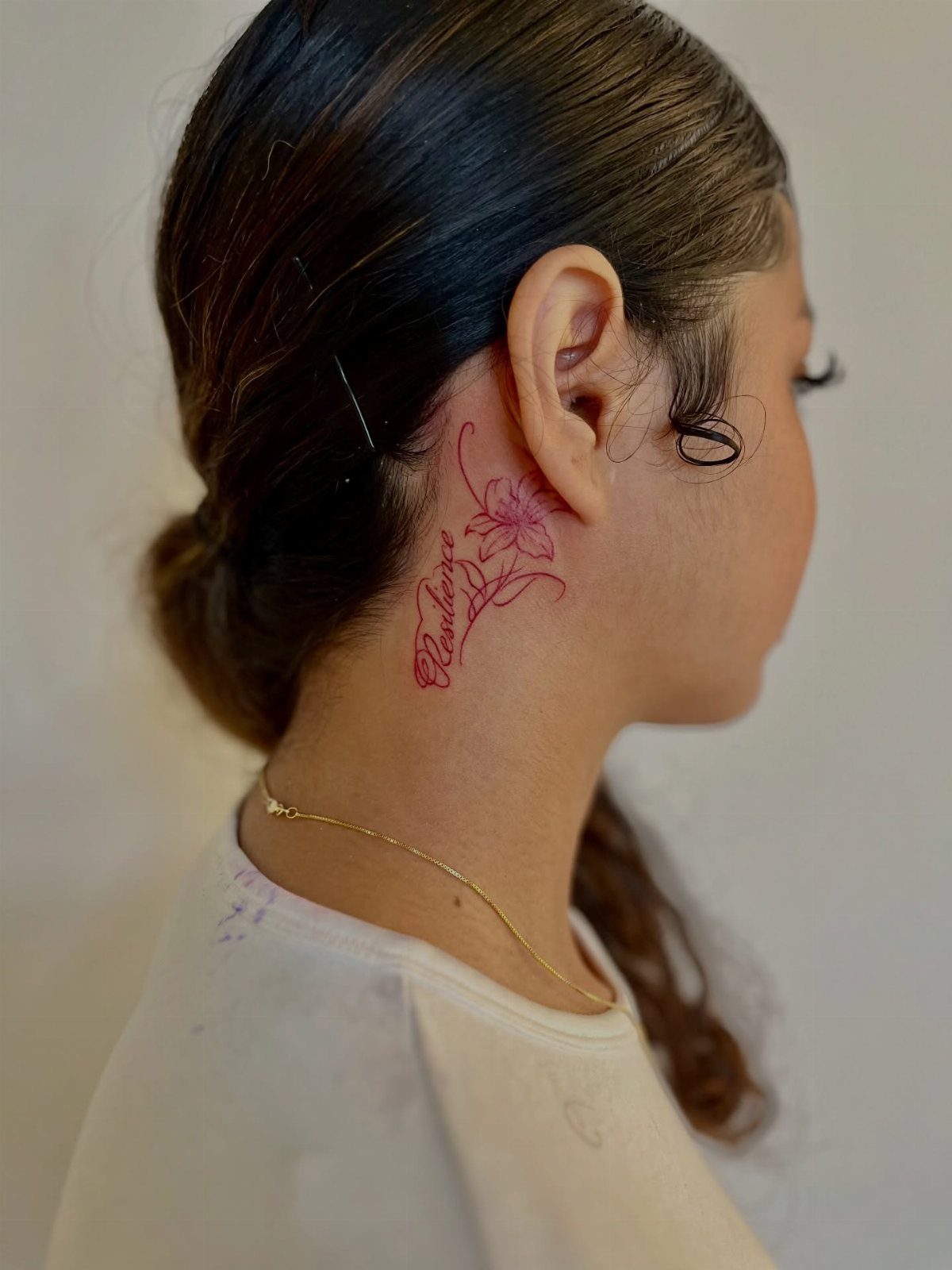
Hair down, and the tattoo vanishes. Hair up, and you have a secret on display.
The space behind the ear fits a word, a single flower, or a cluster of tiny stars. Red ink shows up strikingly against most skin tones there, though black stays the safer long-term bet.
The skin is thin and the bone close, so the needle feels sharp, but the session ends fast; most pieces this small do not take long.
Workplace rules still matter for some of us. A low bun covers it, and a dab of concealer handles the rest if your office leans conservative.
The real limit is detail.
Anything with tight linework will blur over time in such a small field. Pick something that reads clear from a short distance away.

【Complete Tattoo Kit】Dragonhawk poke beginner tattoo kit includes the original poke pen, professional needles, tattoo design images, covers, and essential supplies

Pre-Sterilized & Disposable for Safety: Each gun comes in a separate, sealed package to ensure a hygienic piercing every time. This reduce the risk of cross-contamination, making it the trusted choice for parents piercing their children's ears and for first-time users at home

Package includes: This Kit includes tattoo pen, tattoo ink caps with base, transfer paper, 7color 1/6 oz tattoo ink, tattoo needles, tattoo needle nipples, pair of disposable gloves, tattoo grip cover wrap, blank tattoo practice skin, Tattoo Table Covers
3. Finger Tattoos

Your hands are always in motion, and the ink knows it.
Small symbols, a short word, or a row of tiny stars work best. Small symbols fit the scale; script across the back of the hand needs bolder lettering than you would use elsewhere.
Fingers swell and flex, so healing means keeping them dry and avoiding rings until the skin settles. Gloves for dishwashing or work become a problem.
The fade comes fast.
Hand washing, sanitizer, and sun wear down the lines; plan on touch-ups every couple of years. Some shops charge more for finger work because of the rework rate.
I like the visibility. You see your own ink dozens of times a day, which matters more than most people admit.

★【18 Sheets 200+ PCS Small Finger Temporary Tattoos For Women Men Adults】--COKTAK Brand Mixed Style Black Small Temporary Tattoos For Men Women Adults Hot Fashion Variety Y2K Tiny Geometric Arrow Lotus Rose Flowers Leaf Leaves Sun Crescent Moon Butterfly Words Letters Finger Tattoo Stickers In One Package.

🐳[200+ PCS 20 Sheets Small Tattoos in One Package!] - Original Brand of TASROI 3D Small Cute Tiny Bulk Hand Finger Temporary Tattoos For Women Men Adults Hand Finger Tattoos Temporary Contains 20 Sheets Water Transfer Cute Small Geometric Arrow Crescent Moon Sun Leaf Dots Chians Jewelry Pendant Tattoos For Finger Hands Ear Neck Tattoo Sticker.

Small Finger Temporary Realistic Temporary Tattoos for Adults: Discover our diverse collection of over 250 temporary tattoos, each measuring 5.7x9.7 inches. Perfect for teens and adults, our selection includes designs from celestial themes like suns and moons to nature-inspired elements such as letter and butterflies, suitable for a variety of events
4. Collarbone Tattoos
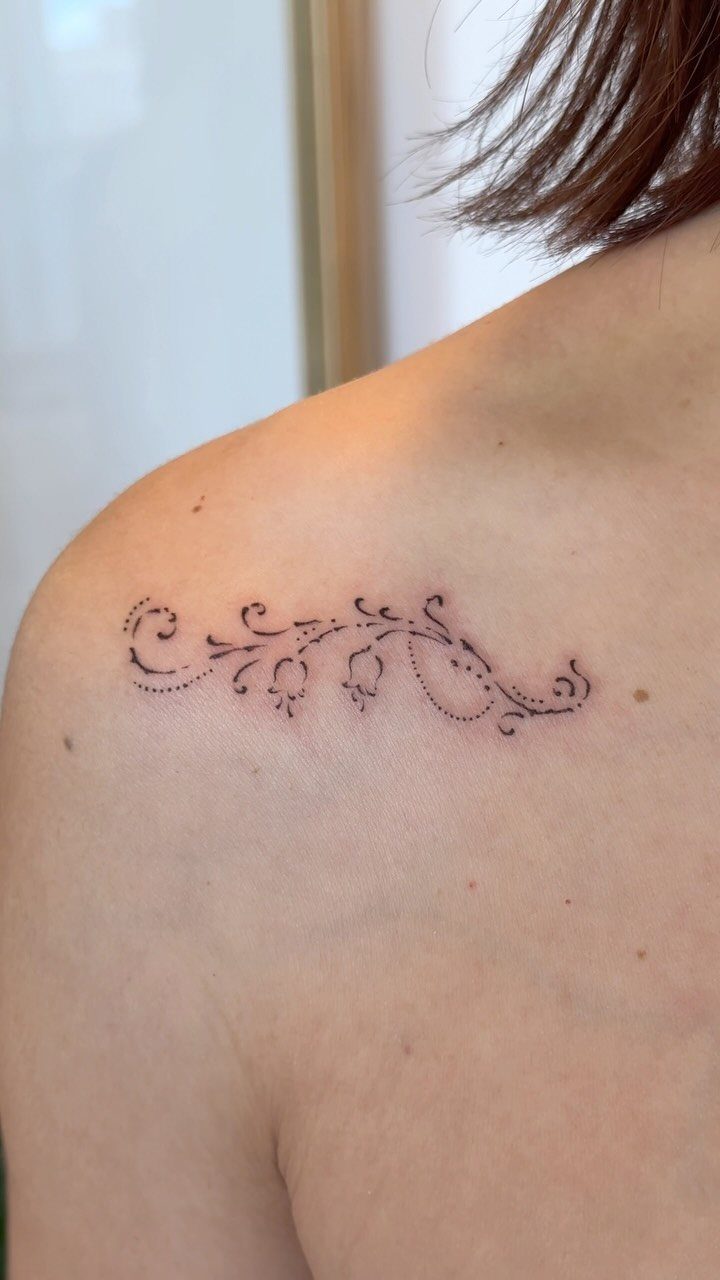
The collarbone frames a tattoo like a shelf.
Fine-line vines and hanging bells follow the bone’s natural curve, and the area stays flat enough for detail that would distort on a shoulder cap.
A crewneck shows it; a scarf or a higher neckline hides it. The pain sits in the middle range; the bone is close, but the skin is not as thin as behind the ear.
Size matters more than you think.
Too wide and it competes with your neckline; too tall and it creeps toward the neck in ways that age poorly. I would keep it small in any direction and let the negative space do the work.
This spot suits script especially well, since the line gives words a natural baseline.

Tiny Tattoo Practice Skin: the double-sided, easy-wipe, fine-line tattoo practice skins feature over 80 different stencil designs on the front and back of the skin.

【45 DESIGNS – 9 LARGE SHEETS FOR CUSTOM USE】 This set includes 9 big sheets (5.9in × 8.66in each), giving you 45 unique fine-line designs total. You can cut out individual pieces or use full sheets for larger placements. No waste – mix, match, and layer different motifs to create a customized body art look that fits your personal style.
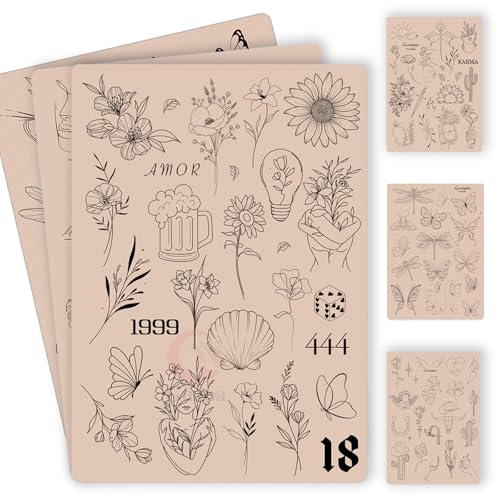
100+ Pre-Printed Designs – Features a wide variety of fine line and tiny tattoo stencils to enhance detailing skills.
5. Ankle Tattoos
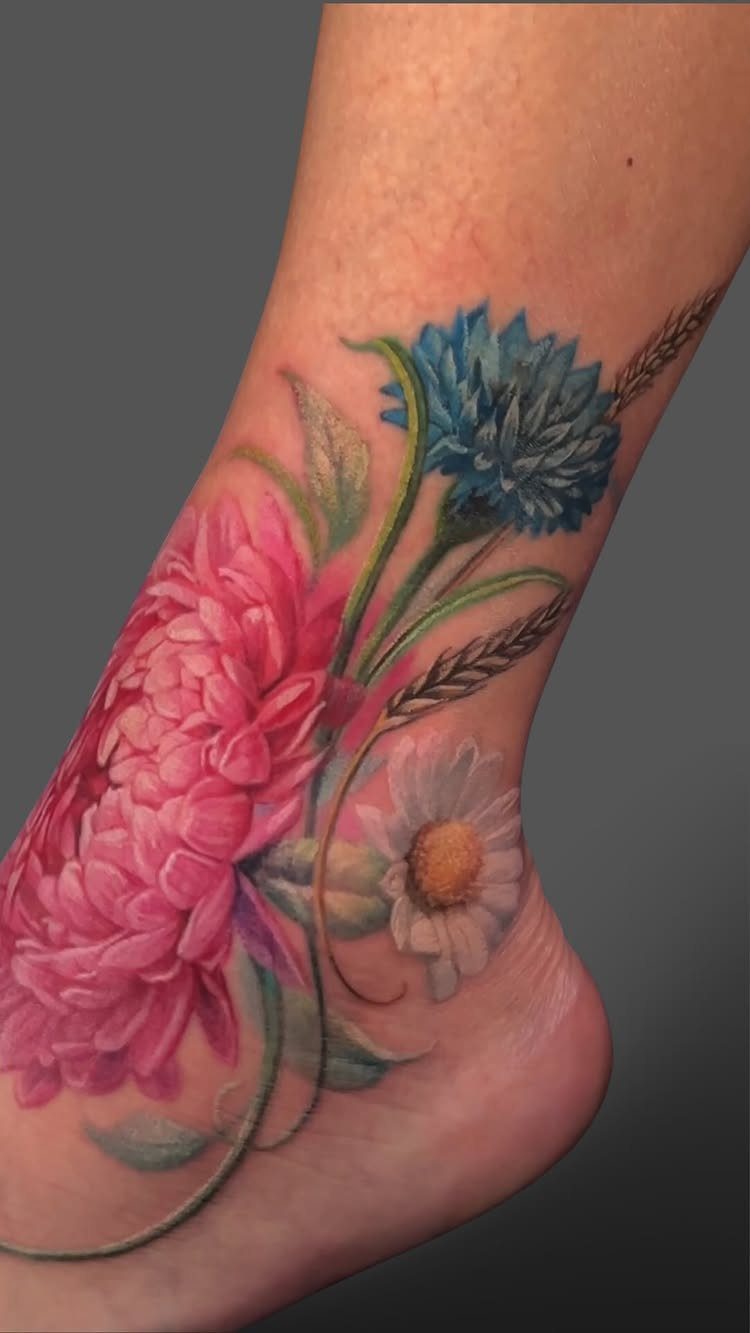
The ankle has been a first tattoo for generations of women, and the reason still holds.
Color holds nicely there; the skin takes pigment well and sees less sun than your shoulders or arms.
A sock covers it for family dinners or conservative offices. Sandals bring it back out by May.
The bone is close on both sides, so the needle rattles against it near the edges of your design.
The center back, above the Achilles, hurts least. Flowers and small symbols are the classic choices, though I have seen anchors and astrological signs work when they match the person.
Healing means skipping tights, long socks, and boots that rub. Plan your timing; winter is easier than summer if you live somewhere with real seasons.
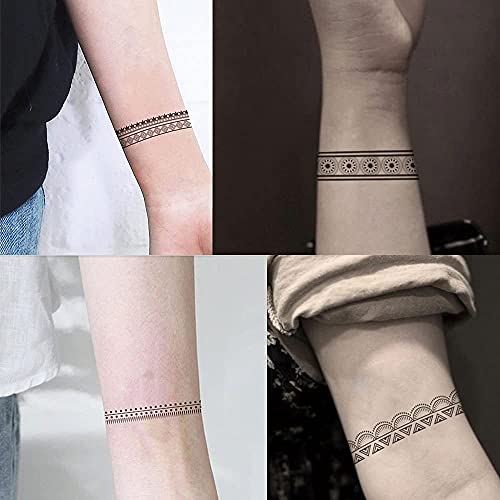
❤️ Bold Tribal Bracelet Designs: This set features 2 sheets of tribal-style temporary tattoos, showcasing intricate black patterns that wrap around your wrist like a bracelet. Perfect for fans of black tattoos and bold, masculine designs.

🐙32 Sheets 89+ PCS Unique Tribal Black Temporary Tattoos:🐠 There Are 32 Sheets With 8 Large Half Arm Sleeve Temporary Tattoos For Women Adults 21x15cm 8.2"x5.9" And 24 Sheets Small Temporary Tattoos For Girls Kids 10.5x6cm 4.1"x2.3" Including Various Popular Gothic Designs 3D Animal Snake Lace Elephant Cross Boho Bohemia Moon Crown Owl Lion Wolf Tribal Tiger Tatoos Skull Skeleton Dreamcatcher Dream Catcher Turtle Lotus Mandala Flower Feather Fake Jewelry Tattos Design.

【12 Large Reusable Stencils & 78 Unique Designs】Temporary Tattoos Stencils Kit create professional-quality body art with 78 trending patterns across 12 durable sheets. Perfect for arms, ankles, shoulders - endless customization for parties/cosplay.
6. Inner Arm
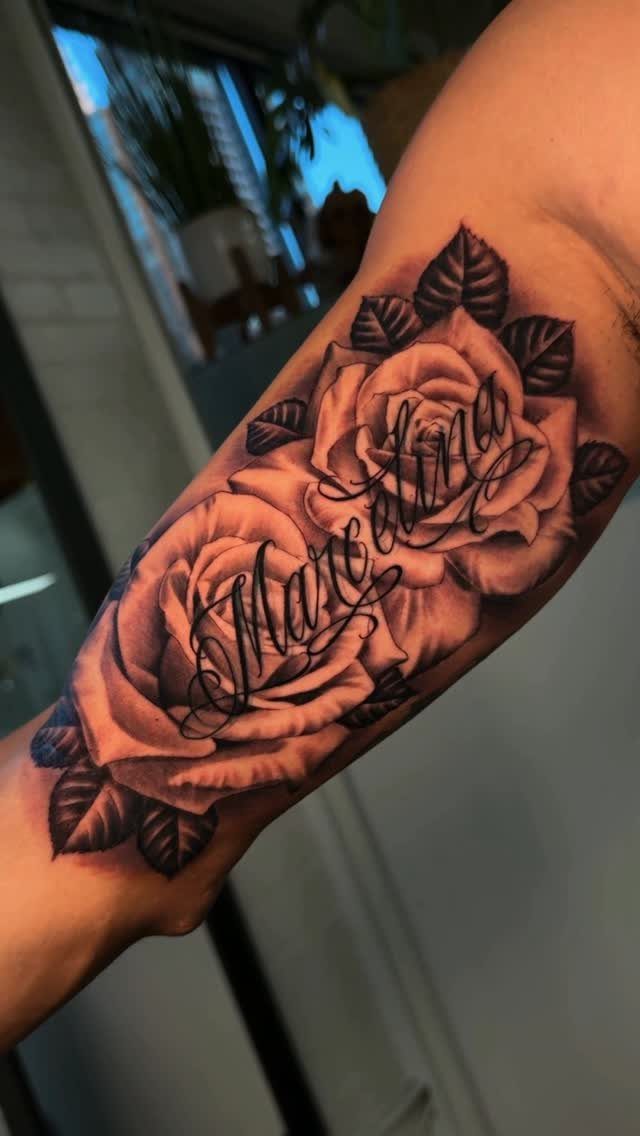
The inner arm is private in a way that feels different from hidden.
A long sleeve covers it completely, yet rolling that sleeve up feels like a choice rather than an exposure.
The flat skin takes roses, script, or small portraits with equal patience. The muscle underneath cushions the needle, so pain stays moderate through most of the session.
The forearm gives length for both image and text without crowding. Words here read at a natural angle when you hold your arm out.
I would avoid anything too near the elbow ditch. The skin there moves constantly and heals badly; most artists will steer you an inch above or below.

▶ 【Henna Tattoo Kit】 12 sheets tattoo stencils. Henna stencils for hands. airbrush tattoo stencils suitable for tattoo lovers. Henna tattoo kit for beginners. Experience the effects of tattooing without the pain of tattooing.
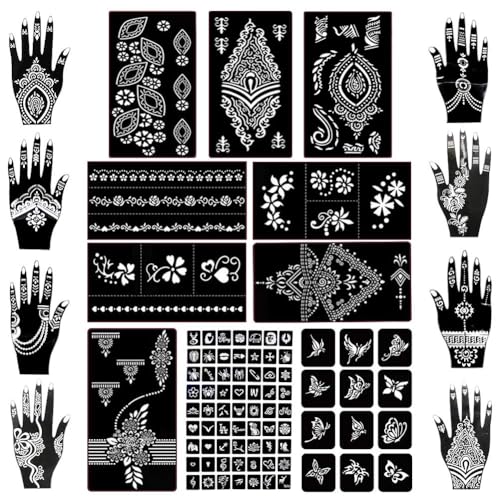
97 HENNA TATTOO DESIGNS IN 18 SHEETS:Includes 8 hand stencils, 8 rectangle flower pattern sheets, and 2 small pattern sheets. Features butterflies, flowers, roses, mandalas, paisley, and traditional Indian/Arabian mehndi designs. Perfect for creating stunning body art for weddings, festivals, and summer celebrations.

Package: Only 14 Sheets 3 layers PVC henna hand stencils, Washable and Non-Toxic. Ink is not included
7. Foot Tattoos
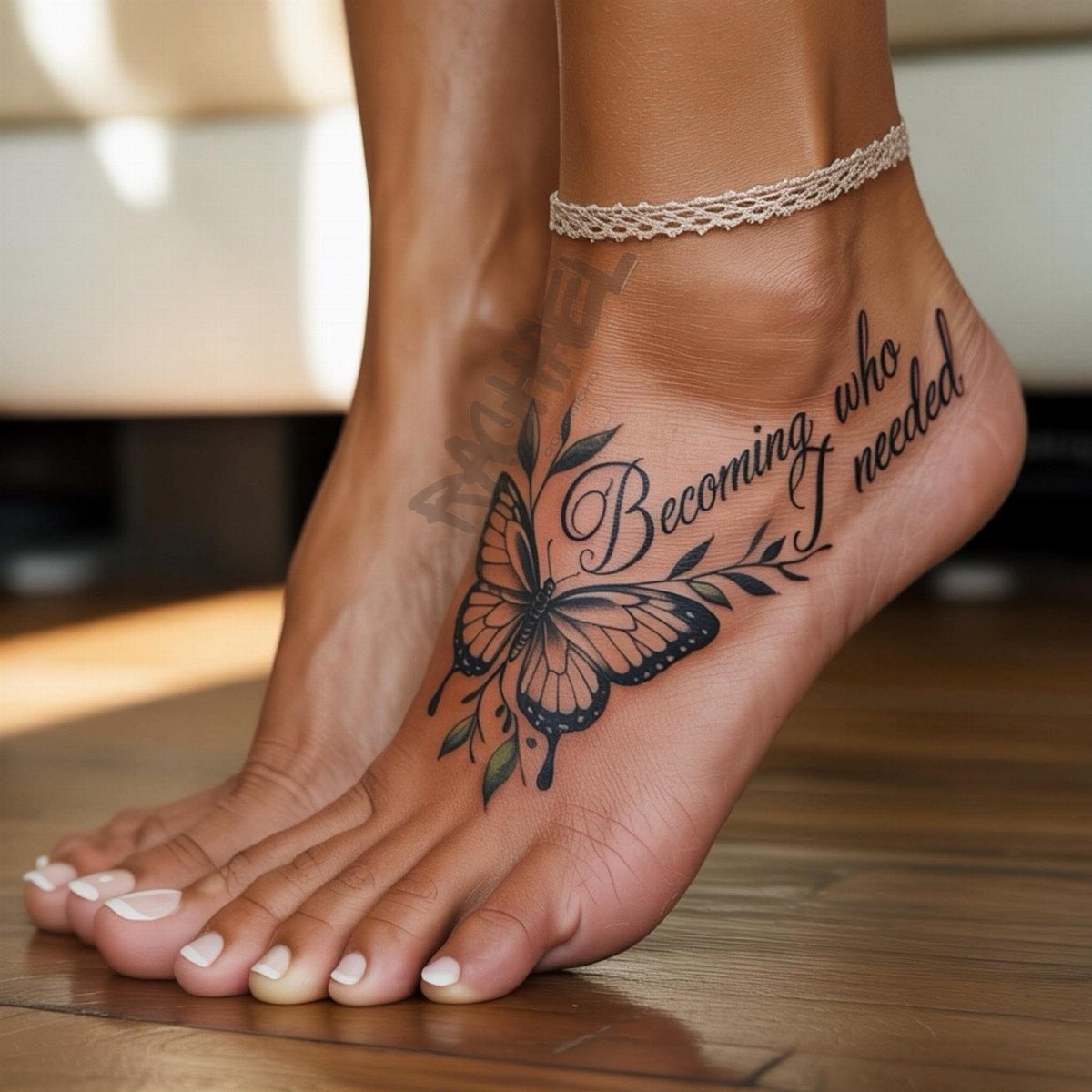
A butterfly on the foot reads differently than one on the shoulder. It moves with you, visible in sandals and hidden in sneakers, which matters when your office has rules you did not write.
Needle hits bone fast on the foot, and you feel every second of it. Floral designs and short script are the usual choices; the space is narrow and curves with each step.
Healing means staying out of closed shoes until the swelling and scabbing pass, so summer timing beats winter. Summer worked better for me than winter, since healing means staying out of closed shoes until the swelling and scabbing pass.
Socks, shoes, and pavement all work against the ink; the lines soften faster than on fleshy spots. Touch-ups every few years are part of the deal, not a surprise.

💋[SUPER VALUE PACKAGE] - Super value pack of 72pcs ear piercing gun kit. This disposable ear piercing kit includes 24pcs self piercing gun + 24pcs built-in earrings studs + 24pcs clean tools. Each unit includes a ear piercing gun with a built-in ear stud.

What's Kit Included: Complete tattoo machine kit comes with everything you need to get started and then some, from the stencil printer to tattoo cartridges and practice skin. 1 tattoo stencil printer, 1 adjustable stroke tattoo machine, 10 tattoo needles, 10 transfer papers, 2 practice skins, 40 ink cups, 2*15 ml black tattoo ink, 2 dental bibs, 3 tattoo stickers, a pair of gloves and a easy to carry case.

1‑Year Warranty – Open the Box and Start Right Away: This tattoo kit includes a lightweight wireless tattoo gun, 2pcs 1200mAh rechargeable batteries, 20 cartridge needles with finger ledge, and 10 tattoo inks; You also get a practice skin, 2 transfer papers, 40 ink cups, and other essentials to begin practicing immediately; For tattooing on human skin, we recommend using Wormhole Pro Series ink for better, safer outcomes; Plus, enjoy a 1‑year warranty for peace of mind; Just unbox, charge, and start your first lines on fake skin
8. Thigh Tattoos
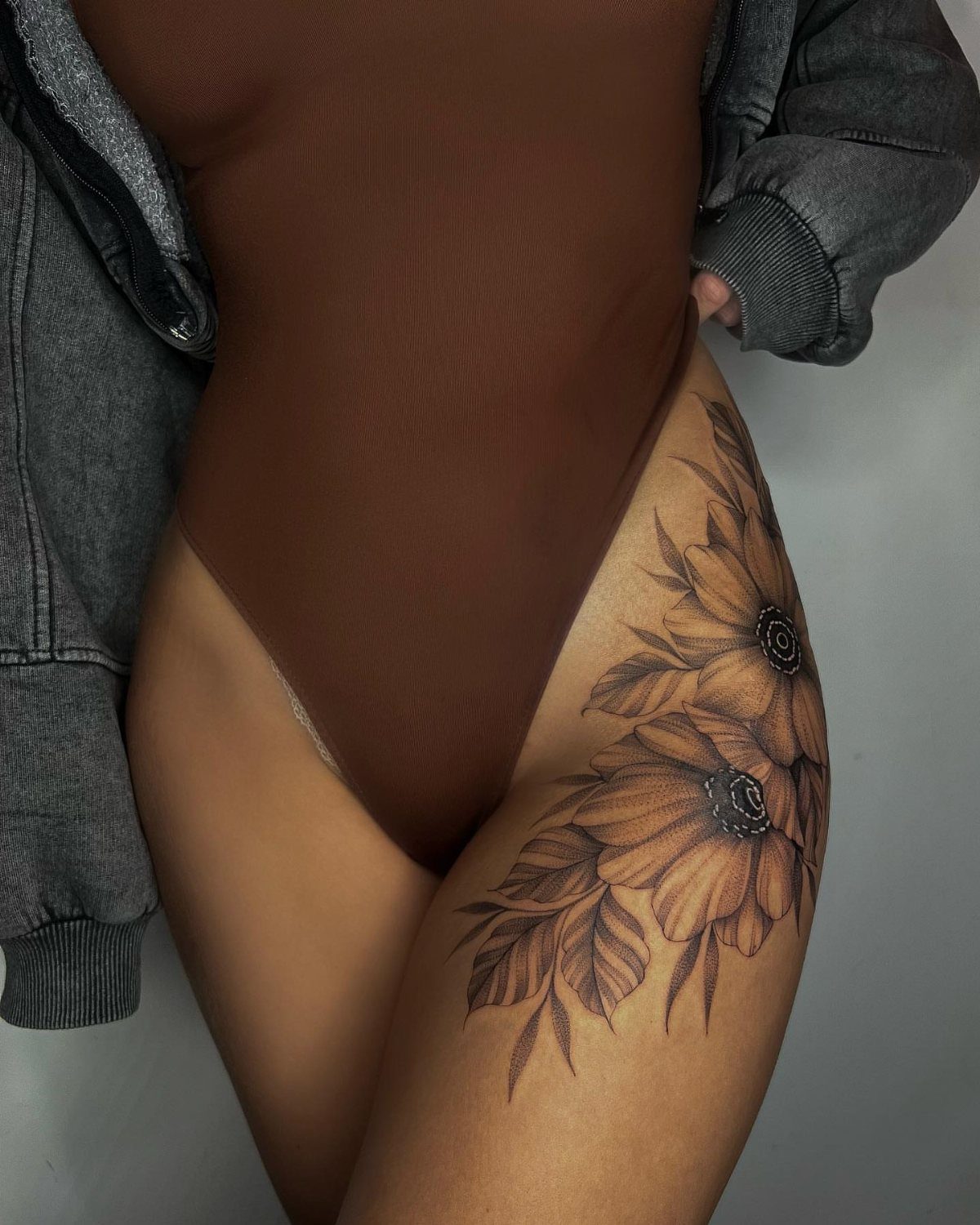
The thigh holds a full garden without crowding. Sunflowers, peonies, or a full sleeve of botanical work all fit, and a skirt or shorts length controls who sees it.
The muscle underneath cushions the session, so most women sit through it without a break.
Upper outer thigh hurts least; inner thigh, closer to bone and nerve, asks more of you. A bodysuit or high-waist cut frames the work when you want it seen.
The beach reveals it. That control is why women who need discretion for work often start here.
I would plan the shape around how you actually dress, not how you imagine dressing.

SELECT BETWEEN MINI FINGER TATTOOS AND LARGER KNUCKLE TATTOOS: Each pack features a full alphabet set of iconic letter tattoos plus traditional style decorative designs including hearts, crowns, and classic tattoo motifs. Mini Finger Tattoos is a pack of 10 sheets of mini letters, letters = 1/4" Knuckle Pack is a pack of 2 sheets of 1/2" letters plus 2 sheets of 10 traditional style tattoos sized to fit on knuckles. large Knuckles sheet measures 9" x 5" - knuckle art sheet measures 2" x 5" Pack contains 2 of each sheet shown.

This stunning set includes 2 of our best-selling tattoo packs, a mini spray bottle for water, and a sponge for application. Discover the world of INKED, and give the perfect gift. Temporary Tattoo Set includes: -Finger Tats Pack -Self Love Pack

Gangsta and Prison Mini Tattoos for Finger, Face, Neck to make you look más duro.
9. Ribcage Tattoos
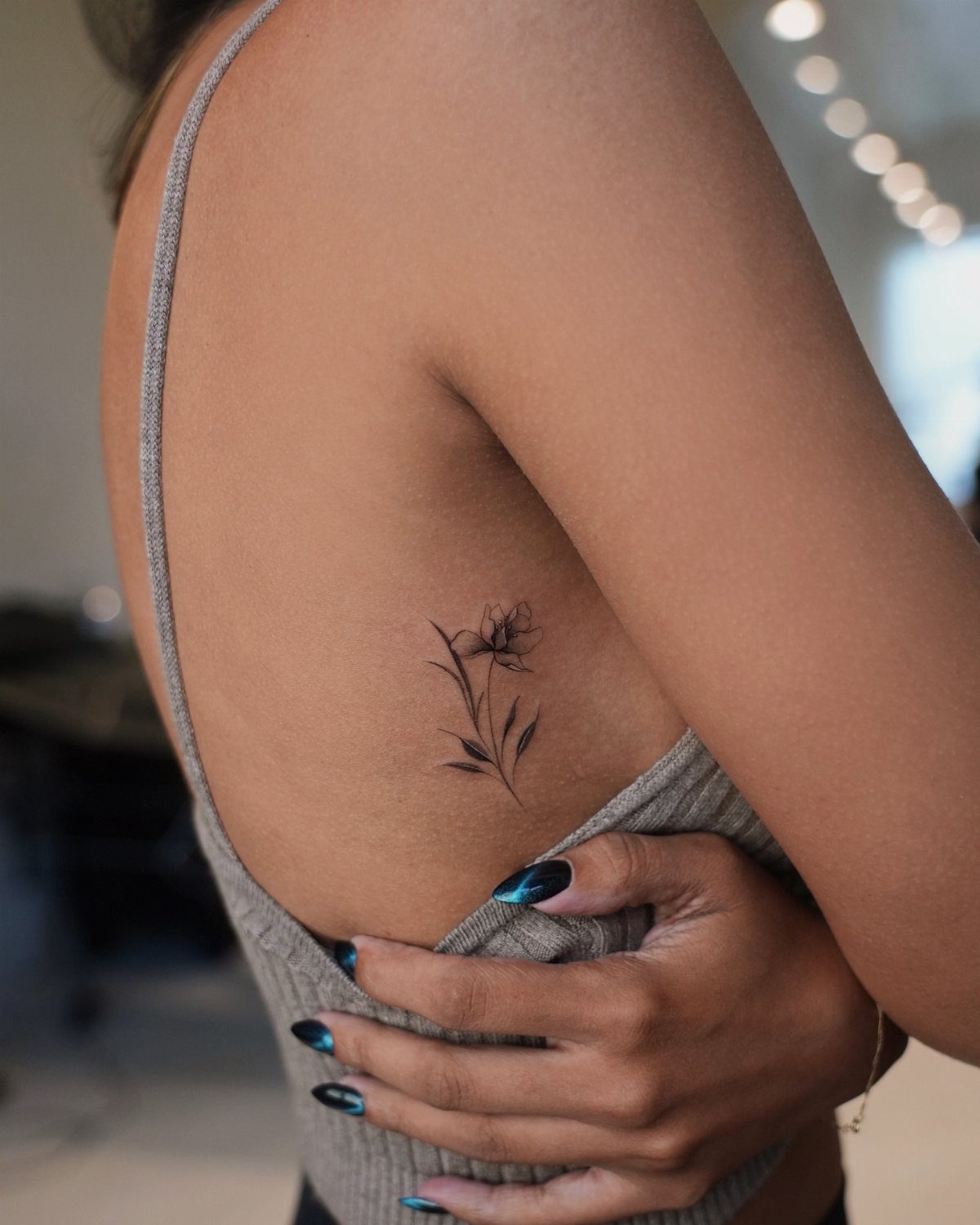
The ribcage keeps a tattoo close to your own breath. A small cluster of flowers there, or a line of text following the curve, feels private in a way that arm placement cannot match.
Weight change and pregnancy shift the skin here more than on your ankle or wrist.
A design that depends on exact spacing may distort; something organic, that can bend with you, ages better. The bone is close and the skin thin, so the session asks for stillness.
A knit top shows a hint; a fitted tee hides it completely. That range is the point.

Premium Quality 1.5mm Silicone Material – Crafted from premium 1.5mm thick silicone, this tattoo skin offers a true-to-life feel with excellent durability and a smooth surface for effortless needle movement during practice.

Flower Branch Tattoos for Women: There are 24 sheets 3D Black sexy and fresh with different designs tattoos in one package,each piece is 2.36*9 inch,including black sketch flower branch butterfly rose tattoos,which look sexy and mysterious,suitable for women who want to try fresh style and body art

🌼 Beautiful Hand-drawn Fine Line Style Tattoos - Black and White Fine Line Flowers, Roses, Branch, Butterfly, Arrows, Hearts, Stars
10. Upper Arm Tattoos
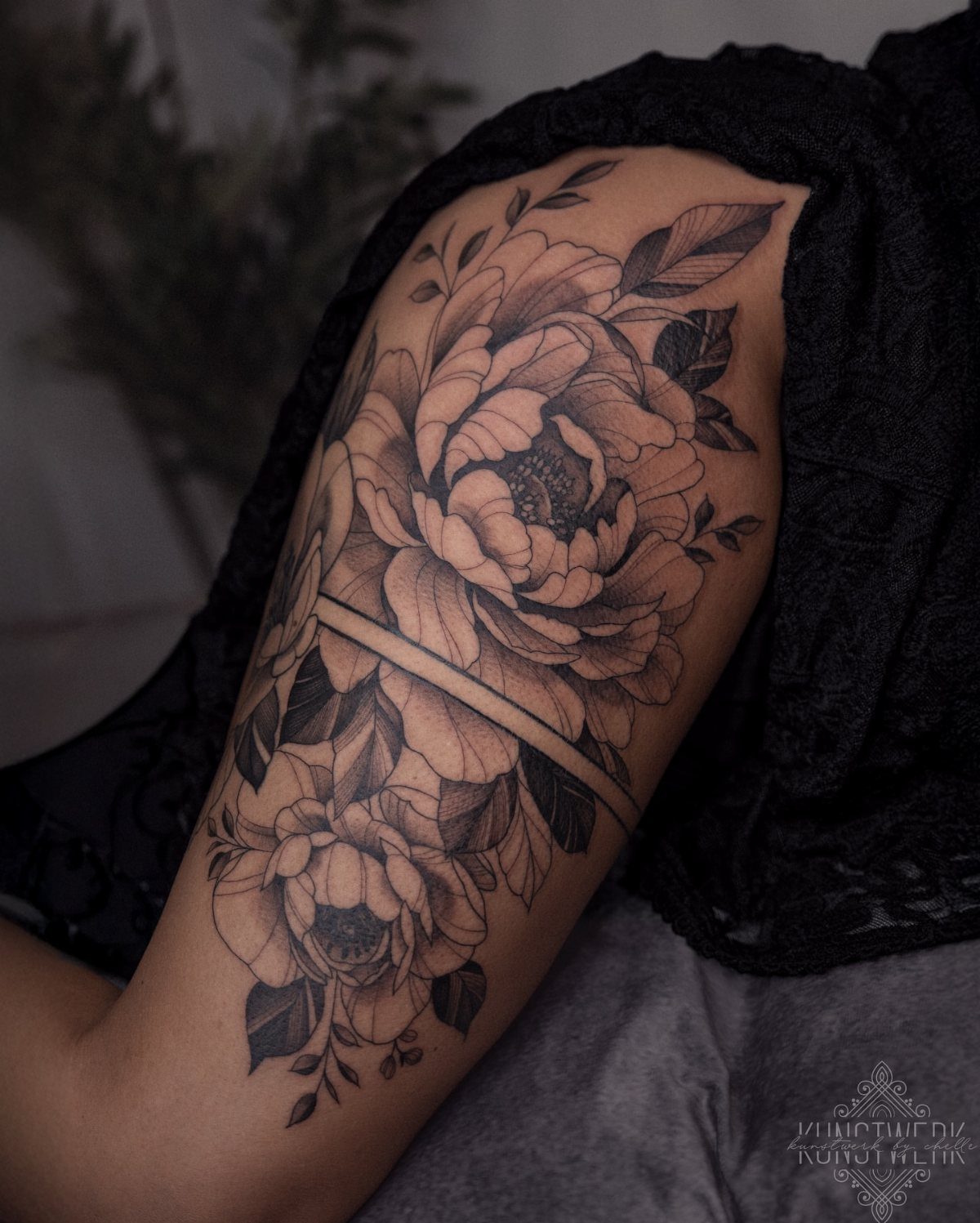
The upper arm is where most women start when they are not sure where to start.
A peony, a geometric frame, or a name in script all sit well on the flat muscle of the outer bicep, and a T-shirt covers it without thought.
Less bone means less pain than the ankle or the ribs.
Sessions run shorter because the artist works on stable skin without fighting curves or creases. The space fits medium detail; too small and it gets lost, too large and you are committed to a half sleeve.
I like that it moves with you into a tank top or stays quiet under a blazer. That flexibility suits a first piece.
Vibrant Assortment for Versatile Styling: You will receive 10 pairs of socks, each featuring a distinct floral pattern and a variety of color designs. This collection allows you to coordinate with different outfits, adding a touch of elegance to your look with diverse and charming styles for your feet

WRAP-AROUND FLAME ART: Features a bold, horizontal band of stylized rising fire lick designs with clean outlines and dense stippled gradient shading. This liquid-style blazing motif is crafted using a digital hand-drawn fine line tattoo ensures crisp lines and flawless gradient shading to mimic natural fire movement while wrapping perfectly around curved limbs.

Complete Temporary Tattoo Ink Kit - Includes 20 bottles (12 colors) of tattoo ink, featuring 3* Black,Red,Brown,2* Dark Red,Navy Blue, 1*Purple,Green,Orange,Pink,Blue,Dark Yellow,Dark Green for versatile tattooing.147 pre-designed tattoo stencils (18 sheets) for inspiration. One pack of cotton swabs and 6 packs of disposable gloves.
11. Sternum Tattoos
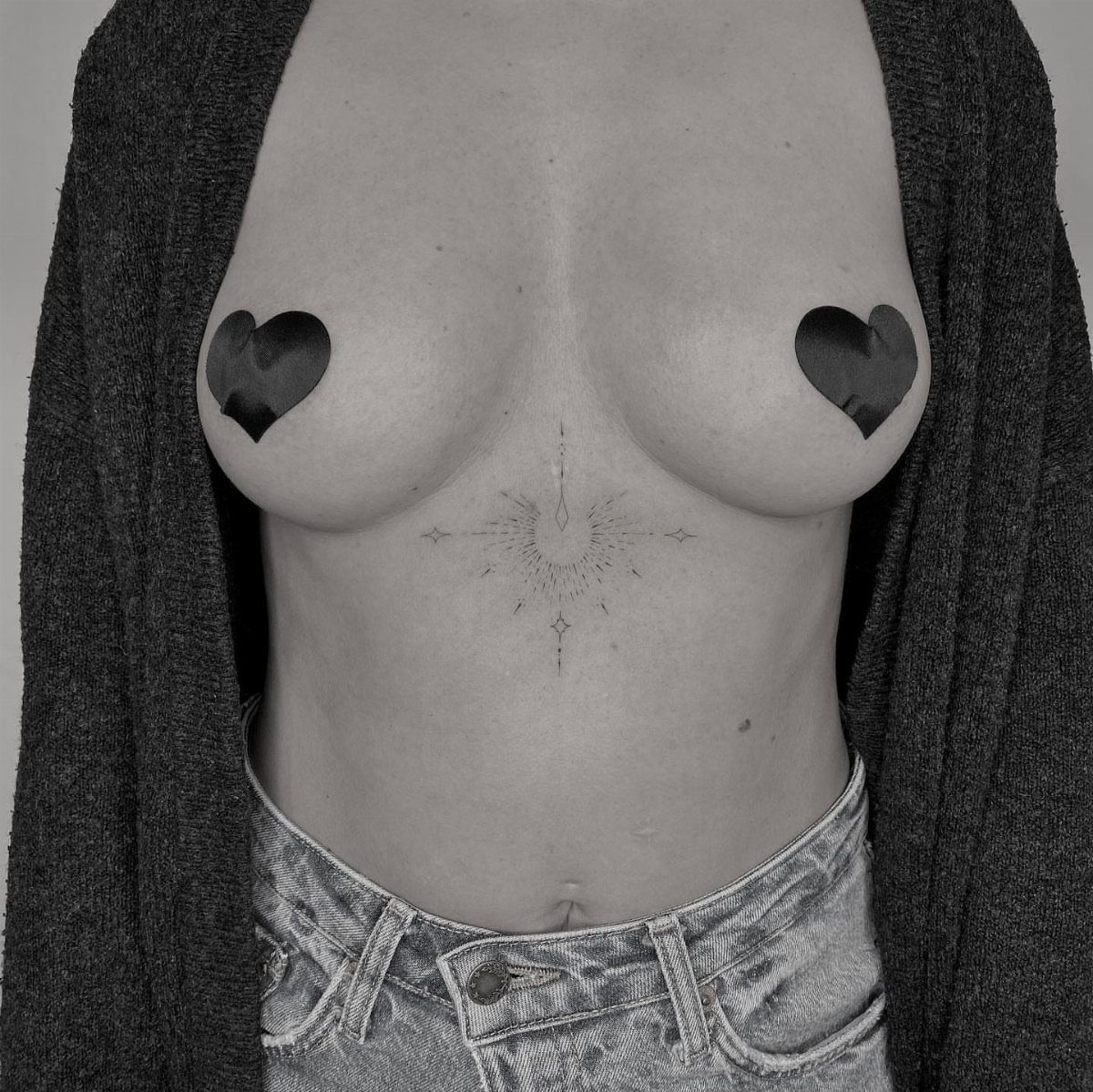
The sternum draws the eye to center. A sunburst, a mandala, or lace-worked geometry all gain symmetry from the bone beneath them, and an open cardigan frames the work without full exposure.
The sternum sits right on the breastbone with almost no padding, so the buzz of the machine travels straight through the chest.
Sessions divide into shorter passes for a reason. A design that runs too wide fights the natural curve; something vertical, or contained within the central space, keeps its shape as you move.
Heart-shaped pasties or tape handle modesty during the session. Most shops have worked this out already.
The result reads as both discreet and deliberate, which is a hard balance to find.
12. Spine Tattoos
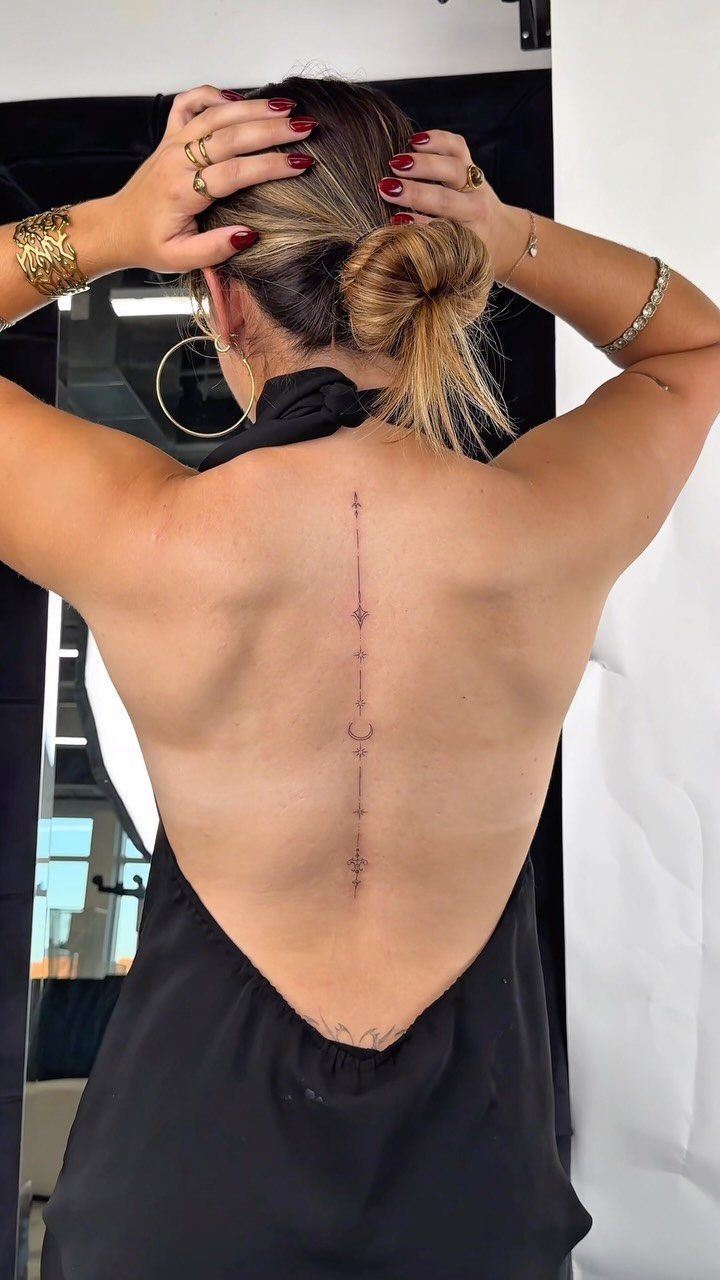
A line of stars, a crescent moon, or ornamental geometry down the spine follows your own architecture. The vertical space suits script read in a mirror, or a design that draws the eye from the neck to the lower back.
The bone is direct under thin skin, so the session is not short and not comfortable.
Most artists work in segments, letting you breathe between passes. An open-back top or a swimsuit reveals it; everyday clothes hide it without effort.
Long hair covers the upper reach when you want quiet. Held up, the tattoo becomes the whole statement.
I would keep the linework fine. Bold ink can age heavy on this canvas.
13. Chest Tattoos
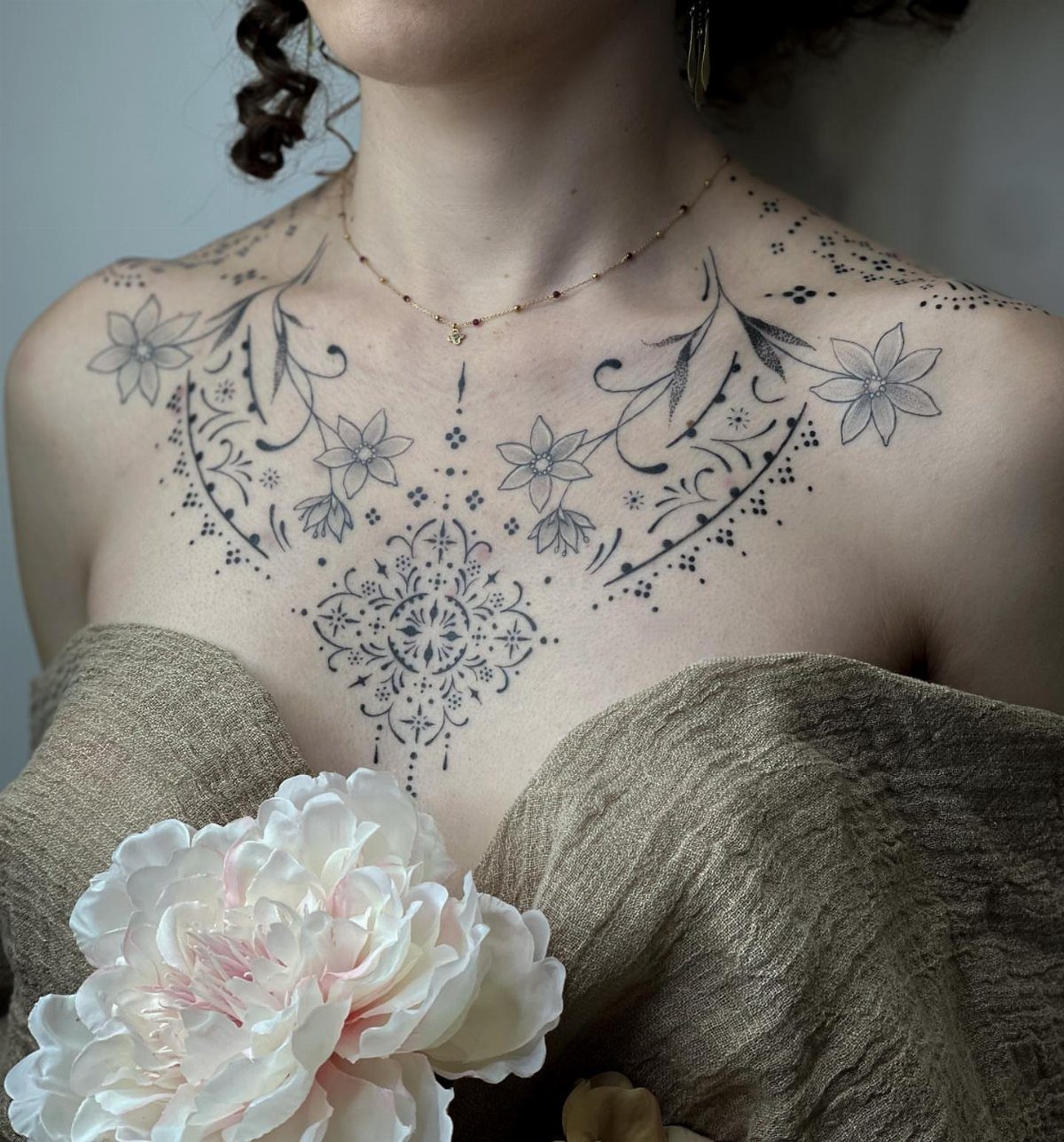
A chest piece spreads across the body like fabric, following the natural slope from shoulder to shoulder.
The flat planes above the breastbone hold mandalas, blooming flowers, or lace-worked dot-work with room for real detail.
A strapless top reveals it; a crewneck makes it vanish. That control is why women who need flexibility choose this spot.
The bone sits close beneath thin skin, so the session runs long and the needle feels sharp.
The chest sits flat while you work, so artists usually break the session into shorter passes and have you sit up between them to breathe.
A design that stays central keeps its symmetry; anything that wraps too far toward the armpit distorts with arm movement.
I would keep the shape horizontal and let the collarbones frame it like a shelf.
14. Neck Tattoos
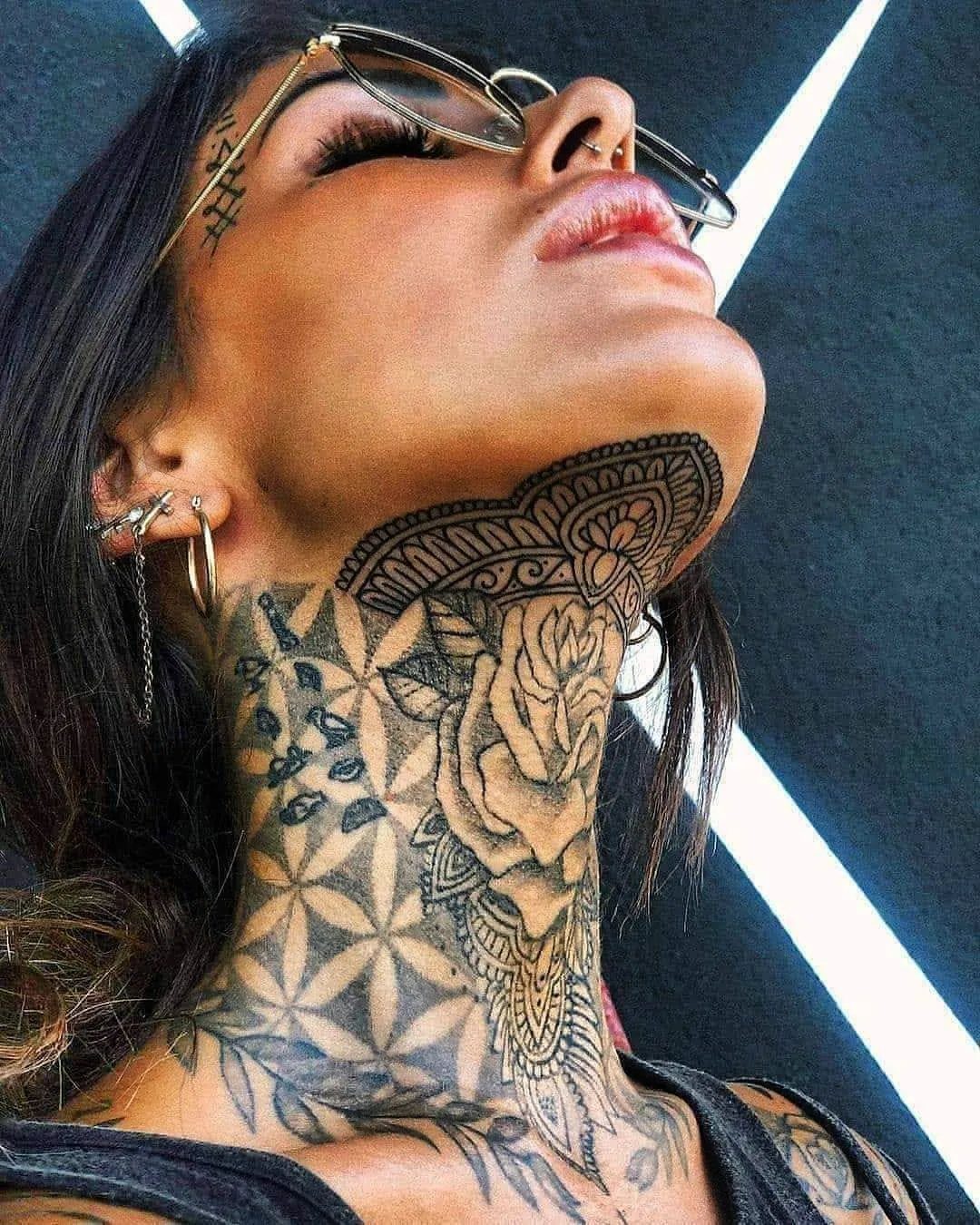
The neck is the last place you can still hide, and the first place everyone looks.
The nape, just below the hairline, fits a small symbol or a short line of script that a ponytail covers or releases.
That is the version most women actually live with. Lower on the throat, ink becomes a statement you make every day; there is no rolling down a sleeve.
Skin here is thin and the bone immediate, so the buzz travels into your jaw and the session tests your stillness. Script along the spine of the neck reads clean; across the throat, it needs bolder lettering to age well.
Office rules still matter in most fields. I would start at the nape and let habit tell me whether to move forward.
Pain Level Considerations
Pain sits on a spectrum, not a switch. The outer bicep and upper thigh carry enough muscle and fat that most women handle a session without a break.
Armpits, shins, kneecaps, and the head hurt the worst. I have not met many women choosing those for a first piece, and that is probably the point.
Numbing spray exists if you are committed to a painful spot; the brand I see mentioned is Electrum Numb Anesthetic Spray, though I have not used it myself and cannot speak to how well it holds through a long session.
For a first tattoo, the outer arm or thigh lets you learn what the needle feels like without fighting through the hardest hits. You can always move toward the ribs once you know your own tolerance.
Visibility and Professional Considerations
Visibility is not just about showing off; it is about control. Some spots hide under work clothes and emerge on Saturday; the real question is how much control you need over who sees what and when.
A hidden tattoo adds nothing to your professional life, for better or worse. A visible one, even a small one behind the ear or on the wrist, becomes part of how coworkers read you.
Some fields still lean conservative: law, finance, medicine in certain institutions. A tattoo you cannot cover in under a minute is a tattoo you live with in every meeting.
The social piece is real too.
A visible piece starts conversations, which suits some personalities and exhausts others. If you are private by nature, starting on the thigh or ribcage lets you choose disclosure rather than manage reactions.
My reading of that: a single tattoo may read differently at a family dinner than at a concert, and placement is how you navigate both without apology.
Frequently Asked Questions
Where should a small tattoo be placed on a woman?
A small piece settles nicely on the wrist, ankle, or behind the ear, spots where the skin stays flat and the detail reads clean from a few feet away.
The skin stays relatively flat in those spots, so fine lines hold their shape, and a small piece does not get lost on a larger canvas.
Hair or a bracelet can hide these when you want quiet. I would avoid the fingers for a first small tattoo; the space is narrow and the fade comes fast.
What’s the best tattoo placement for a first tattoo?
For a first session, the outer upper arm or upper thigh gives you room to figure out how your body takes the needle without walking into the worst of it.
Muscle there means most women last the full session without tapping out, and a T-shirt or pants hides either spot for the office.
Once you have sat for one and know where your line is, ribs or spine become fair game.
Do tattoos hurt more in certain spots?
Yes. Ribcage, spine, feet, and neck have bone right under thin skin, so the vibration runs deeper and you earn the piece by holding still.
Armpits, shins, and kneecaps rank among the worst, which is why few women choose them for a first piece.
Which tattoo placements fade the fastest?
Hands, fingers, and feet fade fastest from hand washing, sanitizer, sun, and the constant rubbing of socks and shoes.
Lines there soften faster than on padded areas like the thigh or upper arm, so plan on a touch-up every few years and build that into your budget.
Plan on bolder lettering and simpler shapes in these spots so the blur matters less.
What does the tattoo healing process look like?
Healing depends on where the ink sits. Spots that rub against clothing or bend constantly, like fingers and feet, scab more and need longer care.
The shoulder fights bra straps and backpack loops; the ankle heals easier in winter when tights and boots are not rubbing. Sun and moisture slow things down too, so cover fresh work and keep it dry.