Body tattoo design runs from a flash sheet pick to a multi-session geometric back piece that needs numbing cream and 3 weekends.
The deciding factor is how much your skin and your calendar can take in one sitting, not how bold the idea looks on paper.
Every design below comes with a real material or healed-stage detail you can verify with your artist before the needle starts.
1. Black & Gray Tattoo Design Styles
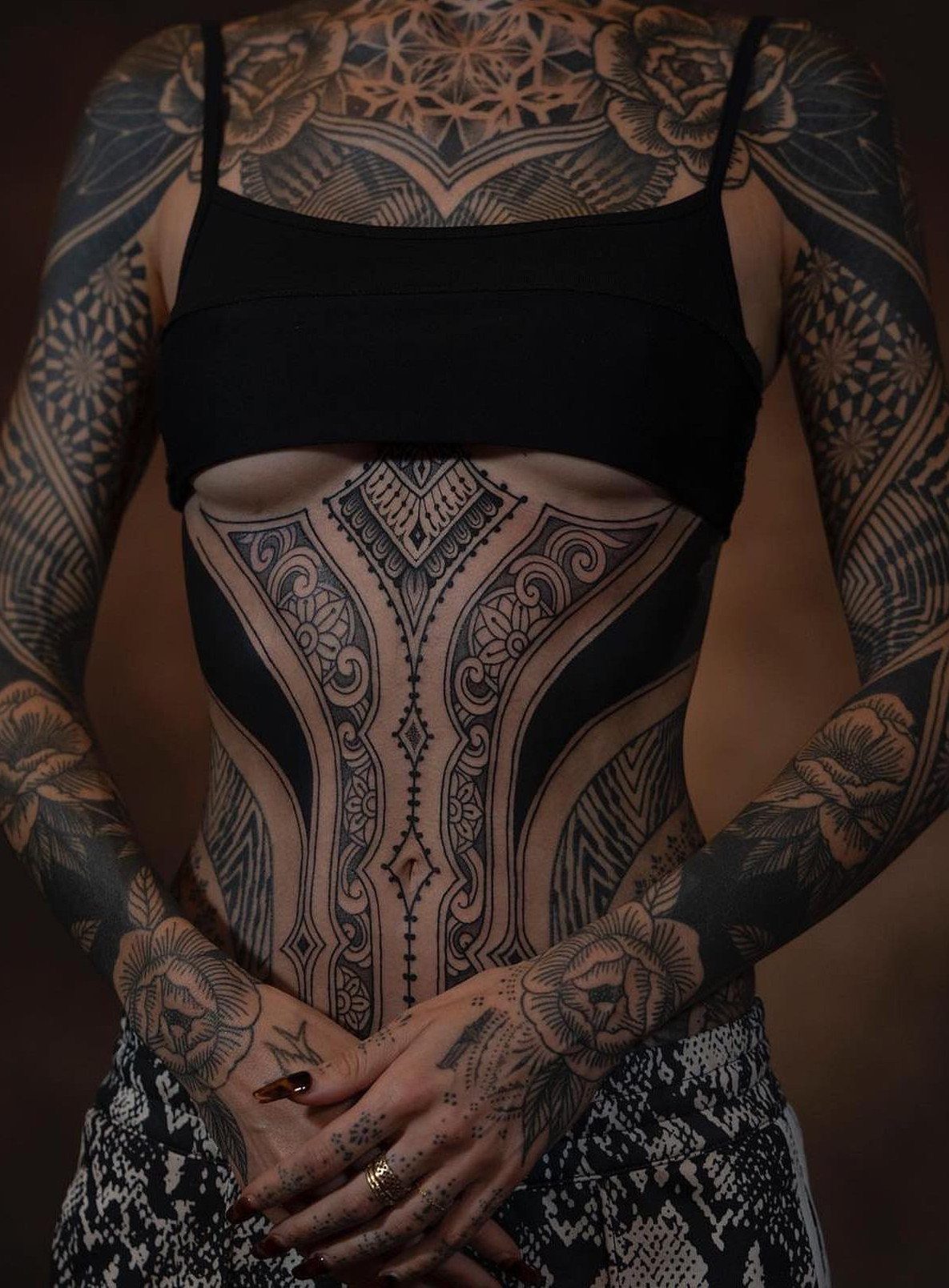
Black and gray work covers most of what you will see in a shop, and for good reason. The style ages better than color on most skin tones and budgets, since touch-ups run cheaper than a color refresh.
Japanese, fineline, old school, hyperreal, and micro styles all translate into this palette, so your choice is more about line weight and shading depth than about adding ink.
I would pick fineline for a first piece, though the thin lines heal faster and show every wobble if the hand is not steady. Ask your artist to show healed photos, not fresh ones, before you commit.

MADE IN THE USA SINCE 1990: For over 30 years Dynamic Color has produced professional tattoo ink in the United States, an established American brand artists built their work on long before most imported labels existed.

Light medium and dark greywash shades cover the full range needed for smooth shading transitions and layered depth in black and grey work

MADE IN THE USA SINCE 1990: For over 30 years Dynamic Color has produced professional tattoo ink in the United States, an established American brand artists built their work on long before most imported labels existed.
2. Tattoo Visualization on Body Parts

Trash polka pairs photo-real elements with graphic splatter and halftone dots; the forearm is a natural fit for its high-contrast energy. The Roman numerals mark specific dates, which means this design carries personal weight you cannot borrow.
Before you try something similar, check whether your artist has done halftone shading healed, not just fresh, since those dots spread and blur if the needle depth is off.
The red in this piece will fade to pink fast enough that you should plan your touch-up budget now, or skip the risk and go all black.
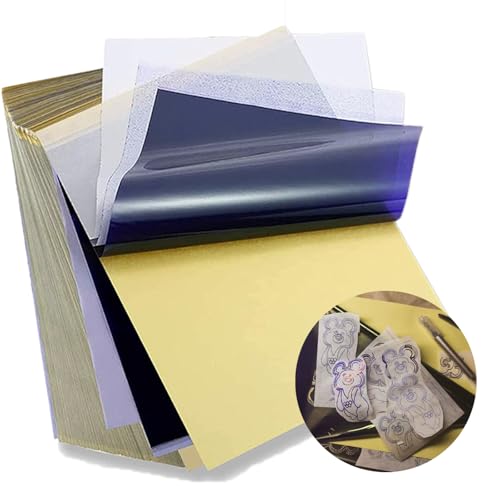
Standard size: Tattoo Transfer Paper is standard A4 paper size, each measures 8.27 in X 11.69 in. There are 4 levels in total. The thickness of the paper is very light and smooth to the touch.

Warm Tips: The tattoo transfer paper need to work with transfer medias.You will need to purchase the stencil ointment separately. Apply the design made on the master paper. Please pay attention to press the back side of the pattern to the skin for at least 3 seconds

Spirit Tattoo Classic Thermal Transfer Paper, 8.5” X11” (100 Sheets): Established since 1946, the original and trusted choice of tattoo artists globally, offering reliability and consistency in tattoo stencil creation.
3. Vibrant Color Tattoo Designs

That peony holds its color because the artist packed solid turquoise with no skin showing through. Vibrant color needs this density, which means more needle passes, more swelling, and a longer heal than black and gray.
Budget for a larger sitting fee, since color work moves slower. Check your artist’s portfolio for healed blues specifically, turquoise is notorious for dropping out on darker skin tones or healing to green.
If your heart is set on this shade, bring healed photos to the touch-up so the artist can match the color once the stencil is long gone.

Clean, Flawless Transfers: Your artwork will look so clean once transferred to the skin with the Stencil Stuff gel! Gentle on the skin, Stencil Stuff transfer solution helps you achieve clear and sharp tattoo stencil transfers every time!
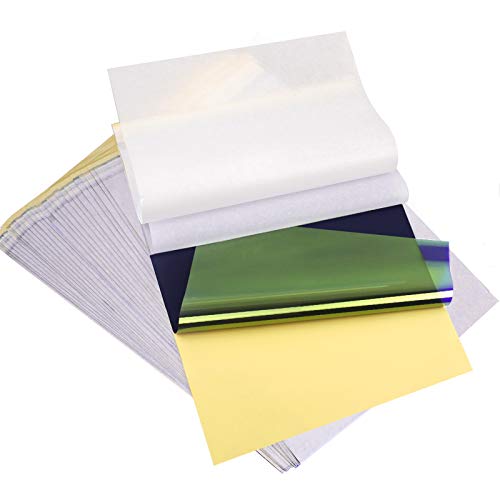
ADVANCED MATERIAL: Tattoo transfer paper is made with the high quality dyes and stencil paper. Transfer marks are very clear, clean and smooth. Tattoo transfer paper kit come with 35 sheets. Great for tattooing, trace and transfer images onto the body.<br>
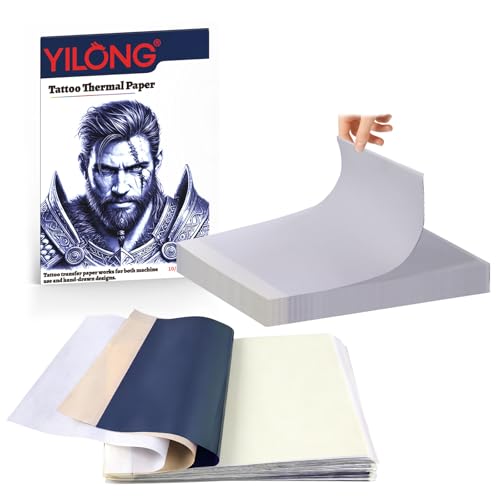
【4 Layer A4-sized Stencil Transfer Paper】- 10.9*8.4 inch tattoo transfer paper features four layers: a protective layer, design layer, release layer, and a yellow backing layer. The white master sheet is for design application, with a removable translucent protective sheet (needs to be removed before use), blue carbon paper, and an additional backing layer for enhanced stability. It's fade-resistant, easy to use with a thermal copier or ballpoint pen, making it convenient and user-friendly
4. Geometric Linework Tattoo
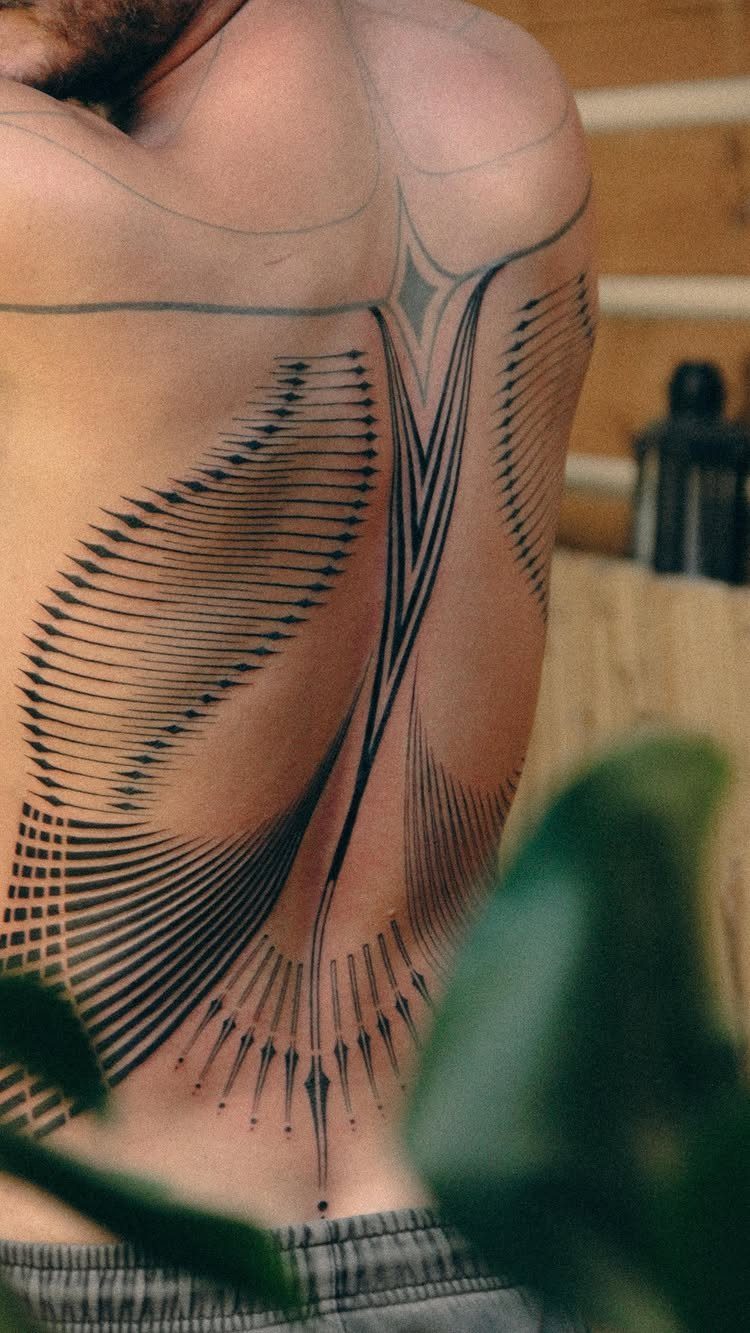
Geometric linework lives or dies on symmetry, and the back is the hardest canvas to keep still.
That faint stencil at the top means the artist was still working, the lines you see finished are crisp because the skin was stretched flat and the client held position.
For a piece this large, ask your shop about numbing options before you start, the spine and shoulder blades are tender and a long session turns shallow breathing into real movement.
I would book shorter sessions rather than one marathon; linework this precise goes numb after a while, and so does the skin holding still.

PREMIUM TATTOO INK – Many of the most popular tattoo artists around the globe turn to World Famous’ bold, beautiful inks to deliver a flawless work of art.

Amazing Product: Different from you know ordinary temporary tattoo stickers or fake tattoos. It is so real and comparable to the real tattoo. It is a semi-permanent technology, waterproof, friction-resistant, and can last for a long time, staying on your skin for 1-2 weeks.

Innovative Skin-Sync Technology: We don't just sit on the skin; we interact with it. By reacting organically with naturally occurring proteins in your skin's outermost layer (stratum corneum), our plant-based formula magically transforms from a transparent guide into a rich, ultra-realistic navy-black. It looks exactly like a healed, permanent tattoo—without the needles or depth.
5. Tattoo Stencil Flash Sheets
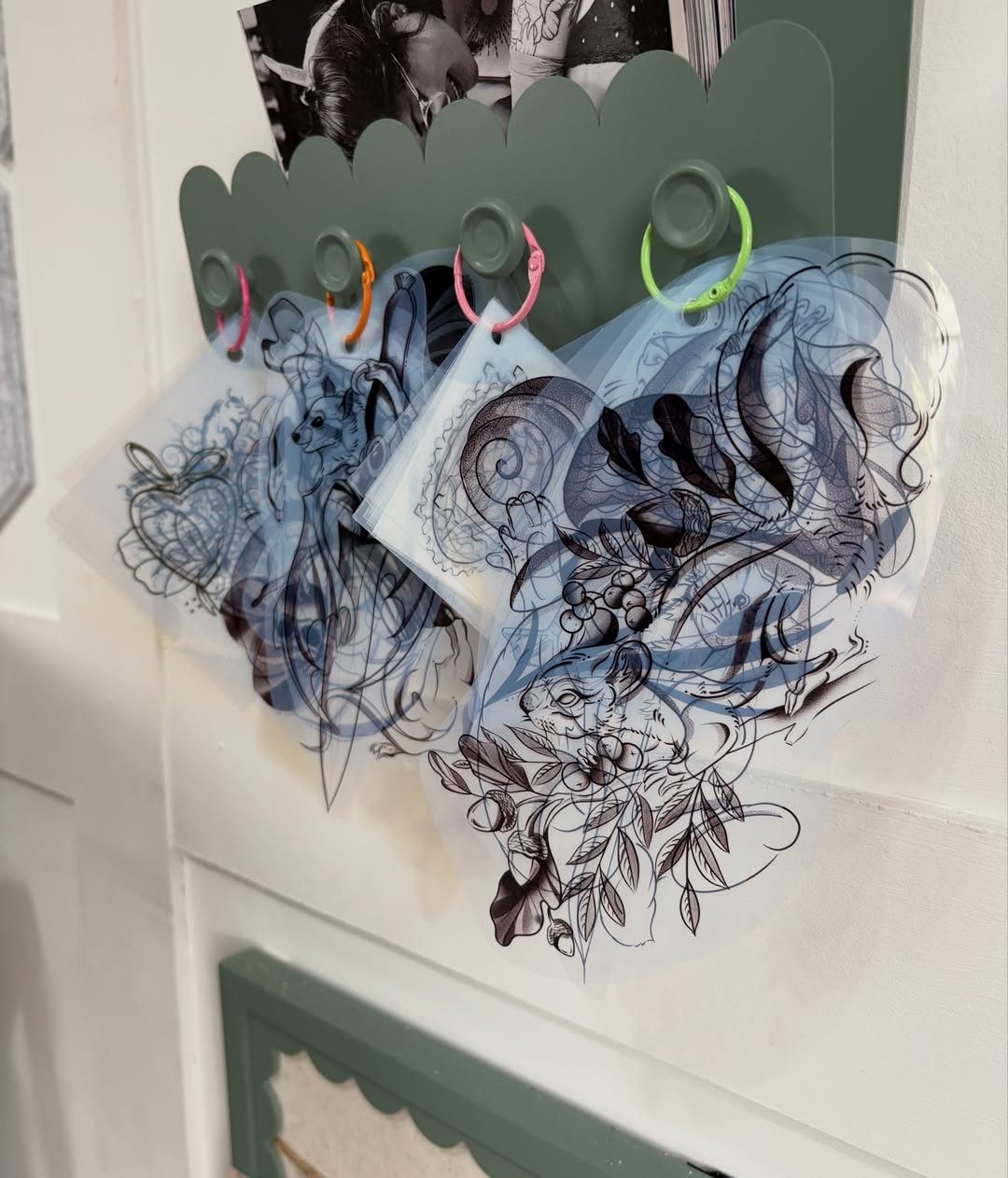
Flash sheets let you move a design from paper to skin without the cost of custom art. The translucent paper in these sheets is stencil paper, the same stuff your artist runs through a thermal copier.
Hanging flash sheets on rings keeps them flat and visible, a storage trick that costs pocket change at any office supply store.
If you are collecting designs this way, label the back with the artist’s name and date, copyright matters and a traced copy is still their line work.
Pick one piece per sheet, the crowded ones rarely translate to skin at scale.

Extra Strength, Long-Lasting Comfort – 2-Pack Value Set Our maximum strength numbing cream delivers hours of effective relief* to help soothe skin discomfort. Each 10g tube is perfect for single sessions or travel, giving you two portable tubes for convenience and value.

Fast-absorbing formula delivers lasting comfort for hours* without greasy residue. *Individual results may vary.

Long-Lasting Comfort Formulated to deliver extended soothing relief for targeted external areas, helping you stay comfortable throughout the day.for local and anorectal areas
Frequently Asked Questions
What are popular tattoo styles?
Black and gray, Japanese, fineline, old school, hyperreal, and micro styles are the ones I see most often in shops.
Black and gray sits at the top for practical reasons: it fades evenly on almost every skin tone, and touch-ups run cheaper than color.
For a first piece, fineline wins on recovery time, though the thin line will show any small wobble rather than hide it.
How big is a $3,000 tattoo?
A $3,000 piece might cover your whole forearm in one city or buy a palm-sized portrait in another; hourly rates swing from $150 to $500, so size at that price is anyone’s guess.
What I can say from the piece is that color work moves slower and costs more per session than black and gray, so your budget buys less area if you want packed turquoise or dense shading.
Ask your artist for an hourly rate and a time estimate before you book.