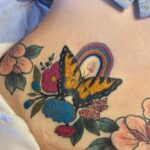
These 11 fine line tattoo placement ideas run from a quick seasonal accent you hide under socks to a rib piece that costs real comfort and real meaning.
What settles the choice is whether you want to see the work yourself every morning or only when you choose to show it.
Fine line work fades fastest on the ankle compared to any other spot, which is why the list starts there and moves toward the placements that actually hold.
1. Ankle
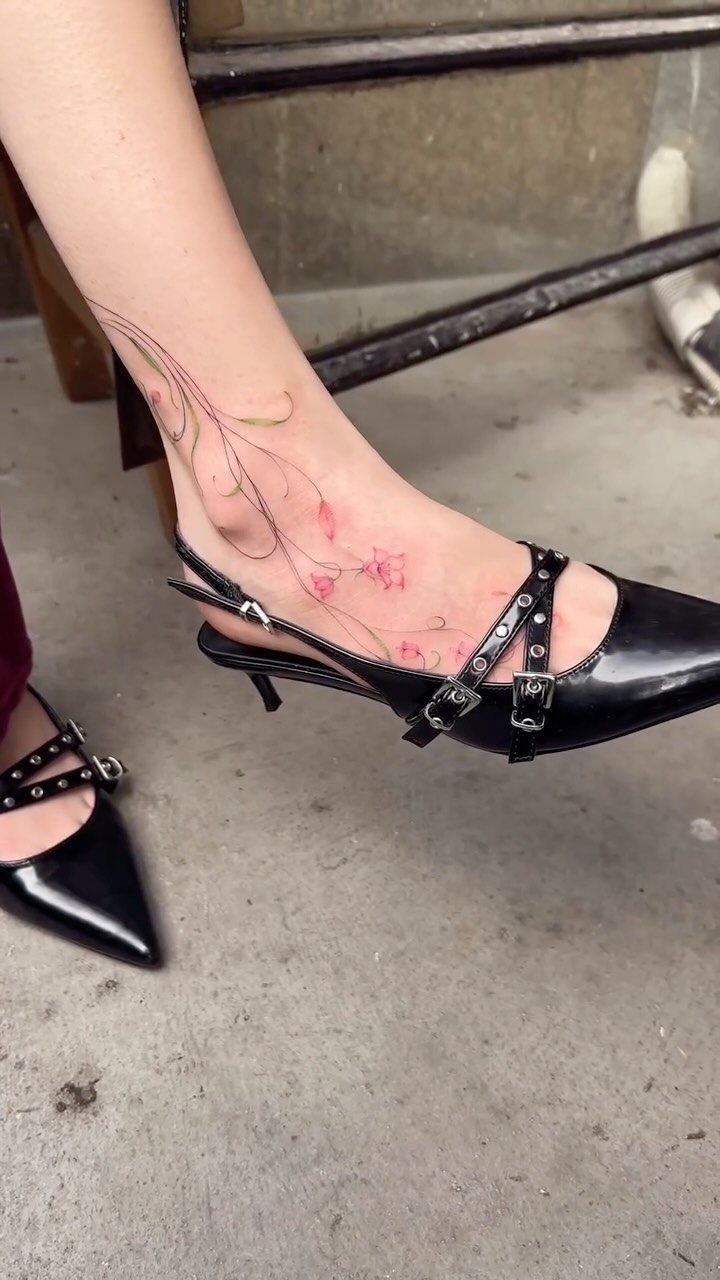
Ankle tattoos work best when you treat them as seasonal jewelry rather than permanent fixtures. A tiny floral or single initial sits pretty with sandals or heels, then disappears under socks the rest of the year.
Friction is the real problem here.
Shoes and socks rub this spot raw all day, and the skin traps more grime than most places on your body. I have watched fine line work fade fastest here compared to any other spot.
If you still want it, keep the design small and expect touch-ups. Go for something simple enough that a faded version still reads.
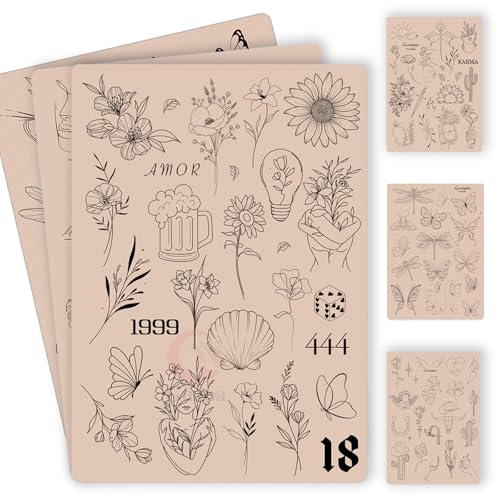
100+ Pre-Printed Designs – Features a wide variety of fine line and tiny tattoo stencils to enhance detailing skills.

Premium Quality 1.5mm Silicone Material – Crafted from premium 1.5mm thick silicone, this tattoo skin offers a true-to-life feel with excellent durability and a smooth surface for effortless needle movement during practice.

2. Inner Arm
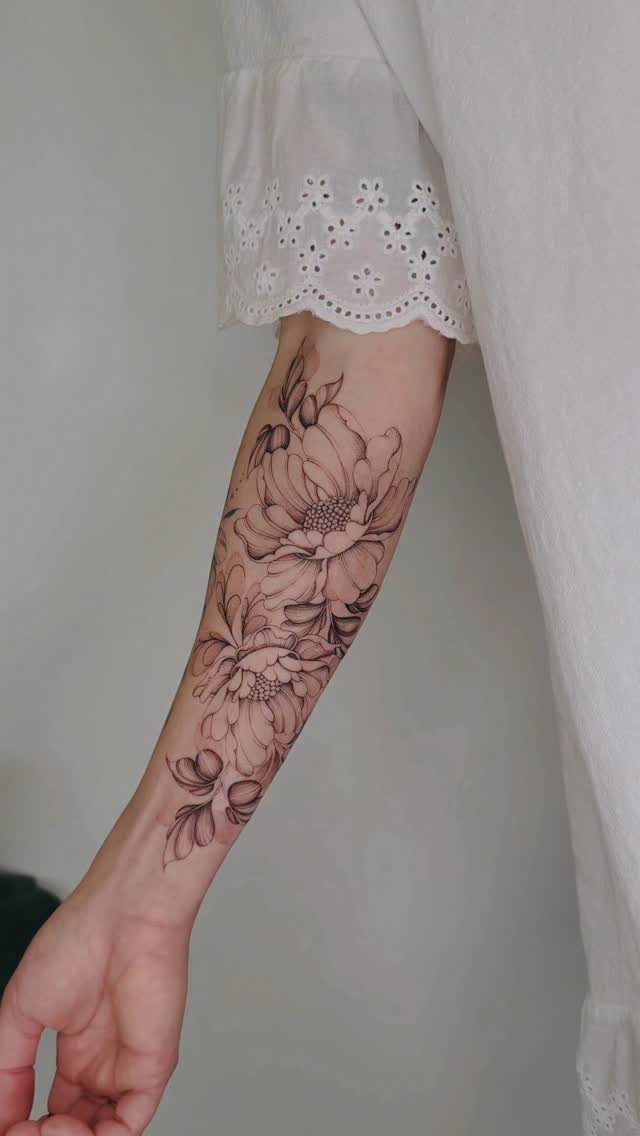
The inner arm gives fine line work its best shot at staying crisp.
Sun stays off it, clothes do not rub it raw, and the skin does not stretch much over time. A longer word or a peony with breathing room fits here perfectly.
I like that you control the reveal. Sleeves down, it stays private.
Rolled up, it shows. That flexibility suits someone building a collection or testing how a first tattoo feels in daily life.
The forearm or up by the bicep both work. Pick based on how much space your design needs and how often you want to see it yourself.

Tiny Tattoo Practice Skin: the double-sided, easy-wipe, fine-line tattoo practice skins feature over 80 different stencil designs on the front and back of the skin.

🌼 Beautiful Hand-drawn Fine Line Style Tattoos - Black and White Fine Line Flowers, Roses, Branch, Butterfly, Arrows, Hearts, Stars
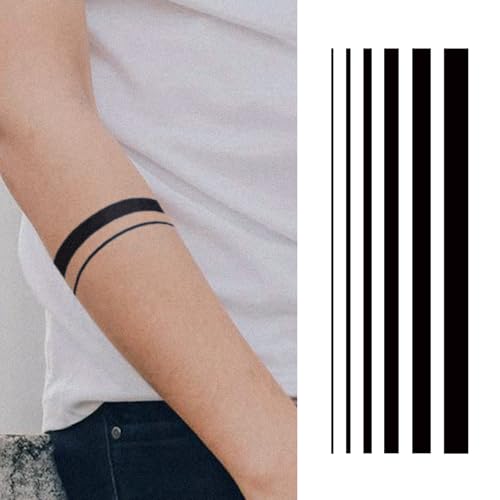
GEOMETRIC LINE & ARMBAND DESIGNS: Features a striking minimalist collection of continuous parallel lines engineered in varying stroke weights. This modern unisex set ranges from delicate hairline threads to bold solid blackout bands
3. Thigh
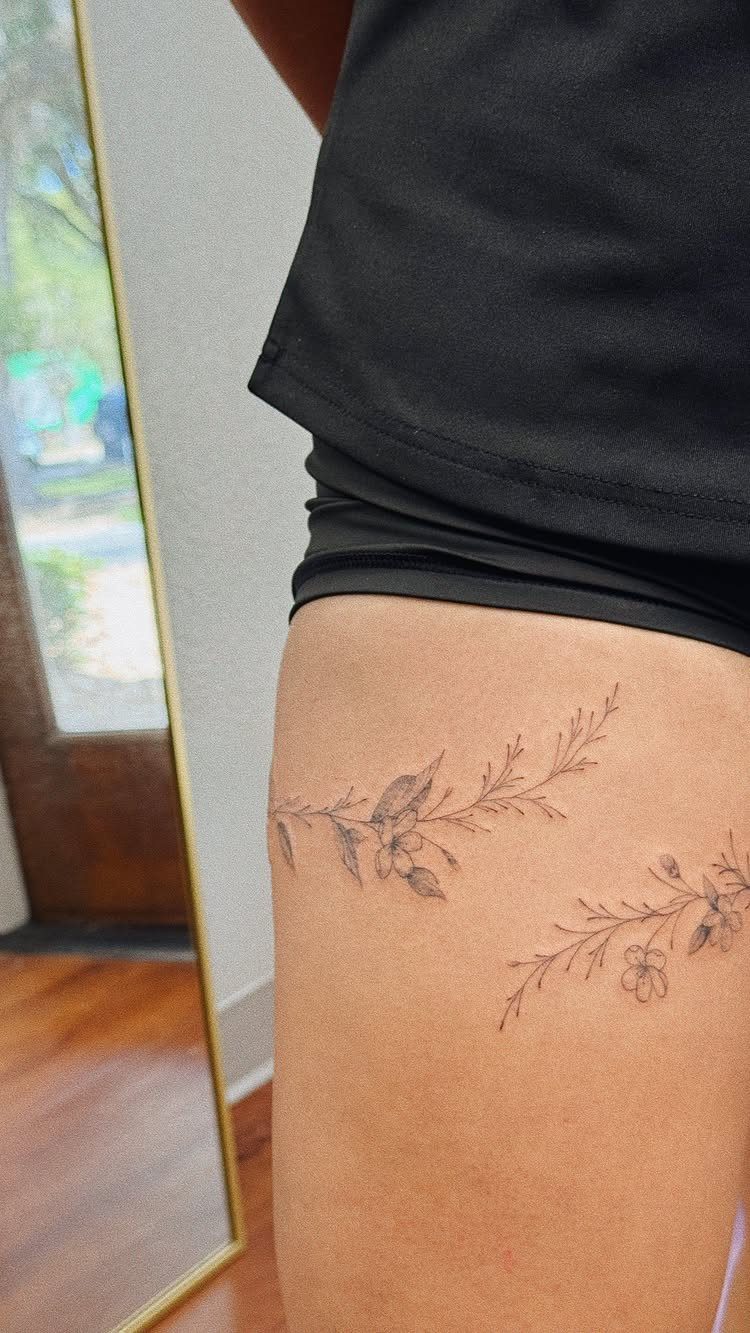
Thigh placement is where I send anyone nervous about pain or committed to a large piece. Thigh muscle cushions the needle, which keeps the pain low, and the flat skin gives branch or wraparound designs space to run.
Sun and friction stay away.
You hide it at will, show it at will. A floral piece that climbs toward the hip bone looks intentional in a way smaller spots struggle to match.
The downside is you cannot see it yourself without a mirror. You will need a mirror to check it yourself, and aftercare means loose shorts for a while.

🌷 Beautiful Hand-drawn Flower Tattoos - Roses, Daisies, Poppies, Tulips, Lavender, Wildflowers Black and White Illustrative and Fine Line Styles

Massive Quantity: 60 Sheets in total of fake temporary tattoo stickers, including 30 sheets of inspirational and motivational quotes and scripts, cursive words, retro typewriter style sayinging, 30 sheets of simple branch flower tattoos. Enough for friends party gatherings to enjoy together or choose different pattern to match your everyday mood.

The package includes four distinct and elegant orchid designs(7.0"x2.0", 4.4"x2.7", 3.0"x2.0", 4.0"x2.7"), ranging from a large single bloom to smaller clusters and vines. Made from durable, high-quality vinyl material, these decals promise easy application with a strong, residue-free adhesion. They are ideal for use as water bottle stickers, laptop decals, gift box decorations, or even as elegant temporary body art for festivals or special occasions. Unleash your creativity and personalize your world with ease
4. Finger Tattoo
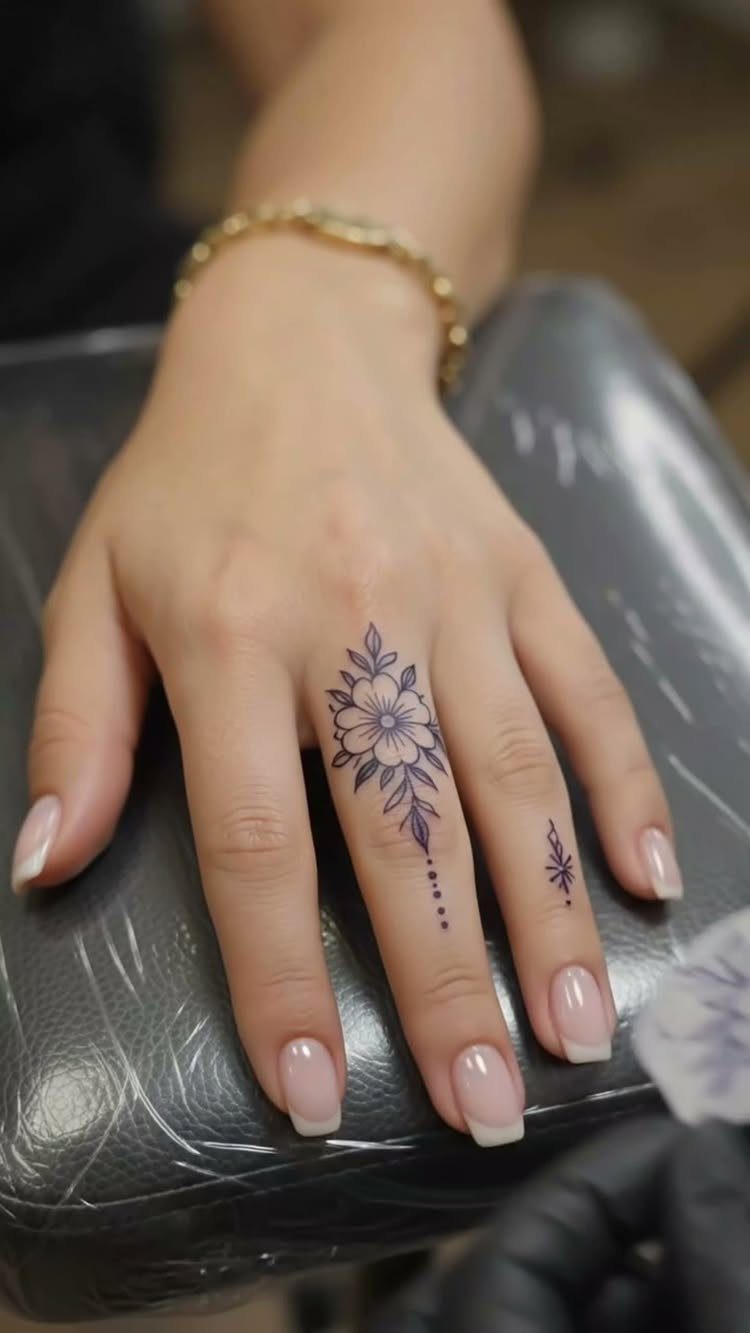
Finger tattoos look like permanent accessories, which is exactly the problem.
Your hands are always moving, always washing, always in sunlight. The skin here holds ink poorly to begin with, and fine lines blur fastest of all.
If you still want it, stay tiny. A single dot, a minimal star, one letter.
Anything complex becomes a smudge within a year or two. Your artist should steer you toward the simplest possible design.
I think of these as experimental, not committed. The fade is predictable, so plan for it or pick a spot with better odds.

★【18 Sheets 200+ PCS Small Finger Temporary Tattoos For Women Men Adults】--COKTAK Brand Mixed Style Black Small Temporary Tattoos For Men Women Adults Hot Fashion Variety Y2K Tiny Geometric Arrow Lotus Rose Flowers Leaf Leaves Sun Crescent Moon Butterfly Words Letters Finger Tattoo Stickers In One Package.

Design Experimentation:Our finger Tiny Tattoo tattoo practice pad with more than 80 stencil designs,it can nables artists to experiment with new designs, patterns, and shading techniques.

Elegant Minimalist Designs, Versatile for Every Occasion: Explore our collection of finely crafted finger tattoos featuring bohemian ornaments, delicate flower doodles, scattering stars, and geometric patterns. Each design exudes simplicity and sophistication, perfect for those who adore minimalist aesthetics. Whether it's a festival, wedding, or everyday chic, these tiny tattoos complement any outfit. Mix and match designs to create unique combinations that reflect your personality and mood. 50 Pcs (48 mm x 69 mm / 1.89 x 2.72 inches).
5. Wrist
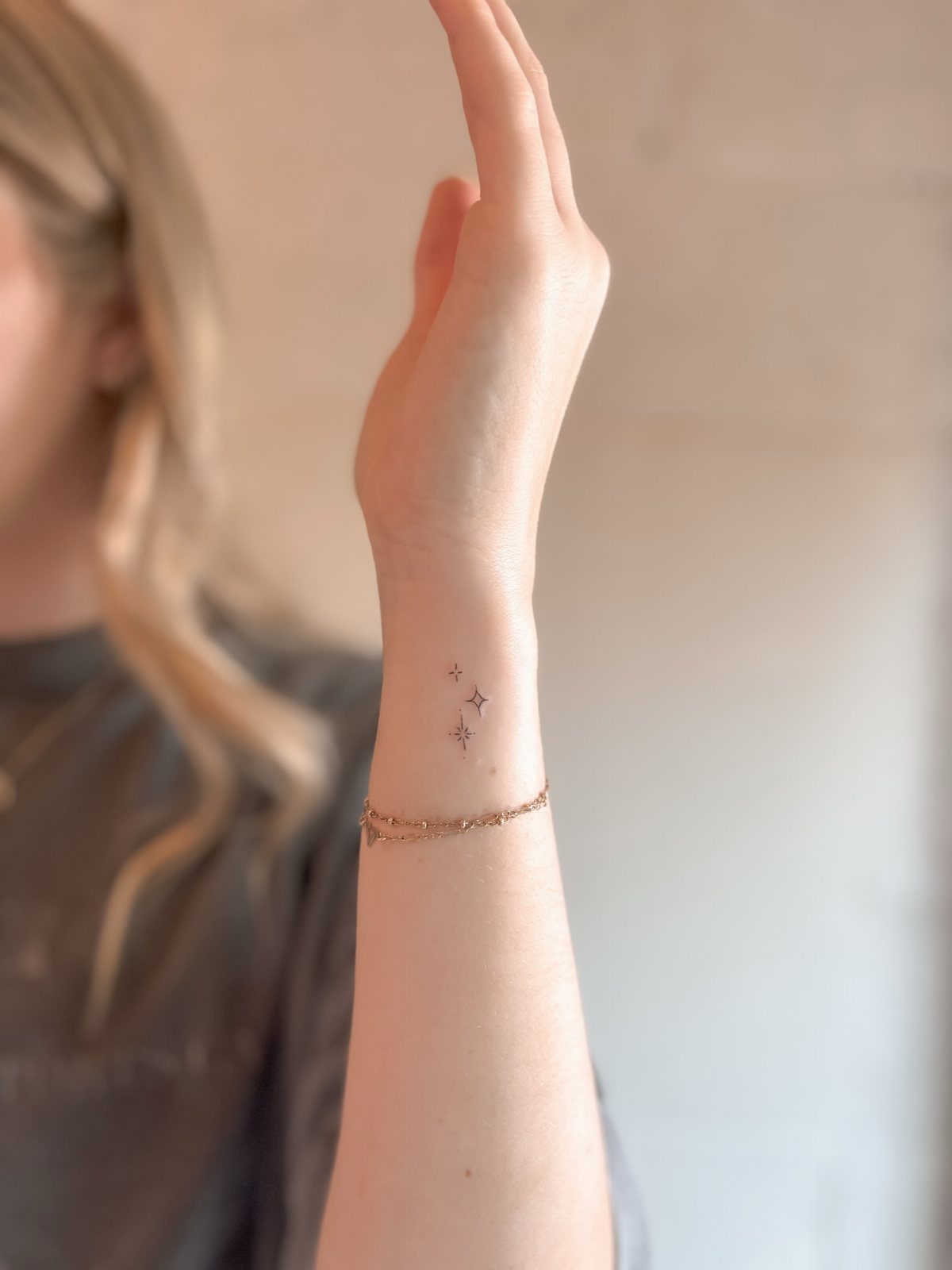
Wrist tattoos carry meaning you look at daily, which is why they stay popular despite the drawbacks. A small starburst, a date in thin script, a single initial: the visibility is the point.
Sun exposure and constant movement mean fading is real here.
The trade is conscious. You get the reminder, the motivation, the quiet symbol you see every time you type or reach.
Bracelet-style designs work, but keep them simple.
The wrist moves too much for anything busy to age cleanly. I would budget for a touch-up down the line and enjoy it until then.


【Delicate Nature Design】This set combines delicate hummingbirds with graceful lily flowers, creating a balanced composition inspired by nature and motion. The fine line details give the designs a light, airy feel, while the realistic style adds depth and softness. Perfect for arms and waist placement, these tattoos express beauty, freedom, and gentle strength.

MONSTERA BOTANICAL DESIGN: A cascading vine of Swiss cheese plant leaves features natural openings, curved stems, and fine vein details. The vertical fine-line composition gives this tropical foliage design a light, hand-drawn botanical look.
6. Behind the Ear
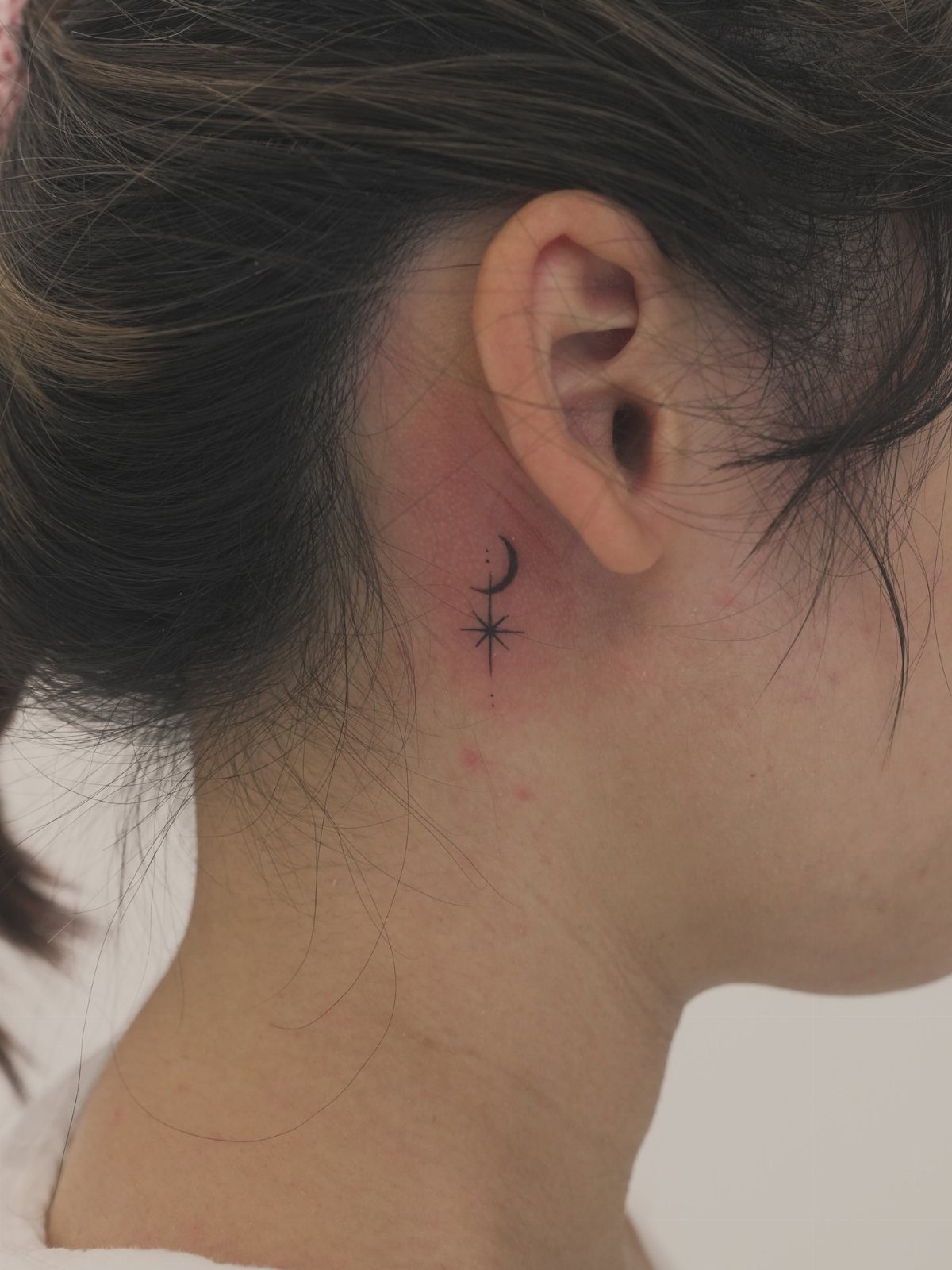
Behind the ear is where I would put something I wanted just for me. A crescent, a single initial, a tiny bloom: it hides in your hair and appears when you tuck it back.
Pain is moderate, though the spot is small enough that it passes fast. The real issue is maintenance.
Hair products, brushing, pillow friction: all of it hits this area. Longevity is generally good, but you will need to be careful.
This placement suits someone who wants discretion without full concealment.
It reads as personal, not performative. Pick a design that still works if it softens slightly over time.


DELICATE BLOWING DANDELION DESIGN Minimalist fine-line dandelion tattoo featuring floating seeds drifting in the wind. A soft, elegant botanical design with a subtle realistic look on skin.

⚡Awesome Realistic Black Fake Tattoos for Adult Women -- Super stylish design temporary tattoos, set includes variety of elements(line,flower,word..) that you can use for different locations on your backbone, leg, arms, chest, etc. Easy to share it with your family and friends.
7. Collarbone
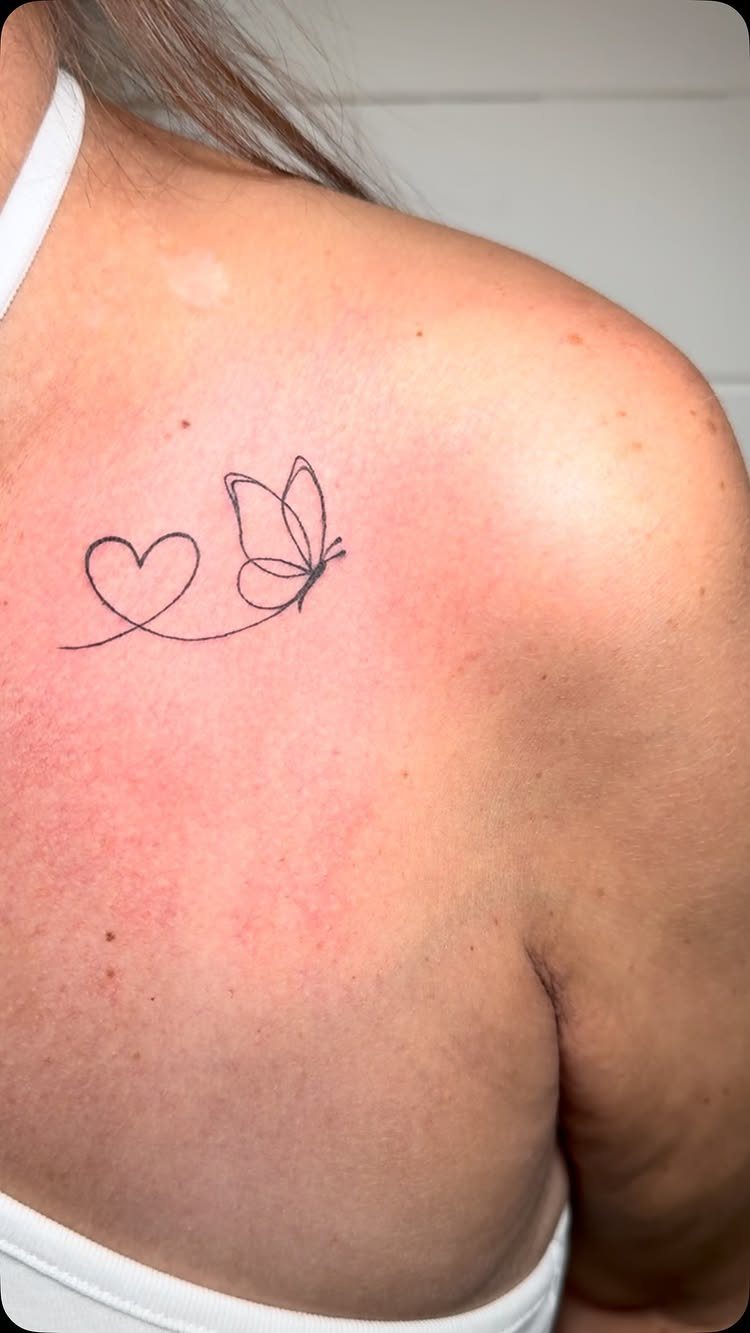
The collarbone turns fine line work into jewelry that moves with you. A small bloom, a word in thin script, or a minimal branch follows the bone’s curve and catches light with open necklines.
The trade is conscious: you get visibility and longevity, but you earn them.
I would keep the design linear and let the placement do the drama.
Anything too busy competes with the line of the bone itself. This spot suits someone who wants their tattoo seen, not flaunted.

Unisex and one size fits most.Unless you have really huge arms, these should fit comfortably because they are stretchable.

One Size Fits Most People, Measurement is approximately 15.4 inch long by 3.2 inch wide when not stretched. Unless you have really huge arms, these should fit comfortably because they are stretchable.

8. Neck Tattoos
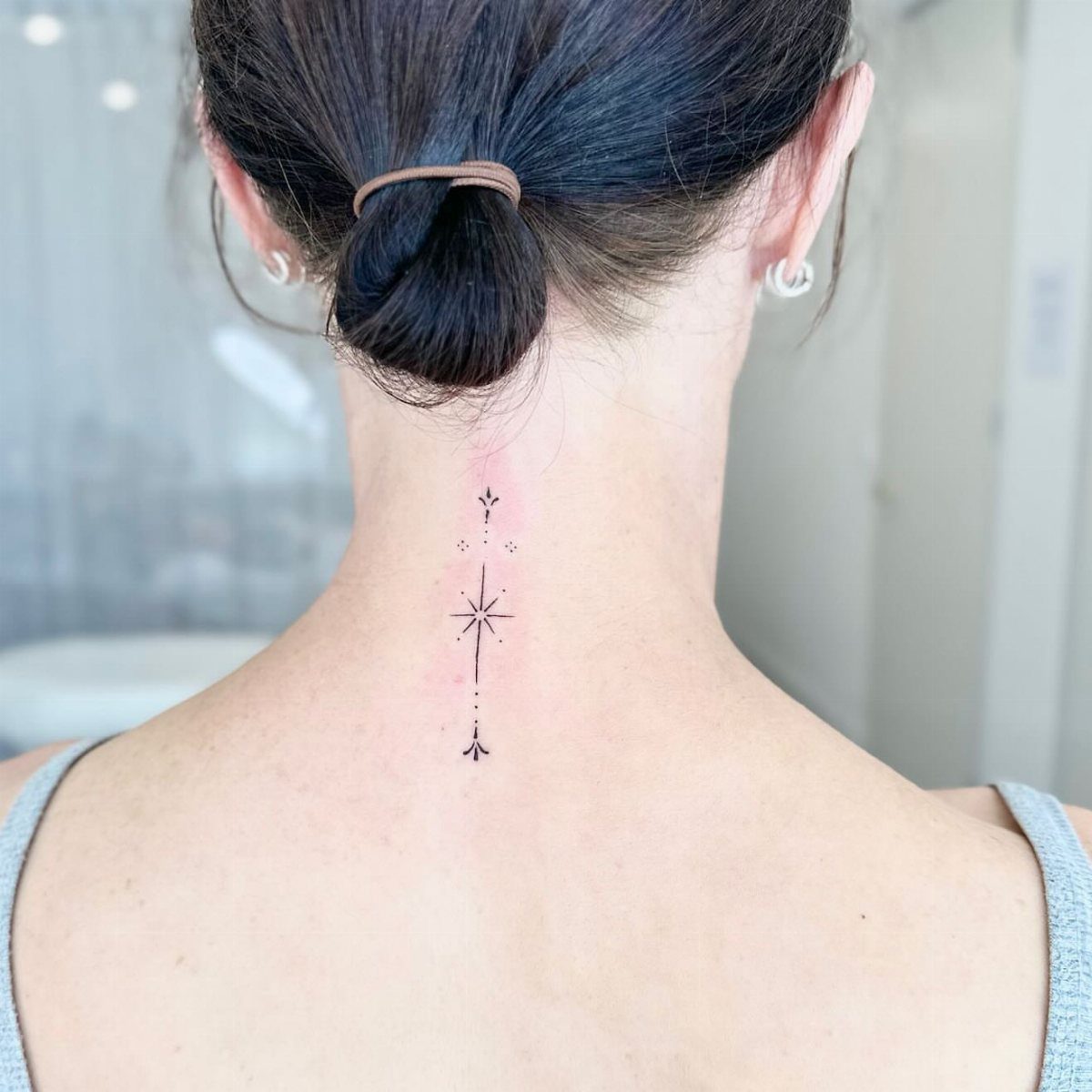
Neck tattoos live in the space between bold and hidden.
A starburst at the nape, a small symbol, a vertical line: hair down, it disappears. Hair up, it becomes the whole look.
The back of the neck works best for centered or symmetrical designs.
The skin stays relatively still, so fine lines age better than you’d expect. Pain sits moderate, though the artist will need to stretch skin at the back of the neck, which some find uncomfortable.
Front-neck placement is its own decision: fully visible, fully committed. I would start at the back and test how living with it feels.

⚡Realistic Black Floral Fake Tattoos for Women Girls -- Super stylish design temporary tattoos, set includes variety of elements(line,flower,leaves..) that you can use for different locations on your wrist, leg, arms, chest, etc. Easy to share it with your family and friends.
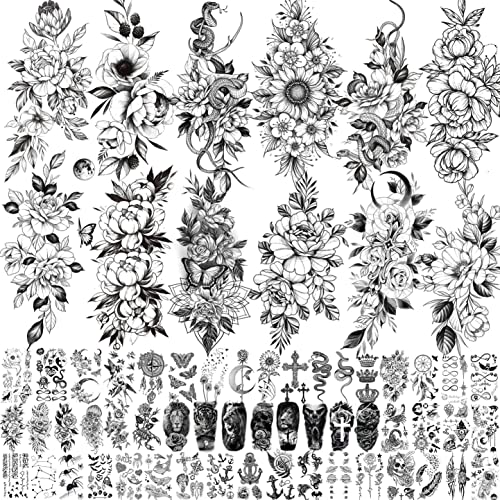
💕【61 Sheets】--VANTATY 3D Flowers Temporary Tattoos For Women Girls Kids Adults Body Art Stickers Look Real! 【click Our Store/brand Name To See More Fashion Designs】

ETHEREAL CELESTIAL FLORAL ART: Features a stunning vertical arrangement of delicate blossoms and organic leaf accents intertwined with flowing dotted trails and north star celestial elements. This elegant botanical layout is crafted using a digital hand-drawn fine line tattoo ensures crisp lines and flawless gradient shading to maintain absolute symmetry, soft petal curves, and sharp geometric star beams.
9. Foot
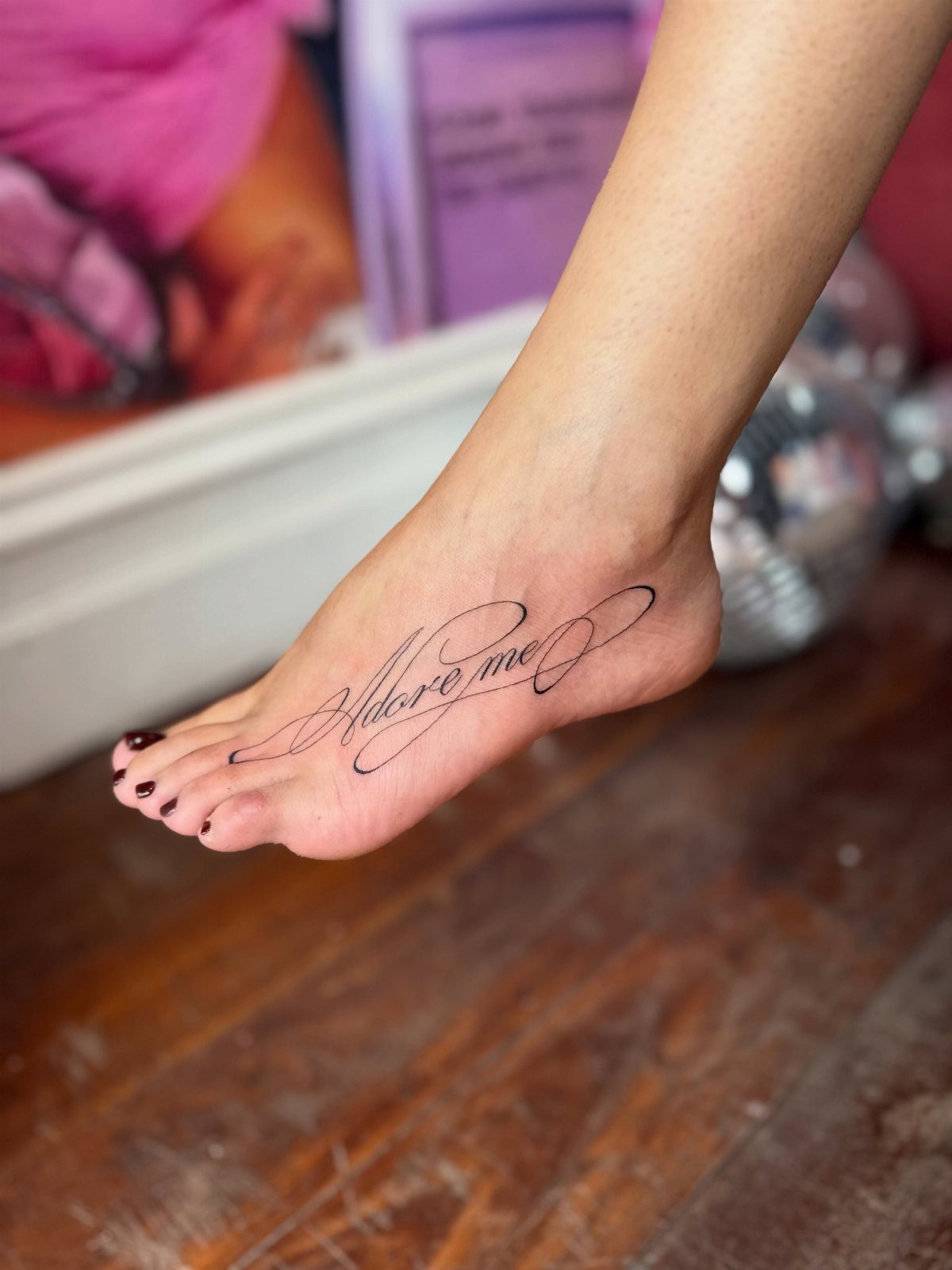
The foot offers a stage for small tattoos that you control entirely: sandals on, it shows; socks on, it hides. A line of script along the outer edge, a tiny symbol on the instep: the effect is deliberate and personal.
Friction and sunlight hit this spot hard. Shoes rub, skin here sheds fast, and fine lines fade quicker than almost anywhere else I have watched.
If you still want it, stay small and simple. A faded script remains readable longer than a faded illustration.


⚡Awesome Realistic Tiny Finger Temporary Tattoos for Adult -- Super stylish cute small design temporary tattoos, set includes variety tiny small tattoos (black heart star flower symbol butterfly crown cartoon skull key animals tattoos..) that you can use for different locations on your hands, fingers, ear, brest etc. Easy to share it with your family and friends.

Innovative Skin-Sync Technology: We don't just sit on the skin; we interact with it. By reacting organically with naturally occurring proteins in your skin's outermost layer (stratum corneum), our plant-based formula magically transforms from a transparent guide into a rich, ultra-realistic navy-black. It looks exactly like a healed, permanent tattoo—without the needles or depth.
10. Rib Tattoos
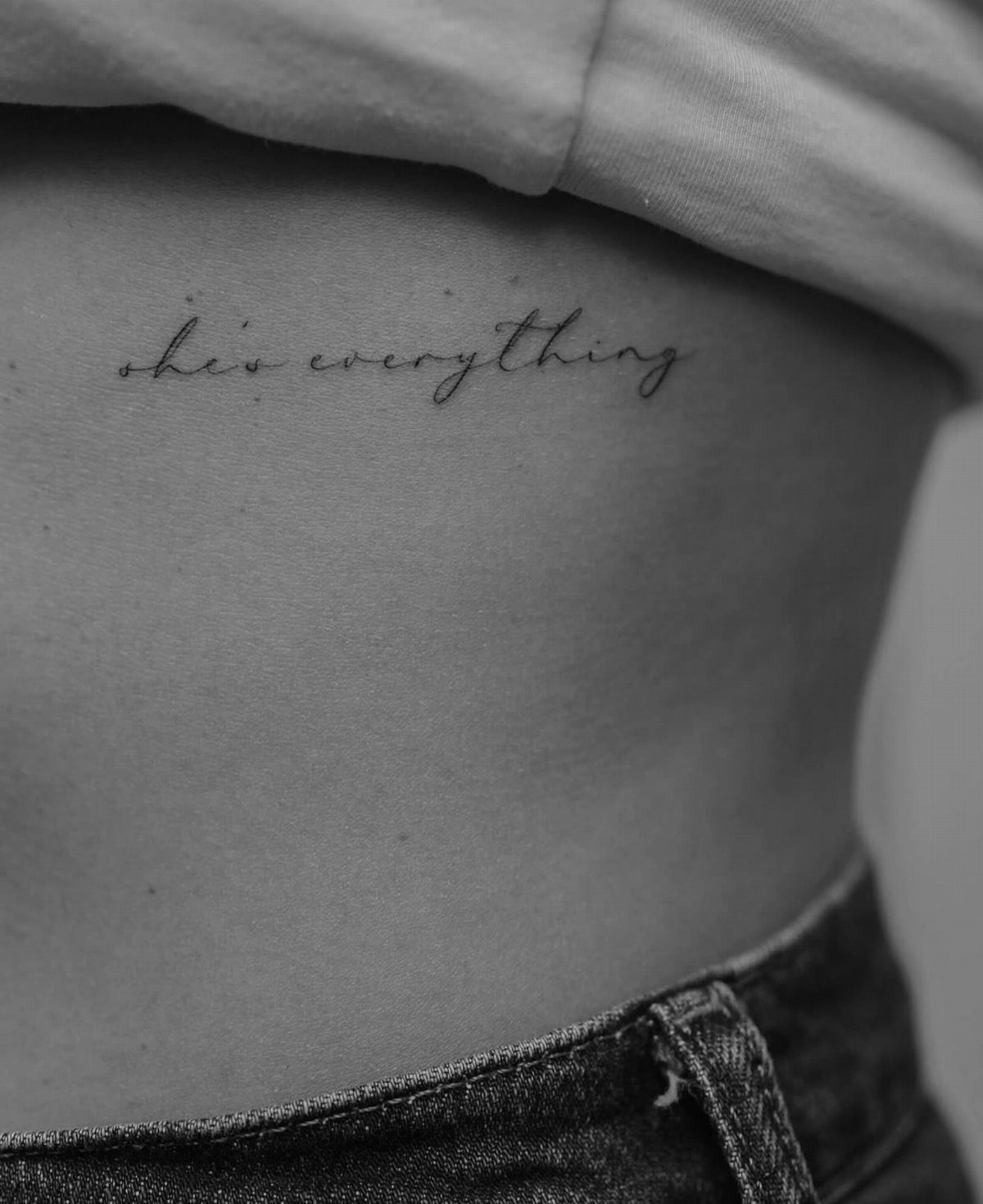
Rib tattoos carry weight because only you and those you choose see them.
Pain here is real.
Thin skin over bone means the needle lingers where there is little cushioning, and sessions run long for anything detailed. The reward is excellent longevity and near-total concealment.
I would reserve this spot for words or designs with genuine personal stakes, not aesthetic experiments.
The cost in comfort demands the meaning back it up. Loose clothing for weeks after; plan accordingly.

100+ Pre-Printed Designs – Features a wide variety of fine line and tiny tattoo stencils to enhance detailing skills.

Double-Sided Tattoo Practice Skin: Easy to clean and designed for fine line practice, each sheet features over 20 different pre-printed stencil patterns.

1.This temporary tattoo features a coiled serpent intertwined with peony and daisy blooms. Intricate linework and fine detailing create an elegant dark botanical tattoo aesthetic. 2.Made of premium transfer tattoo paper, waterproof and sweat-resistant. It remains vivid on skin for 3-7 days, holds up through daily showers without quick fading.
11. Calf
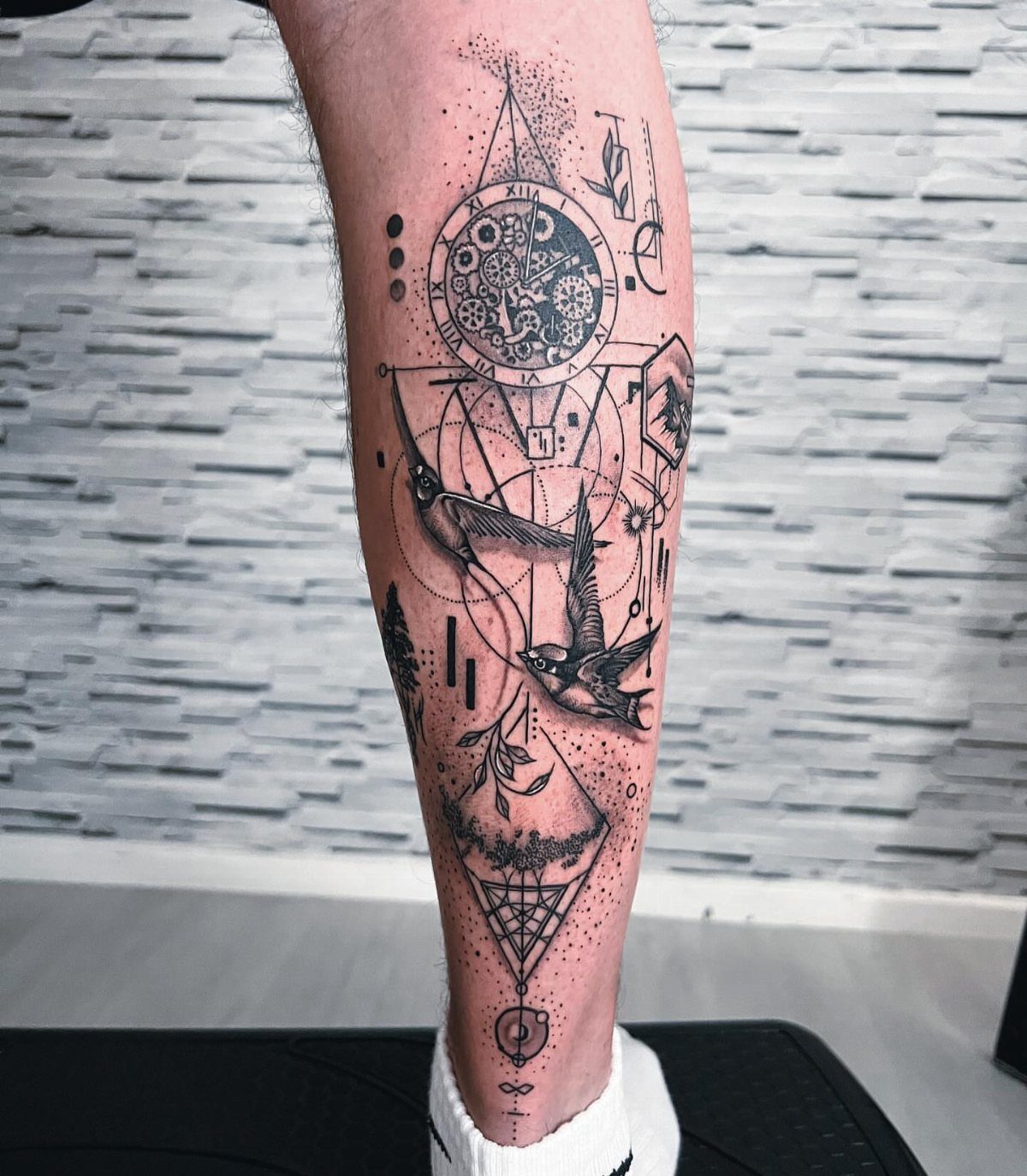
The calf gives you space and keeps the pain low. A larger piece with gears, birds, a clock face: the muscle cushions the work, and the flat back surface lets an artist build detail that would crowd elsewhere.
Visibility depends on your wardrobe. Shorts or skirts, it shows.
Pants, it waits. That moderation suits someone building a collection at their own pace.
I like that you see it yourself without mirrors, unlike thigh work on the back of the leg.
The skin holds well, aging is slow, and the canvas is generous. For a first tattoo with ambition behind it, this is where I would look first.
Factors for Choosing Placement
Start with visibility.
A tattoo you see every morning in the mirror hits different than one you forget exists until someone else mentions it. Pick based on whether you want that daily reminder or something you choose to reveal.
Your clothing habits matter more than people admit.
If you wear fitted collars daily, a neck piece stays hidden; if you live in shorts, thigh work shows constantly. Match the placement to your actual wardrobe, not the one you imagine having.
Pain is real but temporary.
What lasts is the compromise between how much discomfort you will accept and how much you care about the spot. First-timers often overthink pain and underthink placement; the location stays, the session ends.
Design shape should follow body shape, not fight it. Long vertical pieces suit the calf or rib; small centered ones suit the ankle or behind the ear.
Pain Levels by Placement
Pain maps to anatomy more than to myth.
Bone near surface means more direct vibration from the needle; ribs, collarbone, and ankle all share this. Muscle and fat absorb that vibration, which is why thigh and calf sit easier for most people.
Nerve density varies. Fingers and hands carry more nerve endings per inch than your back or outer arm.
The inner arm sits in between: sensitive, but not extreme. Behind the ear is small enough that the session ends before intensity builds.
Skin thickness changes the sensation too. Thicker skin dulls it slightly, though no spot is painless.
For a first tattoo, the outer arm or calf offers the gentlest introduction.
You get the experience without the worst of it, and the placement still holds quality work well. Save the rib or foot for when you know what to expect and still want it enough.
Aftercare for Fine Line Tattoos
Healing starts the moment you leave the chair.
Wash gently with unscented soap, pat dry, and apply only the ointment your artist names. Thick layers trap moisture and blur lines; thin and consistent beats heavy and occasional.
Sun is the enemy of fine line work. UV breaks down the small pigment particles faster than bold traditional ink.
SPF 30 or higher, reapplied, or the lines soften within months not years. This matters on visible spots like wrist or collarbone more than hidden ones, but all exposed skin needs covering.
Your artist’s specialty matters. Fine line work uses the smallest needle groupings, and not every shop builds skill there.
Ask to see healed photos of their fine line work, not just fresh ones. Fresh lines always look sharp; the real test is how they settle once healed.
Touch-ups are normal, not failure.
Budget for one within the first year, especially on high-friction or high-sun spots. A good artist factors this into their pricing or offers it outright.
Frequently Asked Questions
Where should I put my fine line tattoo?
Start with whether you want to see it daily or keep it hidden.
Inner arms and calves hold up because they see less sun and the skin there does not move as much with weight change. Ankle and foot spots fade fastest from friction and rubbing.
Check what you actually wear week to week, not what you plan to buy, and weigh how much a spot matters to you against how much sitting for it will sting.
Why don’t fine line tattoos age well?
Fine line work uses smaller needle groupings that deposit less pigment, so there is simply less ink to hold.
Sunlight chews through tiny pigment deposits faster than it does thick bold lines, and anywhere that rubs on fabric or skin against skin fades first.
Daily SPF 30 or higher and keeping it out of constant friction gives it the best shot at staying sharp.